English
 Español
 Deutsch
Industry News

(86-579)8507 2566
Welcome to Zhejiang Weiya Cosmetics Co., Ltd.





Welcome to Zhejiang Weiya Cosmetics Co., Ltd.
Aug 17, 2026
Anyone who's stood in front of a bathroom mirror after a brow tint, wondering why the result looks too dark or somehow disconnected from the rest of their face, knows how quickly a simple choice can go sideways. Choosing an eyebrow color can seem straightforward right up until the result looks too dark, too warm, or oddly disconnected from everything else going on with the face. For salons, beauty professionals, and everyday consumers, color selection isn't only about personal preference sitting on its own. Natural brow color, hair tone, skin appearance, desired styling effect, and the overall makeup look can all shape the decision together. Eyebrow Dye Cream gets used in brow styling to create a more coordinated appearance, so picking a suitable shade takes some genuine thought before the applicator even comes out.
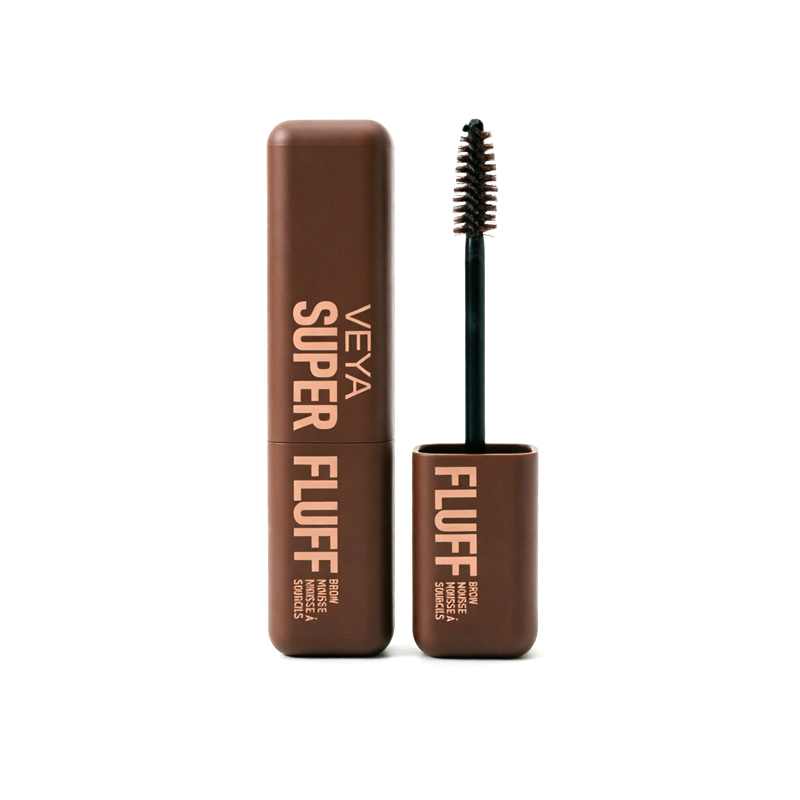
Color choice matters from a practical angle too. A shade that looks attractive in a product photo can appear quite different once it's actually applied to natural brow hair sitting under bathroom lighting. The final appearance also depends heavily on the condition and existing color of the brows themselves. Understanding these factors helps people approach brow coloring with more realistic expectations and a clearer styling goal walking in.
Natural eyebrow color provides the starting point for any coloring process, whether someone's doing it themselves at home or sitting in a salon chair. Dark brows, light brows, and brows with mixed tones can all respond differently to the exact same color choice. The existing hair genuinely influences how the selected shade appears once it's been applied.
For example, someone with naturally dark brows might want to soften the visual effect rather than simply making the brows darker still. A person with lighter brows might be looking for more definition instead, along with a stronger connection to their overall appearance.
The starting color can therefore help point toward the direction of the final look.
| Natural Brow Appearance | Possible Color Direction |
|---|---|
| Very dark brows | Softer or balanced tones |
| Medium brown brows | Similar or slightly adjusted tones |
| Light brows | More defined shades |
| Mixed or uneven color | A shade that creates visual consistency |
| Previously colored brows | Careful consideration of the existing tone |
This doesn't mean there's one correct shade sitting out there for each natural brow color. Personal style still matters a great deal in this decision. The purpose here is understanding how the existing color might interact with the selected product before committing to a choice.
Hair and eyebrow color don't need to match identically. In a lot of styling routines, the brows get chosen to complement the hair rather than copy it exactly stroke for stroke.
A warm hair color might work naturally with a warmer brow appearance, while cooler hair tones can create a different visual relationship entirely. People with highlighted or multi-tone hair may also prefer a neutral brow shade that connects different colors without competing against any of them.
The overall effect can get considered through several elements:
A small difference between hair and eyebrow color tends to create a natural appearance. A larger contrast produces a stronger styling effect instead. Neither approach is automatically right or wrong here — it really depends on what the wearer wants their brows to communicate.
Skin tone can genuinely influence how a brow color gets perceived once it's applied. The same shade might look softer against one complexion and more noticeable against another, even using the identical product.
This happens partly because color rarely gets viewed in isolation. Brows sit close to the eyes and forehead, so their appearance interacts constantly with surrounding skin and facial features.
When selecting a shade, people can consider whether they want:
The purpose isn't matching the brow directly to the skin tone. Instead, the goal is considering how the colors interact with each other once they're side by side.
For professional settings, this proves particularly useful because clients often describe the desired result using words like "natural," "soft," or "defined." These descriptions can mean genuinely different things to different people sitting in the same chair. Discussing the overall appearance before selecting a color can make the whole process a lot clearer for everyone involved.
Eyebrow color connects closely with personal styling choices overall.
Someone who prefers minimal makeup might want brows blending naturally with the rest of the face. Another person who enjoys a more defined look might prefer a stronger brow contrast instead. The same person may even choose different brow styles depending on the occasion — a quiet Tuesday at the office versus a night out.
A simple daytime appearance might call for a softer visual effect. A more structured makeup style might let the eyebrows become a stronger part of the overall look. This is exactly why color selection shouldn't get separated completely from styling considerations.
| Desired Style | General Color Consideration |
|---|---|
| Natural | Close relationship with existing brow color |
| Soft | Gentle contrast with surrounding features |
| Defined | Clearer distinction from the skin |
| Warm | Brow tone that supports a warm appearance |
| Neutral | Balanced color that does not dominate the face |
The selected shade should support the intended appearance, rather than becoming the only feature people notice walking past.
Color temperature is another factor shaping the final appearance quite a bit.
Warm shades tend to carry a softer golden, reddish, or brown visual character. Cool shades can appear more muted or gray-based by comparison. Neutral shades sit somewhere between these two visual directions.
The choice depends on the natural coloring of the wearer and the look they're going for. A warm shade might complement warm hair and makeup nicely. A cooler shade might work better when the overall styling leans toward a more muted appearance. Neutral colors can offer a middle ground when there's real uncertainty about which direction to choose.
That said, color names alone don't always tell the complete story here. Two shades described with similar words can still appear quite different once applied to different brow colors. Looking at the actual product appearance and considering the natural brow base provides a much more useful reference point than the label alone. This matters especially when the desired result is meant to be subtle.
Color and shape work together in ways that aren't always obvious upfront.
A narrow or lightly defined brow can appear quite different after coloring than a fuller brow with a strong natural outline. Darker color can make an existing shape appear more noticeable, while a softer shade might create a gentler visual effect instead.
For this reason, color deserves consideration alongside brow structure, not separately from it. A professional may look at:
A suitable color can't compensate for every shaping concern on its own. Likewise, a carefully shaped brow may still look unbalanced if the color doesn't suit the overall appearance. These two decisions stay closely connected throughout the process.
Brow hair varies quite a bit in condition and history from person to person.
Some people have naturally uniform brow color throughout. Others may have previously colored, bleached, trimmed, or otherwise treated their brows over the years. These differences can genuinely affect how a new color turns out once applied.
Hair condition also influences visual consistency across the brow. If some areas are lighter than others, the same application might not create an identical appearance across the entire brow. This is one reason professional assessment proves useful before applying a coloring product at home.
Users should also follow the product's instructions carefully, without skipping steps. If a product recommends a preliminary check for sensitivity or provides specific preparation instructions, those directions deserve following rather than ignoring. The appearance of the finished color matters, sure, but skin compatibility and responsible use matter just as much in this equation.
Color selection gets easier when the discussion starts with the client's desired appearance, rather than jumping straight to a product shade name off a shelf.
A client might say they want darker brows, but that doesn't always mean they actually want a very dark color. They may really want more definition while keeping the overall result soft. Another client might request a natural color but secretly want their brows to stand out more than they currently do.
Professionals can clarify the goal by discussing:
A simple consultation upfront can prevent a lot of misunderstandings down the line. It also gives the client a chance to explain what they specifically don't want. Avoiding an unwanted result can matter just as much as identifying a preferred shade in the first place.
Color selection should happen before application starts, not as an afterthought once the product's already on the brow.
Users can examine their natural brow color, consider the relationship with their hair and skin appearance, and decide whether they want a subtle or more defined effect going in. It's also sensible reading the product instructions carefully before starting, since brow coloring products are meant for specific uses and the surrounding eye area needs particular care.
Before use, consider:
| Consideration | Why It Matters |
|---|---|
| Natural brow color | Provides the starting visual tone |
| Hair color | Helps coordinate the overall appearance |
| Skin appearance | Influences how the shade is perceived |
| Makeup preference | Defines the desired styling effect |
| Brow shape | Affects perceived definition |
| Product instructions | Supports appropriate and responsible use |
Testing and preparation should follow the product's stated directions wherever applicable. If irritation or an unexpected reaction shows up, use should stop right away and appropriate professional advice should get sought out promptly.
Color selection ultimately comes down to a combination of appearance, context, and personal preference working together. Eyebrow Dye Cream can become part of a broader brow styling routine when the selected shade gets considered in relation to natural brow color, hair, skin appearance, brow shape, and the look the user actually wants to create for themselves.
Your email address will not be published. Required fields are marked *