English
 Español
 Deutsch
Industry News

(86-579)8507 2566
Welcome to Zhejiang Weiya Cosmetics Co., Ltd.





Welcome to Zhejiang Weiya Cosmetics Co., Ltd.
Nov 17, 2026
Smoky eye makeup usually brings to mind deep colors, soft shadow, and a defined look. The same style can read very differently from one face to the next, depending on eye shape and where the color goes. Some people like a gentle haze along the lash line. Others prefer a sharper look with darker shades gathered at the outer corners.
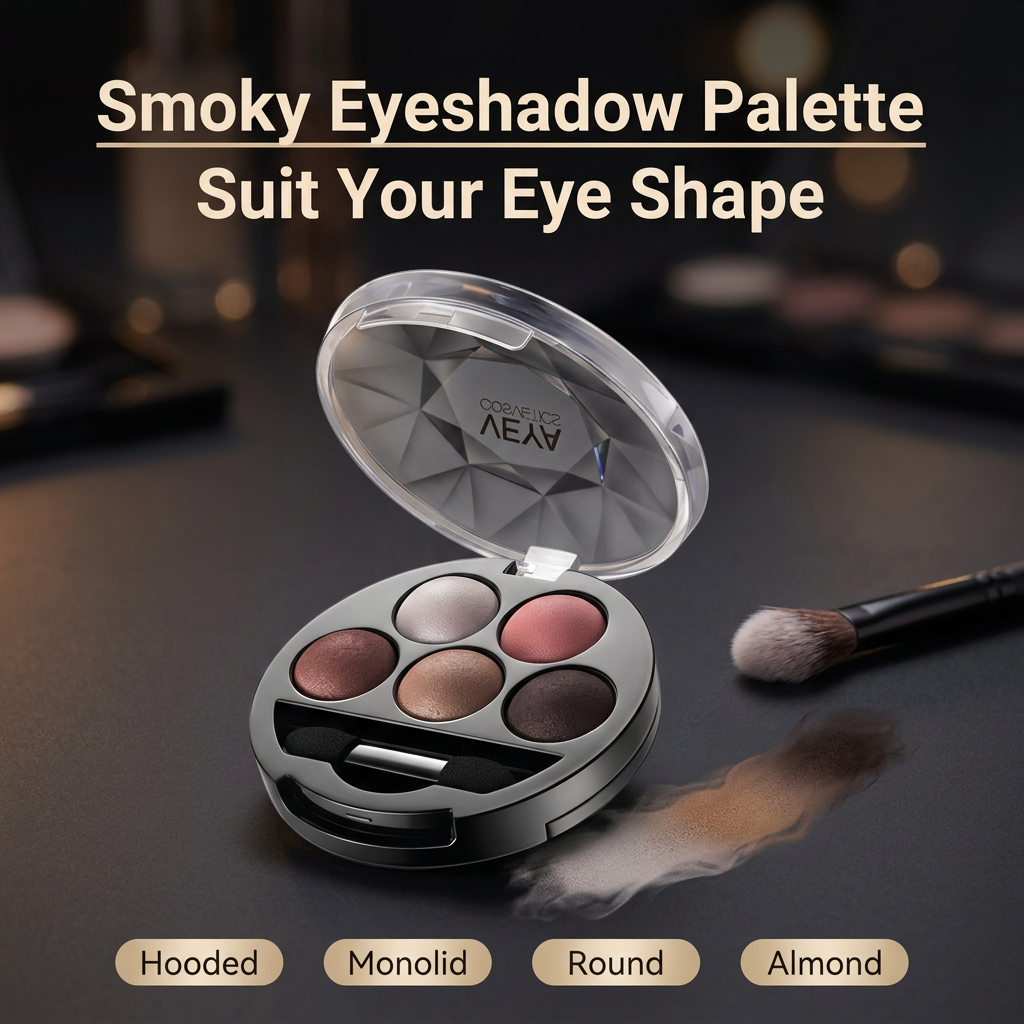
A Smoky Eyeshadow Palette can cover both preferences when its colors and finishes let users change the intensity and placement of the makeup. The point isn't to make every eye look alike. Color, blending, and contrast should work with each person's natural features.
Eye shape affects where shadow shows up, how much lid space there is to work with, and how the colors look with the eyes open. A technique that adds depth for one person may look different on someone with less visible lid or a more prominent crease. Knowing these differences makes it easier to adapt a smoky look instead of following one set method.
Eye shape changes how eyeshadow looks once it's on. The position of the lid, how much of the crease shows, and the angle of the outer corners all decide where color belongs.
A classic smoky look puts darker shades along the lash line and outer eye, with softer colors blended above. But visible lid space differs from person to person. The same amount of shadow in the same spot can give quite different results.
Some eyes have a clear crease. Others have a skin fold that partly covers the mobile lid. Some look round, and others have a naturally elongated outline.
None of this rules out smoky makeup. It just changes how the colors should be arranged.
| Eye Shape or Feature | Makeup Consideration |
|---|---|
| Hooded eyes | Keep some definition visible when the eyes are open |
| Monolids | Build depth through gradual color placement |
| Round eyes | Use outer-corner shading to add visual length |
| Almond-shaped eyes | Follow the natural eye outline when blending |
| Downturned outer corners | Angle the shadow toward the outer area |
| Deep-set eyes | Use lighter shades with care to keep the eyes looking bright |
Treat the table as a general guide, not a set of rules. Eye shapes overlap, and individual features vary. Someone could have almond-shaped eyes with a partly covered crease, for example. Personal taste should shape the final look.
Hooded eyes have a fold of skin that covers part or all of the mobile lid when the eyes are open. Shadow placed close to the lash line can end up hidden.
For a smoky look on hooded eyes, placement matters. Instead of packing dark shadow onto the lid, you can build definition slightly above the natural fold.
Try applying makeup while looking straight ahead into a mirror. You'll see which parts of the shadow stay visible with the eyes open, and you can shift the placement to suit your shape.
A practical approach looks like this:
How much dark color you use depends on the look you want. A small amount gives gentle definition, and extra layers build a stronger smoky effect.
A palette with coordinated light, medium, and deep shades makes this easier. You don't need to cover the whole lid in dark color. The smoky effect comes from the gradual shift between shades.
Monolid eyes have little or no visible crease between the mobile lid and the area above it. That gives eyeshadow a different surface to work on.
With no clear crease to follow, color can focus on the visible lid and the area around the lash line. A gradient creates dimension without needing a traditional crease.
Apply a medium shade across the lid, then add a deeper color near the outer area. The darker shade can also be blended along the lash line for definition. A lighter tone in one spot adds contrast.
Blending direction changes the result. Horizontal blending gives a more elongated effect, while a softer vertical transition adds visible depth.
Monolids also suit a subtler smoky style. Rather than layering several deep shades, you can pick one neutral color and build a gentle shadow around the outer eye.
Check how the color looks with the eyes open and relaxed. A design that looks balanced with the eyes closed can change once you blink and move through the day. Looking at the result from a natural angle helps you adjust the placement.
Round and almond-shaped eyes have different natural outlines, and that influences how smoky makeup is applied.
Round eyes often look open, with visible curvature around the iris. To create a longer look, place deeper shadow toward the outer corners and blend it outward in a controlled direction.
This links the upper and outer parts of the eye visually. It doesn't call for heavy color over the whole lid.
Almond-shaped eyes have a naturally elongated outline. Smoky makeup can follow that direction, with shades blended along the lash line and toward the outer corner.
| Eye Shape | Suggested Color Placement | Possible Visual Effect |
|---|---|---|
| Round eyes | Concentrate deeper shades near the outer corners | Creates a more elongated impression |
| Almond-shaped eyes | Follow the natural eye outline | Emphasizes the existing shape |
| Round eyes | Keep inner areas relatively light | Maintains an open appearance |
| Almond-shaped eyes | Blend colors along the outer edge | Adds definition without changing the natural outline |
These approaches are flexible. Someone with round eyes may like a rounded smoky style, and someone with almond-shaped eyes may prefer a more diffused finish. The look you want matters as much as your eye shape.
Downturned eyes have outer corners that sit a little lower than the inner corners. Where you place makeup changes the direction in which the eye seems to extend.
For a lifted smoky effect, concentrate deeper shades around the outer lash line and blend them gently upward. Aim for a soft direction. A sharp line can look cut off from the rest of the makeup.
A medium transition shade connects the deeper color to the surrounding skin. Keeping the lower lash line balanced also stops the outer area from looking heavy.
Deep-set eyes look more recessed, and the brow bone often creates visible depth around the socket. Dark colors spread heavily across the lid can make the eye area look more shadowed.
A softer smoky look uses medium shades for definition and keeps deeper colors for select areas. Lighter finishes on parts of the lid add brightness where you want it.
A few things to keep in mind:
Neither eye shape needs a set makeup rule. Adjusting placement helps the smoky effect work with your natural features instead of against them.
The colors inside a palette decide how easily you can adapt a smoky look. A palette of deep shades alone gives a dramatic effect but leaves little room for softer styles.
A more versatile palette offers several levels of depth. Light shades soften transitions, medium colors build dimension, and deep tones give definition.
How the colors relate to each other matters too. Shades that blend naturally make a gradual smoky effect easier. Colors with clear differences suit a look with stronger contrast.
Finish plays a part as well.
Matte shades give a soft look with no visible shine. They're often used around the crease, outer corners, and lash line to create depth.
Shimmer shades reflect light and draw attention to selected areas. A small amount at the center of the lid adds contrast to a darker smoky look.
Satin shades sit between matte and shimmer. They give a subtle glow without a strongly reflective finish.
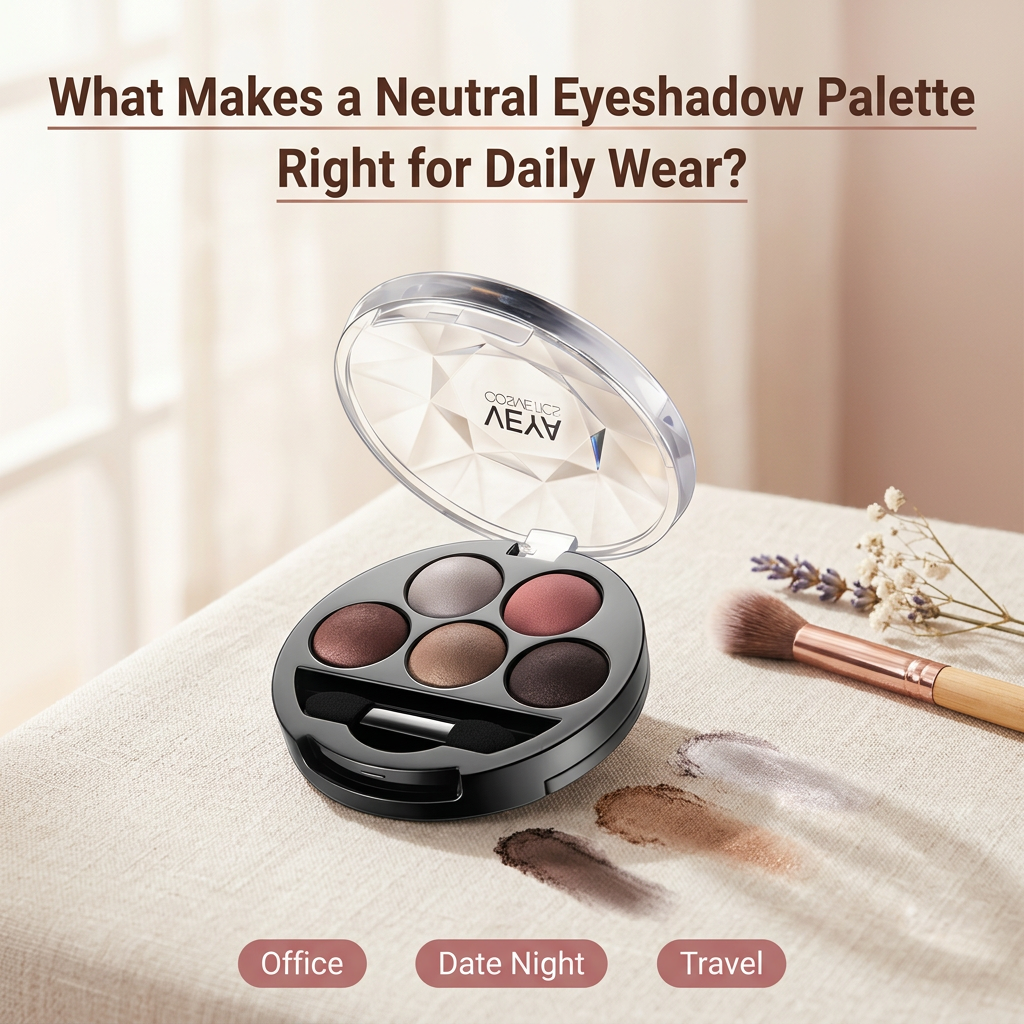
A coordinated Industrial 5 Pan Eyeshadow Palette can offer a compact set of shades for people who like a smaller color arrangement. How useful it is depends on how the colors relate to one another and whether they suit the makeup styles you want. A limited set can still produce varied effects when it includes different color depths and finishes.
| Palette Color or Finish | Potential Use in Smoky Makeup |
|---|---|
| Light neutral shade | Softens transitions and adds brightness |
| Medium brown or taupe | Creates gradual definition |
| Deep brown or charcoal | Adds depth around selected areas |
| Matte finish | Provides controlled shading |
| Shimmer or satin finish | Introduces light reflection |
A Compact Eyeshadow Palette also suits people who want something smaller for daily storage or travel. Its value lies in the color combinations, not the size. When the shades work together, you can change your look without carrying a large collection.
Smoky makeup can seem hard when you try to build a deep, blended effect in one go. Beginners often apply too much dark color, blend past the intended area, or end up with uneven edges.
Working in stages makes it easier. Begin with a medium shade to set the general shape, then add deeper color.
A simple routine looks like this:
The amount of product counts. Adding color in thin layers gives you more control than putting on a heavy layer at once.
Brush choice changes the result too. A small brush places deeper shades along the lash line, while a soft blending brush diffuses color over a wider area. Clean tools cut down on unwanted color transfer and are easier to handle.
You don't have to go dramatic each time. A soft smoky effect works well with neutral colors and a light hand.
A palette should fit your makeup style, eye shape, and daily routine. Attractive packaging or a big color range doesn't guarantee the shades will be useful.
A few practical details are worth checking before you buy.
Look for enough variation to create soft transitions and deeper definition. A mix of light, medium, and dark shades supports a range of smoky styles.
The shades should work together and suit your complexion and taste. Neutral colors pair easily with different outfits, while richer tones give a bolder appearance.
Smooth application makes it easier to build color gradually. Product descriptions and samples, where available, give a sense of the texture.
A compact layout helps if you carry makeup during the day or travel often. The packaging should also protect the contents during normal storage and handling.
Not every eyeshadow product is made for other parts of the face. Follow the stated instructions and keep products away from areas they aren't designed for.
Eye shape can guide placement, but it shouldn't limit your color choices. Someone with hooded eyes may enjoy shimmer, and someone with monolids may prefer a deep smoky style. The final choice should match the look you want.
When choosing a Smoky Eyeshadow Palette, a helpful question is whether its shades and finishes give enough flexibility for your routine. A coordinated selection can support a soft daytime look, a more defined evening look, or something in between.
A palette becomes more adaptable once you understand how placement changes the result. The same shades can create different effects through gradual layering, blending direction, and the balance of light and dark tones. Instead of applying one standard smoky technique to every eye shape, you can adjust placement to suit your natural features and pre
Your email address will not be published. Required fields are marked *