English
 Español
 Deutsch
Industry News
Home / Blogs / Industry News / Can Makeup Setting Spray Really Work With Different Skin And Weather Conditions

Welcome to Zhejiang Weiya Cosmetics Co., Ltd.





May 15, 2026
Makeup is often built in layers that only work properly when they sit well together on the skin. A Makeup Setting Spray usually comes in at the end of this process, but it is not just a finishing touch. It interacts with whatever is already on the face, and that interaction can shift depending on texture, timing, and even how the base makeup was applied.
Because of that, the same routine can look slightly different from one use to another, even when the products stay the same.
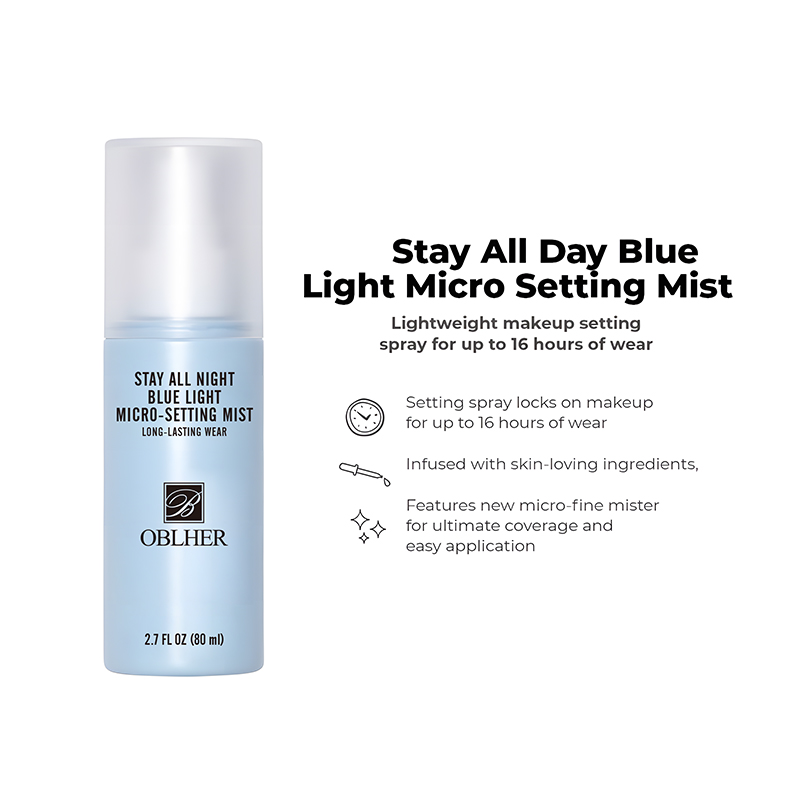
When foundation and setting spray do not blend well in performance, the issue often comes from how their base structures interact on the skin surface.
Key interaction patterns
Common visible results
Simple breakdown
| Layer type combination | Possible behavior on skin |
|---|---|
| Liquid foundation + light mist spray | Mild adjustment of surface finish |
| Powder over liquid + spray | Texture may shift if powder is not fully settled |
| Heavy layering of multiple products | Higher chance of uneven surface behavior |
In many cases, Makeup Setting Spray does not directly cause separation, but it can highlight existing layering imbalance.
Silicone based foundations tend to create a smooth, continuous film on the skin. This film is designed to reduce surface friction and improve glide. When a water influenced setting spray is applied on top, the two systems do not fully merge at a chemical level, but instead form separate layers that sit closely together.
This layered behavior can lead to subtle changes in how light is reflected across the face. In some cases, the surface may appear more even after the spray settles, especially if the application is light and controlled. However, heavier application can introduce minor shifts in texture perception, as the water droplets interact with the already formed silicone layer.
The interaction with Makeup Setting Spray here is less about mixing and more about how two different surface systems stabilize next to each other.
Application order changes how layers build on the skin. This affects how flexible or stable the final surface becomes.
| Application order | Surface behavior | Makeup feel |
|---|---|---|
| Spray before powder | Layer blending is more gradual | Softer finish |
| Spray after powder | Surface becomes more fixed | More set appearance |
Not every foundation reacts the same way once a spray is used.
Cushion formulas already contain a soft, moist structure, so they tend to adjust quickly when mist is applied. They can look smoother, but also shift a little if too much product is layered.
Liquid foundations sit somewhere in the middle. They usually respond in a steady way, blending reasonably well with both powder and spray as long as each layer has time to settle.
Cream foundations feel heavier on the skin. They hold their shape more firmly, so the spray often stays on top rather than blending in. This can slightly change how light reflects off the surface without changing the base too much.
Makeup Setting Spray behaves more like a surface modifier than a mixing agent, and the final result depends heavily on what it is placed on top of.
In air with higher moisture, makeup layers tend to behave differently because the skin surface and surrounding air are constantly exchanging moisture. A Makeup Setting Spray in this setting does not only sit on top of makeup, it also has to work against a softer and more active surface condition.
When humidity is present, powders can lose some of their grip and start to feel slightly mobile. Liquid layers may also take longer to fully settle. This is why makeup that looked stable indoors can feel less controlled after moving into a more humid space.
The spray itself does not stop this process, but it can slightly help unify the surface so that changes are less visually uneven. The result often depends on how thin or heavy the original layers are, rather than the spray alone.
Dry air changes how both skin and makeup layers behave because it gradually reduces surface moisture. This affects how a Makeup Setting Spray film sits and evolves during wear.
Sweat and oil affect makeup in different ways, so they also require different responses from a setting spray.
Sweat comes from moisture on the skin surface, which can disturb layers that are not fully stabilized. Oil, on the other hand, slowly spreads across the skin and can change how light reflects off the makeup.
| Factor | Sweat influence | Oil influence |
|---|---|---|
| Source | Moisture from skin activity | Natural skin surface production |
| Effect on makeup | Can disturb or loosen layers | Can change surface shine and blending |
| Spray response | Helps hold surface structure together | Helps reduce visible surface shift |
| Timing sensitivity | Immediate and sudden change | Gradual change over time |
A Makeup Setting Spray may respond differently to each situation because sweat affects structure, while oil affects appearance more than structure.
The way a spray is applied can change how evenly it sits on the makeup surface. Distance and amount both influence how the mist lands and spreads.
If the spray is applied too close, the droplets can land heavily in one area, which may disturb parts of the makeup underneath. If it is too far away, the mist may not fully reach the surface evenly, leading to patchy coverage.
The amount used also matters. A light layer usually blends into the makeup surface more smoothly, while repeated or heavy application can create buildup that changes texture over time.
Makeup Setting Spray works more consistently when it forms a thin and even layer rather than a concentrated one, since the surface stays more balanced and less likely to shift during wear.
Your email address will not be published. Required fields are marked *