English
 Español
 Deutsch
Industry News

(86-579)8507 2566
Welcome to Zhejiang Weiya Cosmetics Co., Ltd.





Welcome to Zhejiang Weiya Cosmetics Co., Ltd.
Nov 19, 2026
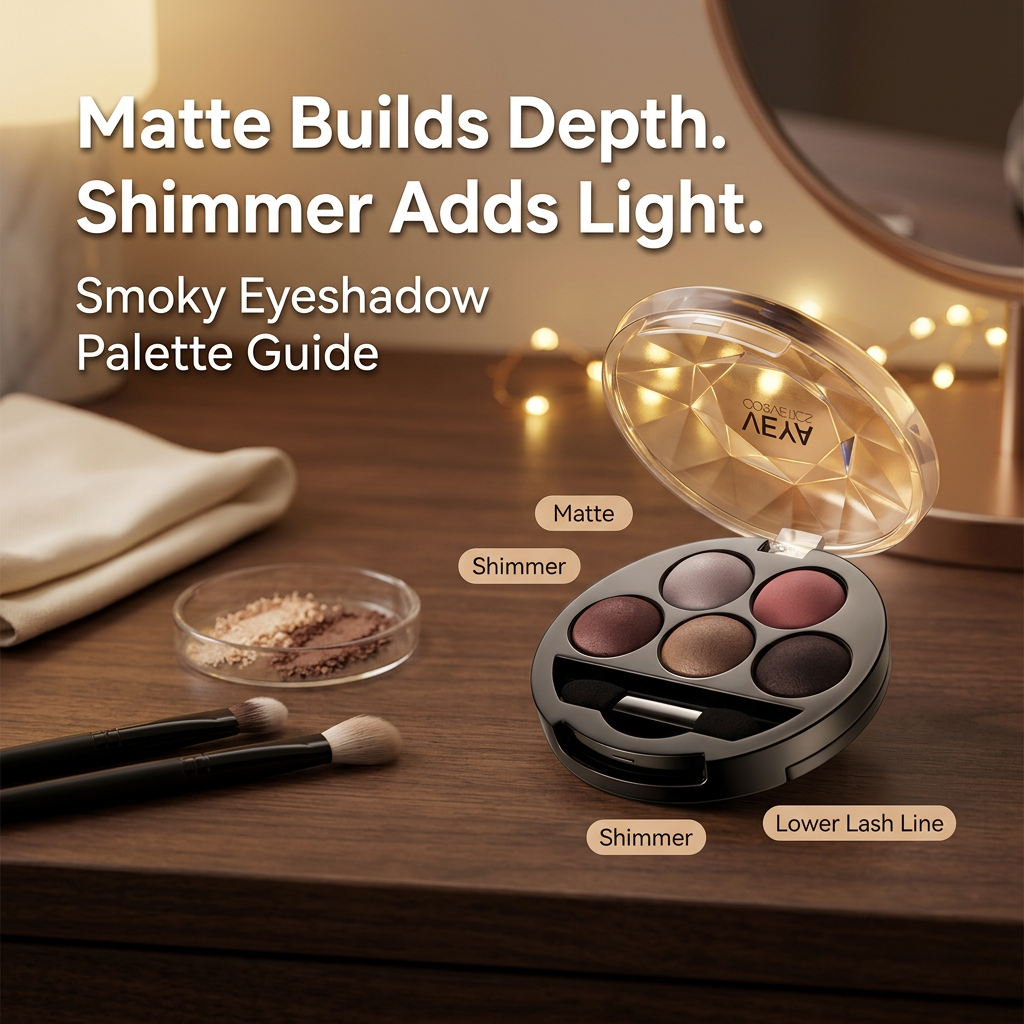
Dark eyeshadow alone doesn't make a smoky eye. The look comes from how colors and finishes sit together. Matte shades add depth and shape the eye area, while shimmer shades catch light and draw attention to chosen spots. Used with a light hand, the two can give you something soft, defined, or fully dramatic.
A Smoky Eyeshadow Palette lets you mix these effects through different shades and textures. The upper lid gets plenty of attention, but the lower lash line matters too. A little shadow under the eye ties the upper and lower makeup together, adds definition, and shifts the overall expression.
The tricky part is knowing where each finish goes and how much to use. Too much shimmer can make the eye area look busy, and too much dark shadow can weigh down the lower lash line. Once you understand what each shade is for, it gets easier to build a smoky look that suits your eye shape and style.
Matte and shimmer eyeshadows do different jobs. Matte shades have a soft, flat surface that doesn't reflect light, so the areas they cover look deeper and more defined. Shimmer shades bounce light back and pull the eye toward wherever they're placed.
That contrast makes them good partners in smoky makeup. Matte colors set the basic shape, and shimmer adds brightness. Rather than fighting each other, the two finishes create a gradual shift across the lid.
Say you blend a medium matte brown across the lid as a soft base. A deeper matte shade near the outer corner adds definition. Then a small touch of shimmer at the center of the lid brings in light, so the makeup doesn't look flat.
| Eyeshadow Finish | Main Visual Effect | Common Use in Smoky Makeup |
|---|---|---|
| Light matte | Softens transitions | Base and blending areas |
| Medium matte | Adds gentle depth | Crease and outer eyelid |
| Deep matte | Creates stronger definition | Outer corner and lash line |
| Light shimmer | Reflects light | Selected areas of the eyelid |
| Deeper shimmer | Adds reflective color | Accent details and evening looks |
How the finishes relate to each other counts for more than how many shades you use. A few well-matched colors can look layered when you place them with care.
You can also shift the balance to suit the occasion. A daytime smoky look might be mostly matte with a faint shimmer accent. An evening look can carry more visible reflective shades, with matte shadow still holding the definition.
Matte shades give many smoky looks their structure. They create the transitions between light and dark colors without adding shine.
Start with a light matte shade across the lid as a base. It preps the area and makes later blending easier. A medium shade around the crease, or wherever suits you, then adds gentle depth.
Deeper matte colors usually go on more selectively. The outer corner and the area near the upper lash line are common spots, since they add definition without covering the whole lid in dark color.
Placement should follow your natural eye shape. If you have a visible crease, a medium shade can be blended along it. With hooded eyes, the color may need to sit a bit higher so some definition still shows when the eyes are open. Monolids can use gradual shading across the visible lid instead of a traditional crease.
A simple application routine looks like this:
Build the color up bit by bit. That keeps you in control and helps you avoid harsh patches.
Matte shades also help tame shimmer. If a reflective shade looks too strong, a little matte color around its edges softens the change.
Shimmer adds light and interest. Its reflective surface makes chosen areas stand out against the matte shadow around them.
The center of the lid is a common spot. A light shimmer there makes a bright point between darker sections. Some people put it near the inner corner instead, which can make the eyes look more open.
The right choice depends on the look you want and your eye shape. If you have limited visible lid space, a small amount near the center or inner corner may work better. With more visible lid, a wider application can look good.
Shimmer can also soften a smoky look. A reflective shade in champagne, bronze, or rose makes a gentle contrast with brown or charcoal matte colors.
It doesn't have to cover the whole lid, though. Placing it selectively usually makes the makeup easier to balance.
A few placement options:
The finish should match the style you're after. Fine shimmer gives a soft glow, while larger reflective particles create a bolder, more decorative effect.
Follow the product's application guidance, particularly around the eyes. Some shimmer formulas aren't made for use near the waterline or on the lower lash line.
A balanced smoky look has contrast, but no single area takes over. Matte shades build depth and shimmer brings in light. Where you place each one decides whether the result looks soft, defined, or dramatic.
One easy combination: matte colors around the outer lid and crease, with shimmer at the center. That gives a visual move from depth to brightness.
The colors should also suit each other. Warm brown mattes often sit well with bronze or champagne shimmer. Cool grey mattes can pair with silver or muted taupe finishes. Treat these as suggestions, not fixed rules.
| Desired Look | Matte Shade Use | Shimmer Shade Use |
|---|---|---|
| Soft daytime smoky look | Use light and medium matte colors | Add a subtle accent |
| Defined everyday look | Add depth near the outer corner | Brighten the center of the lid |
| Evening smoky look | Use deeper matte shades for structure | Add more noticeable reflective color |
| Soft romantic look | Choose muted rose or brown tones | Use a gentle satin or shimmer finish |
| Cool-toned smoky look | Blend grey or taupe matte shades | Add a soft silver or cool shimmer |
Blending matters a great deal when you combine the two finishes. A sharp edge between matte and shimmer makes the makeup look split in two. A clean brush softens the join without wiping out the reflective effect.
Intensity is easy to adjust through the amount of product. A little shimmer looks restrained, and extra layers make it more visible. One palette can therefore cover several styles without a whole new set of colors.
The lower lash line links the upper lid makeup to the natural outline of the eyes. Leave it completely bare and a dark upper smoky look can seem disconnected from the rest of the eye.
A little eyeshadow under the lower lashes creates continuity. It adds depth too, and the whole look feels finished.
The lower line doesn't need the same intensity as the upper lid. A soft layer of medium matte shadow is often enough for everyday makeup. For a stronger effect, add deeper color toward the outer section.
Direction and width matter. A narrow line gives subtle definition, and a more diffused application gives a softer smoky finish.
The lower lash line can also change how the eye shape reads. Extending color slightly outward can create a longer impression. Keeping it closer to the outer half adds definition without darkening the whole lower area.
Common approaches include:
The aim is to complement the upper makeup, not copy it. The lower lash line can carry a lighter version of the same colors.
A well-arranged Smoky Eyeshadow Palette supplies the shades for different levels of lower lash line definition. Light, medium, and deep colors let you adjust the look instead of leaning on one dark shade.
A medium matte color is a useful place to start. Apply it close to the lower lashes and blend gently for a soft shadow. A deeper shade near the outer corner then links the lower and upper eye makeup.
Shimmer can come in here too, but keep its placement controlled. A small reflective detail near the inner corner can brighten the eye area. A subtle shimmer beneath the lower lashes adds interest when the formula is suitable for that use.
Your brush choice affects the result. A small, soft brush places color near the lash line, and a clean blending brush diffuses the edge. Too much product at once can leave a dark line that's hard to soften.
A practical method is to build the lower lash line in layers:
Use a medium shade to set the general shape. Keep it close to the lashes and follow the natural curve of the eye.
Apply a deeper matte shade to the outer section. Connect it with the upper outer corner for a continuous smoky effect.
Soften the color with a clean brush. Don't push the shadow too far downward, or a dark patch can form.
If you like, add a suitable light shade near the inner corner. It contrasts with the darker outer section.
Check both eyes from a natural viewing distance. The lower shadow should support the upper makeup without overpowering it.
| Lower Lash Line Technique | Visual Effect |
|---|---|
| Light matte shadow | Soft definition |
| Medium matte shadow | More visible depth |
| Deep outer-corner shading | Stronger outer emphasis |
| Light shimmer near the inner corner | Added brightness |
| Blended matte and shimmer | A more layered appearance |
The lower lash line is a small area, so product control counts. Adding a little color at a time makes it easier to adjust shape and intensity.
Eye shape affects how much shadow belongs under the lashes and where it should gather. A technique that looks balanced on one person can look too heavy or too wide on another.
On round eyes, shading along the outer lower lash line can create a more elongated effect. Blend the color toward the outer corner and connect it with the upper shadow.
Almond-shaped eyes often have a naturally elongated outline. A soft line of medium shadow under the lower lashes follows that shape and adds definition. The color doesn't need to reach far past the outer corner.
Hooded eyes may look better with a lighter lower lash line when the upper lid already has deeper shades. That keeps things balanced and stops the eye area from looking too dark.
Monolid eyes can use a softly blended lower shadow to complement the color across the upper lid. Adjust the depth to the look you want.
Downturned eyes may benefit from deeper color closer to the outer lash line, blended slightly upward toward the upper corner. That gives a lifted direction without a sharp line.
| Eye Shape | Lower Lash Line Approach |
|---|---|
| Round | Focus definition toward the outer section |
| Almond | Follow the natural eye outline |
| Hooded | Keep lower shadow soft when upper makeup is deep |
| Monolid | Blend color gently to connect upper and lower areas |
| Downturned | Direct outer shading slightly upward |
None of this is strict. Eye features overlap, and your own preferences should guide the final application.
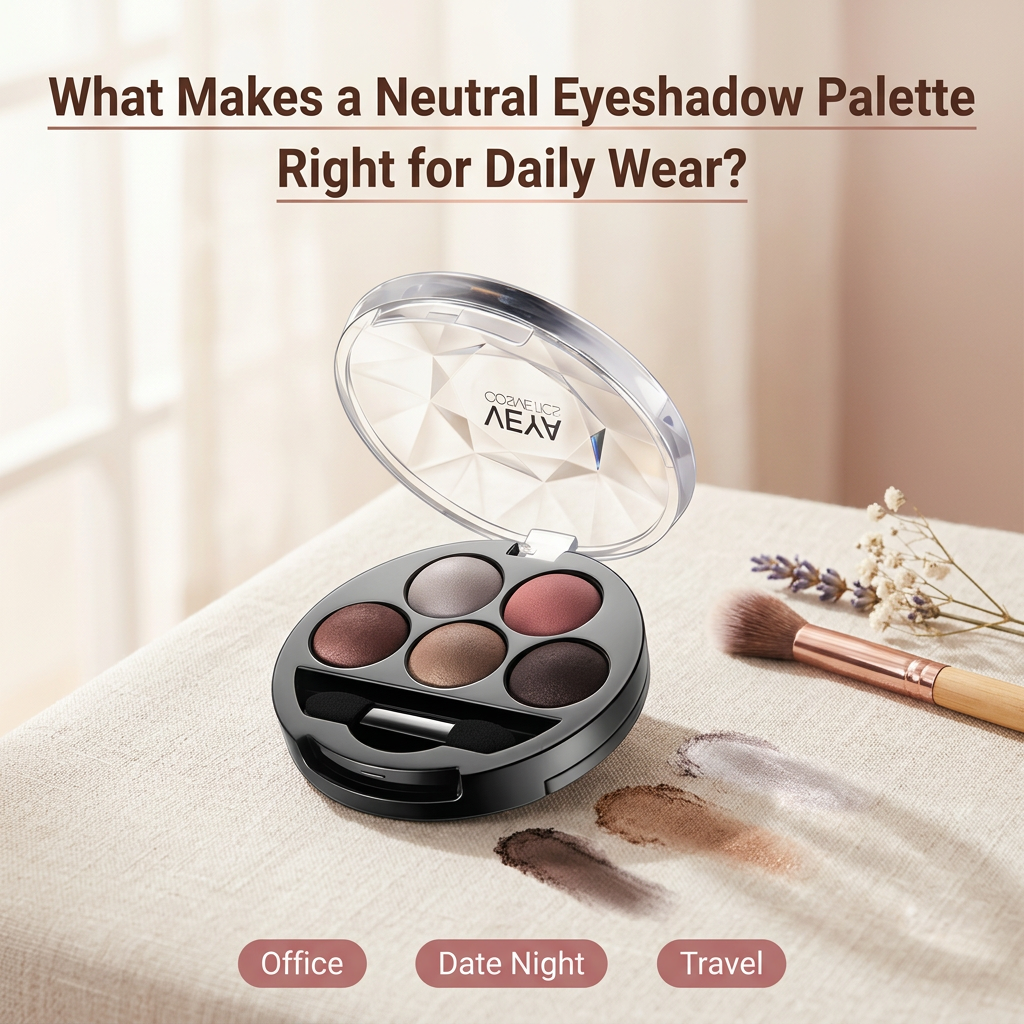
A palette meant for smoky makeup should offer shades for depth, transition, and brightness. When the colors are arranged well, one product can handle both upper lid shading and selected lower lash line details.
A 5 Pan Eyeshadow Palette may appeal to people who like a smaller selection of coordinated colors. How useful it is depends on whether the shades vary enough for the looks you want. A mix of light, medium, and deep colors gives flexibility even in a limited range.
A Compact Eyeshadow Palette suits people who want something easy to store or carry. A practical layout helps you find the colors you need, and secure packaging protects the contents during normal handling.
Before you choose a palette, think about these points:
The colors should work together and support gradual transitions. A mix of neutral and deeper shades helps you create both soft and defined smoky styles.
Matte and shimmer textures give different visual effects. If you like understated makeup, look for more matte options. If you enjoy reflective details, find a suitable shimmer shade.
Smooth-blending shades make it easier to control the lower lash line and soften transitions between colors.
Check the product's intended use and follow its instructions. Some formulas aren't suitable for the waterline or areas close to the eye.
A palette should match how often you wear smoky makeup and how much time you have. A smaller color selection suits simple routines, while a broader range suits people who like to experiment.
How smoky makeup turns out depends on application habits and product care as well as color choice. Brushes can carry leftover pigment from one shade to the next, which changes the final color and makes blending harder to control.
Cleaning suitable brushes regularly cuts down on color transfer and product buildup. Using separate brushes for darker shades and lighter shimmer colors also makes application easier.
Take extra care with the lower lash line, since it sits close to the eye. Avoid putting products inside the eye unless they're specifically made for that. If a product causes irritation, remove it and stop using it.
A few simple habits help keep application under control:
Matte and shimmer shades produce different effects, yet they work toward the same goal. Matte colors shape the smoky look through depth, and shimmer adds light and contrast. When the lower lash line gets suitable color placement too, the upper and lower makeup read as one connected look. You can shift the balance of these finishes to fit your eye shape, preferred intensity, and the occasion.
Your email address will not be published. Required fields are marked *