English
 Español
 Deutsch
Industry News

(86-579)8507 2566
Welcome to Zhejiang Weiya Cosmetics Co., Ltd.





Welcome to Zhejiang Weiya Cosmetics Co., Ltd.
Aug 21, 2026
Anyone who's stood at the bathroom sink, running water over a face still coated in cleansing oil and wondering why it suddenly turned milky white, has witnessed emulsification without necessarily knowing the word for it. Cleansing oil is often judged by what happens after the face has been rinsed. Does the skin feel comfortable? Does it feel coated with residue? Does it feel dry or tight? These details shape how people view a cleansing product a lot more than the marketing copy on the bottle ever could.
One part of that experience comes down to emulsification. When cleansing oil meets water, its texture can change dramatically. The oil may become lighter, turn milky, and rinse away a lot more easily than it went on, and this process affects how the product moves across the skin and how the skin feels once everything's been washed off.
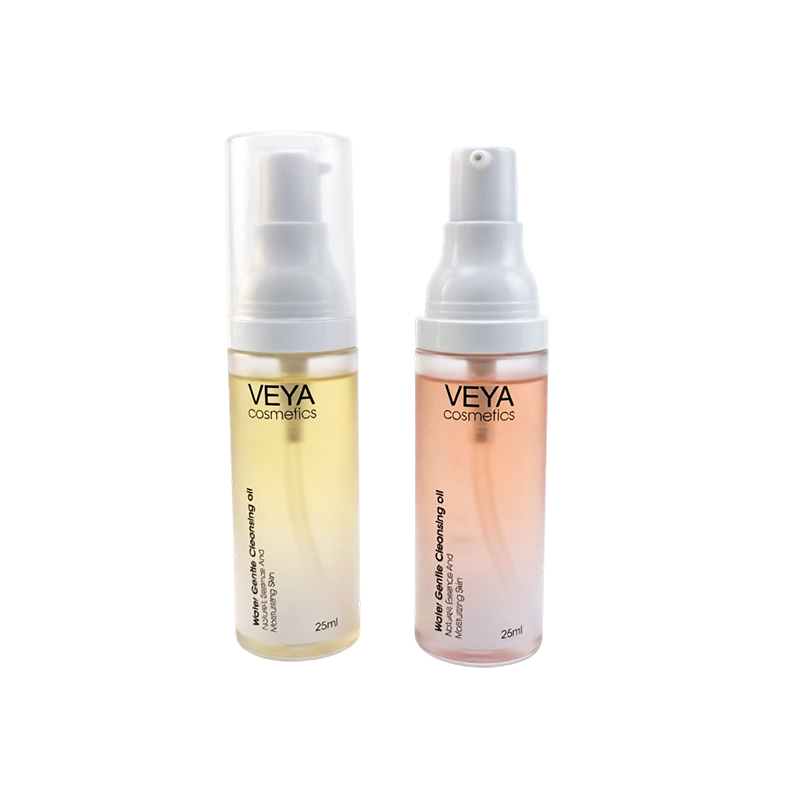
For product developers, emulsification is more than a visual change happening in the sink. It's closely connected with the overall cleansing experience from start to finish, touching everything from the first massage to the towel afterward.
A Mild Touch Cleansing Oil may be designed around a soft, comfortable application from the first touch. A Fine Cleansing Oil may focus on a lighter spreading sensation across the face. A Universal Cleansing Oil may be developed to suit a wider range of everyday cleansing preferences across different users with different habits.
Understanding the relationship between emulsification and skin feel helps explain why two cleansing oils can appear similar sitting side by side on a shelf but feel genuinely different during and after use.
Cleansing oil begins as an oil-based product, plain and simple. It can spread across the skin and help loosen makeup, sunscreen, sebum, and other oil-soluble substances that plain water alone won't touch, which is exactly why people reach for it in the first place.
Water behaves differently from oil, obviously, and that difference is exactly what makes cleansing oil work the way it does. When water gets introduced during rinsing, the cleansing oil can change its appearance and texture right before the user's eyes, becoming cloudy or milky as the process unfolds. It can also feel a lot less oily as the user continues massaging the face, which most people notice without thinking much about why.
The experience can be described simply.
| Stage | User Experience |
|---|---|
| Oil applied | Smooth and slippery |
| Product massaged | Makeup and surface residue begin to loosen |
| Water added | Texture becomes lighter |
| Continued rinsing | Product becomes easier to remove |
| After rinsing | Skin feel depends on the overall formulation |
The transition doesn't happen only for visual reasons, satisfying as that milky swirl might be to watch in the sink. It can influence how easily the product actually leaves the skin behind, and if the product changes smoothly when water gets added, the rinsing experience may feel a lot more natural, almost effortless.
A cleansing oil can remove unwanted substances from the skin while also leaving a genuinely noticeable sensory impression behind. Some users enjoy a soft, conditioned feeling after cleansing, while others prefer something cleaner and lighter, almost squeaky to the touch. Emulsification can influence this difference quite a bit, shaping which side of that line a product lands on.
A product that emulsifies readily may feel a lot less oily as water gets introduced, and this can make the transition from massage to rinsing feel simple, almost automatic. If the formulation isn't well matched to the intended cleansing experience, users may notice a genuinely different sensation instead. The product may seem difficult to rinse, leave a film behind, or require repeated washing just to feel clean, which tends to sour someone on a product fast.
Skin feel is therefore connected with the complete formulation, rather than one ingredient working alone. Several factors can influence the experience:
This is why emulsification should get considered as part of product design, rather than treated as an isolated feature bolted onto a formula after the fact.
A Mild Touch Cleansing Oil is generally associated with a gentle and comfortable cleansing concept from the start. The texture matters from the moment the product touches the skin, before massage even begins, setting the tone for everything that follows.
A smooth oil can spread across the face without requiring excessive rubbing or tugging at the skin. During massage, it may help loosen surface makeup and other residue while maintaining a soft feel throughout the whole process. Emulsification then changes the experience entirely once water enters the picture, turning that initial oily glide into something noticeably different.
As water gets added, the oil can become lighter and easier to rinse, which helps create a gradual transition from the initial oily texture to a cleaner after-rinse sensation, rather than an abrupt switch that feels jarring. The balance here matters quite a bit for how the product gets judged afterward. If the cleansing experience feels too heavy, users may feel like residue remains behind on the skin. If it feels too stripping, the skin may feel uncomfortable once everything's washed off, tight in a way nobody enjoys.
A Mild Touch Cleansing Oil can therefore get designed around a middle ground, where cleansing and comfort get considered together rather than traded off against each other. The final skin feel gets shaped by the entire formula working in sequence, with emulsification supporting the transition while the rest of the formulation influences what remains after rinsing.
The phrase Fine Cleansing Oil can describe a product concept centered on a refined and lightweight application experience. Texture is especially noticeable during facial cleansing, right from the first swipe across the cheek, and this first impression tends to color how the rest of the routine gets perceived.
A lighter-feeling oil may spread quickly across the skin, and this can make the massage stage feel smooth, rather than heavy or dragging against the fingertips. When water gets introduced, emulsification can further change the texture underfoot, so to speak, shifting the whole feel of the product in real time.
A Fine Cleansing Oil that transitions smoothly may give users a sense that the product is becoming lighter as they rinse, almost disappearing off the skin. The experience can be viewed as a sequence, one stage feeding naturally into the next:
Each stage contributes to the user's overall impression, one building on the last, and a product that feels pleasant during application but leaves unwanted residue behind may not meet the same expectations as one providing a smooth transition throughout the entire routine.
A Universal Cleansing Oil is often positioned around versatility, meant to work across a household rather than one specific routine or user. Different consumers have genuinely different cleansing habits shaped by their daily lives. Some wear makeup regularly and need real dissolving power to get through a full face. Others mainly need to remove sunscreen and daily surface residue after a walk outside, nothing more intensive than that.
Skin also varies quite a bit from person to person sharing the same bathroom shelf. Some people prefer a richer cleansing texture that feels indulgent at the end of a long day. Others want something light and quick to rinse before bed, without much ceremony involved. For a versatile cleansing oil, emulsification can help create a transition that works across these different routines without feeling wrong for any of them.
The product may need to perform comfortably during several stages at once.
| Consumer Preference | Relevant Experience |
|---|---|
| Quick cleansing | Easy spreading and rinsing |
| Makeup removal | Smooth massage |
| Daily sunscreen removal | Comfortable cleansing |
| Light after-feel | Easy emulsification and rinsing |
| Softer after-feel | Balanced formulation |
This doesn't mean one product will feel identical to everyone using it, since personal preference remains genuinely important here and probably always will. The purpose of a Universal Cleansing Oil is providing a practical cleansing experience that can fit different daily routines, without making the process complicated for anyone reaching for the bottle.
Rinsing is where emulsification becomes particularly noticeable, the moment everyone actually pays attention to what's happening on their face. Before water gets added, cleansing oil has an oily texture, slick against the fingers and clinging to the skin. Once water enters the process, the product can begin changing right away, shifting from that initial oiliness into something else entirely.
The mixture may become cloudy and feel a lot less slippery than before, and this can make it easier for water to carry the cleansing mixture away from the skin entirely. The speed and character of this change can affect how the user perceives the product overall. A smooth transition can make rinsing feel straightforward, almost quick and satisfying. A slower transition may leave the user feeling that more effort is needed just to get clean, which can color the whole impression of the product.
The amount of water used can also influence the experience quite a bit during this stage. Too little water may not fully change the texture, leaving things half-emulsified and awkward against the skin. Adding water gradually while massaging can help the product move through its intended cleansing process the way it was designed to, which is one reason instructions for cleansing oils often emphasize adding water before continuing to massage and rinse, rather than splashing it all on at once.
A heavy after-feel doesn't necessarily mean the product failed to cleanse properly. It may come instead from the relationship between the oil phase, emulsification behavior, and the rest of the formulation working together in ways that aren't always obvious from the ingredient list.
If the cleansing mixture doesn't rinse away as easily as expected, some users may notice a soft film left on the skin afterward. Different people may interpret this sensation quite differently from each other, and that's part of what makes formulation tricky. One person may describe it as moisturized or comfortable, almost like a light layer of lotion left behind. Another may describe the exact same feeling as greasy or unwashed, wanting to reach for a second cleanse.
Skin condition can also shape perception here in a meaningful way. Dry-feeling skin may make a richer finish feel comfortable and welcome after a cold day. Skin that naturally runs oily may create a genuinely different impression of the same product, tipping toward discomfort rather than comfort. The goal of formulation design is therefore not simply removing every trace of oil at all costs, but considering the intended skin feel and how the product behaves throughout the complete cleansing routine, not just at the finish line.
Cleansing oil formulation involves several elements working together, not one hero ingredient doing all the work on its own. Emulsification is important, but it isn't the only factor at play in how a product ultimately feels. Oil texture affects how the product spreads across skin at the start. Other formulation components can influence how the product reacts to water and how it feels once everything's been rinsed away.
A useful way to view the design process is as a series of connected experiences, each one shaping the next.
Application. The product should spread comfortably across the skin without dragging or pulling at the surface.
Massage. The texture should let users work the product across areas where makeup or other residue sits stubbornly, without needing excessive pressure.
Emulsification. Water should change the product into a form supporting the rinsing stage that follows, without resistance.
Rinsing. The cleansing mixture should be practical to remove without a fight, leaving the skin clear.
After-feel. The skin should have the intended sensory finish, whatever that was designed to be for that particular product.
These stages can't really get separated from each other in practice, since changing the texture of the oil may affect application, changing emulsification behavior may affect rinsing, and adjusting the overall formula may change the after-feel entirely. Product development is therefore a process of balancing several experiences at once, rather than optimizing one single moment in isolation from the rest.
Consumers often describe cleansing products through simple sensory words, nothing technical about it at all. They may say a product feels light, soft, smooth, rich, clean, fresh, or comfortable, using whatever word comes to mind in the moment at the sink. These descriptions provide genuinely useful clues about how the formulation actually gets experienced day to day, far more than a lab report would.
For developers of Mild Touch Cleansing Oil, Fine Cleansing Oil, or Universal Cleansing Oil, the challenge is connecting these everyday expectations with actual product behavior worked out in formulation. A cleansing oil may look attractive sitting in its container on a shelf, but the real evaluation happens during use, in someone's actual bathroom at the end of a long day.
Users notice how quickly it spreads. They notice whether it feels comfortable during massage. They notice how it changes when water gets added, and how easily it rinses away afterward. The after-feel can become the final sensory impression of the entire routine, the thing people remember reaching for tomorrow morning without even thinking about it. This makes emulsification a genuinely important part of consumer experience, connecting the initial oil texture with the final rinsing stage and shaping whether the product feels light, rich, clean, or comfortable once the towel comes out.
A practical formulation approach can begin with the intended user experience, rather than the chemistry alone driving every decision. Rather than asking only whether a cleansing oil can emulsify, developers can consider how the entire process should feel from first touch to final rinse, mapping out each stage deliberately.
Important questions include:
These questions can help connect technical formulation work with everyday consumer expectations sitting at the sink each morning and night. For a Mild Touch Cleansing Oil, comfort may sit at the center of the design. For a Fine Cleansing Oil, a lighter application and rinsing experience may receive more attention throughout development. For a Universal Cleansing Oil, flexibility across different cleansing habits may matter more than any single sensory trait standing alone.
Emulsification sits between these stages, quietly doing its work from the moment water meets the oil through the massage and rinse that follow. The resulting change can influence texture, cleansing convenience, and the sensation that remains on the skin once the routine's finished, which is exactly why it deserves careful attention when developing a cleansing oil meant to feel natural throughout the entire cleansing routine, from the first touch to the towel.
Your email address will not be published. Required fields are marked *
Oct 05,2026