English
 Español
 Deutsch
Industry News

(86-579)8507 2566
Welcome to Zhejiang Weiya Cosmetics Co., Ltd.





Welcome to Zhejiang Weiya Cosmetics Co., Ltd.
Jun 05, 2026
The foundation goes on, the concealer blends, and somehow the face still looks flat — a little washed out, a little patchy, lacking the warmth that makes skin look healthy and three-dimensional. Uneven skin tone is one of the most common complaints in skincare and beauty, but the frustration it creates goes beyond pigmentation. When skin lacks color depth and tonal variation, the face loses the visual dimension that natural light and shadow create. That absence is what makes a complexion look dull rather than luminous, and it is the specific problem that Tanning Face Oil Drops are formulated to address — not by covering the issue, but by adding the warmth and subtle color variation that restore the impression of natural, sun-kissed depth.
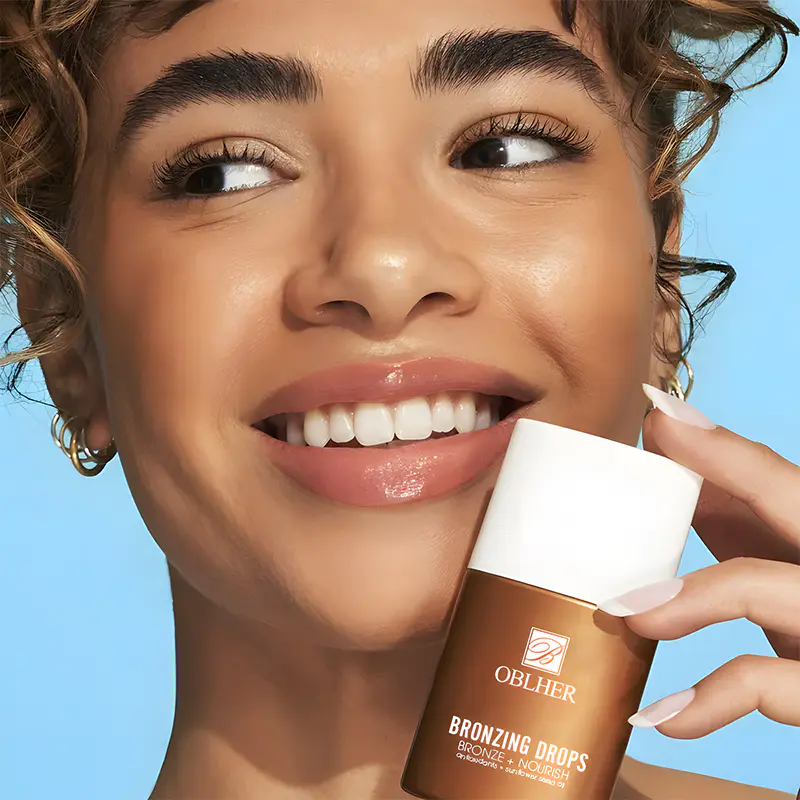
Uneven skin tone is not a single condition — it is a visual outcome produced by several different underlying causes, and understanding them is useful before deciding which product approach makes sense.
The most common contributors:
Each of these causes produces a different visual result, which is why some product approaches address one type of unevenness more effectively than others.
The perception of dimensional depth in a face comes from tonal variation — lighter areas and slightly darker areas that create the visual impression of contour and structure. This is why contouring with makeup works: it artificially replicates the shadow and highlight patterns that a complexion with natural warmth already has.
When skin is very pale, very uniform, or lacking in warm undertones, these natural tonal differences are reduced or absent. The face looks flat because the skin tone is not doing the visual work that a warmer, more varied complexion does automatically. This is a different problem from standard unevenness — it is not about dark spots or patchy pigmentation, but about the skin lacking the depth of color that creates dimension.
The visual effect is familiar: skin that looks healthy and three-dimensional in summer photographs looks pale and flat in winter ones, even when the underlying skin health is identical. What changed is the color depth, not the skin quality.
This is precisely the gap that Tanning Oil Face Drops and bronzing formulas are designed to fill — not coverage, not brightening, but the addition of warm, dimensional color that restores the visual impression of a naturally sun-touched complexion.
Tanning Face Oil Drops function through a combination of immediate color and gradual color development, depending on the formulation.
Immediate color effect:
Many formulations contain ingredients — typically natural or synthetic bronzers or colorants — that provide instant visible warmth when applied. This immediate effect shows up on the skin as soon as the product is blended, making the face appear warmer and more dimensional right away. The color does not develop overnight; it is present from application.
Gradual self-tan development:
The tanning component in many face oil drops uses a skin-reactive ingredient — dihydroxyacetone, or DHA, is the most common — that reacts with amino acids in the outermost layer of the skin to produce a gradual color change over several hours. This color sits on the skin surface rather than beneath it, which is why it fades naturally as the skin sheds its outer cells over days.
Oil base benefit:
The oil carrier in these formulations serves a function beyond texture. Facial oils improve the skin surface's ability to reflect light in a smooth, even way, which itself contributes to a luminous, healthy appearance. Skin that appears dehydrated or textured reflects light unevenly; the oil component corrects this, making the added warmth look natural rather than patchy.
Customizable application:
Oil drops are designed to be mixed with other products — a moisturizer, a foundation, a primer — which allows the user to control the intensity of color and combine the tanning effect with the skincare benefits of the base product. This mixing flexibility is part of what makes the format popular for achieving subtle, natural-looking results rather than an obviously applied color.
Self-tanning products come in several formats — mousses, sprays, lotions, gradual tan moisturizers, and drops — and they are not interchangeable in their practical behavior.
Drops vs. mousse:
Mousses typically provide more intense and faster-developing color, suited to full-body application where a stronger tanning effect is desired. Drops are more appropriate for the face because their lower concentration allows for finer color control and easier blending. Over-application on the face is also more visible and harder to correct than on the body.
Drops vs. gradual tan lotion:
Gradual tan lotions build color slowly across multiple applications, which suits users who want continuous subtle development without a single application step. Drops used in a daily moisturizer can achieve a similar gradual effect, but they offer more direct control over intensity on any given day — more drops for a stronger result, fewer for lighter.
Drops vs. bronzing powder:
Bronzing powder sits on top of the skin and washes off. It creates a similar warm, dimensional visual effect to tanning drops but requires reapplication daily and reads differently on the skin — dry and powder-like versus the natural, skin-like finish that an oil-based tanning drop delivers.
Drops vs. tinted moisturizer:
Tinted moisturizers provide immediate color but no lasting skin development. Tanning Oil Face Drops provide both — the immediate visible warmth from the oil and any instant colorants, plus the developing tan from the DHA component that persists beyond the day of application.
A common issue when using face tanning products is the resulting color mismatch between the face and the body. A warm, dimensional face tone against pale, undertreated neck and chest skin creates a visible discontinuity that undermines the natural effect the face product was trying to create.
Bronzing Drops Body formulations address this problem specifically. Applied to the body — neck, chest, shoulders, arms, and legs — using the same mixing approach as face drops, they allow the user to develop a consistent tone across both face and body, creating visual coherence between areas.
Several considerations for face-to-body coordination:
Using a compatible body bronzing drop alongside a face formula — ideally from the same product range where the formulation chemistry is matched — gives the most consistent result across all visible skin areas.
| Format | Color Type | Application Method | Fade Behavior | Face Suitable | Body Suitable |
|---|---|---|---|---|---|
| Tanning face oil drops | Developing and immediate | Mixed with moisturizer or applied directly | Gradual, natural-looking | Yes | Not designed for |
| Bronzing drops body | Developing and immediate | Mixed into body lotion or applied with hands | Gradual, follows skin cycle | With care | Yes |
| Self-tan mousse | Developing, stronger | Applied directly and blended | Fades in sections if skin uneven | With caution | Yes |
| Gradual tan lotion | Developing, subtle | Used as daily moisturizer | Consistent and slow | Yes | Yes |
| Bronzing powder | Immediate only | Applied over makeup | Washes off same day | Yes | Limited |
| Tinted moisturizer | Immediate only | Applied as skincare step | Washes off same day | Yes | Limited |
Reading across the formats clarifies the specific strengths of oil drop formulations: the combination of developing color and immediate warmth, the mixing flexibility, and the natural-looking fade cycle makes them well-suited to daily face use and to creating a coordinated overall complexion effect when body drops are used alongside.
Understanding which skin situations respond well to Tanning Oil Face Drops helps narrow down whether this product format suits a specific need.
Fair to medium skin tones with seasonal paleness:
These skin types show the most dramatic visual change in winter months, when the natural warmth from sun exposure is absent. A tanning drop used in a daily moisturizer gradually restores the color depth that was present during warmer months, without requiring sun exposure or artificial UV.
Skin with overall flatness rather than specific dark spots:
If the primary concern is not patches or marks but the general impression of dullness and lack of warmth, a product that adds overall color development is more appropriate than one targeting pigmentation reduction. Tanning drops improve the overall tonal quality rather than addressing isolated spots.
People preparing for events or occasions:
A tanning drop used several days before a significant occasion builds warmth gradually, so the color looks natural and developed rather than freshly applied. Starting three or four days ahead gives the DHA component time to develop fully and the initial application to settle.
Makeup wearers who want to reduce foundation coverage:
A base level of warm, even skin tone from a tanning drop means foundation can be used more lightly or skipped. The skin's own color does more of the visual work that coverage products are otherwise required to do.
Users with visible face-to-body color contrast:
People whose face appears notably paler or more uneven than their body — common in those who cover up outdoors but have exposed arms — can use face drops to bring the facial tone into closer alignment with the body, or use body bronzing drops to lift the body tone toward the face.
The results from Tanning Face Oil Drops vary considerably depending on how they are applied. A few practices consistently produce more natural-looking outcomes:
Not all skin tones respond to self-tanning ingredients identically, and the warm bronzed result visible in marketing imagery does not always translate directly to every complexion.
Some general patterns that inform product selection:
Used consistently, these products shift from a single-use treatment to a daily skincare step that maintains a steady level of warmth and color depth throughout the week.
A practical maintenance approach:
This kind of routine relationship with a tanning drop product produces more consistent results than occasional use, and it keeps the skin looking naturally warm year-round rather than cycling between pale and visibly applied color.
The experience of using Tanning Face Oil Drops varies significantly between formulations. The same active ingredients can produce very different results depending on the oil profile, the colorant selection, the DHA concentration, and the overall formula design. Zhejiang Weiya Cosmetics Co., Ltd. develops tanning and bronzing formulations for cosmetics and personal care applications, including Tanning Oil Face Drops and Bronzing Drops Body formats suited to a range of skin tones and consumer preferences. For beauty brands, private label buyers, and product development teams evaluating formulation options, sample assessment against specific skin tone requirements and packaging formats is the practical starting point. Reaching out to discuss the formulation brief — whether the goal is a subtle daily glow product, an intensive bronzing formula, or a face-to-body coordinated set — allows the development process to start from the actual outcome the product is meant to deliver.
Your email address will not be published. Required fields are marked *