English
 Español
 Deutsch
Industry News

(86-579)8507 2566
Welcome to Zhejiang Weiya Cosmetics Co., Ltd.





Welcome to Zhejiang Weiya Cosmetics Co., Ltd.
May 29, 2026
You wake up, look in the mirror, and something feels off. The skin looks flat. Washed out. Not quite unwell, but not glowing either — just dull, like color has quietly drained away. That kind of pale, lackluster complexion is something many people deal with daily, and it rarely comes from a single cause. Stress, sleep disruption, seasonal changes, indoor lifestyles — they all chip away at the skin's natural warmth over time. For those who want a visible, natural-looking lift without heavy makeup or sun damage, Tanning Face Oil Drops have emerged as a genuinely practical solution worth understanding.
Healthy radiance is not just a cosmetic illusion. It reflects real activity beneath the surface — circulation, hydration, cell renewal. When those processes slow down or become unbalanced, the skin stops catching light the way it should.
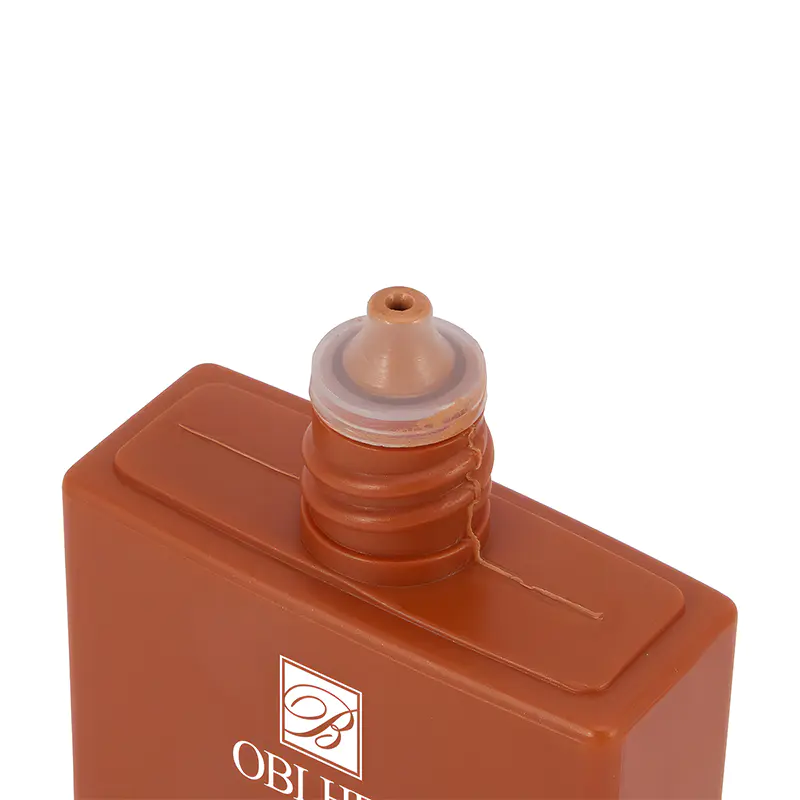
Common contributors to dullness include:
What's worth noting is that pale skin is not inherently problematic. The concern arises when the skin looks lifeless — when it lacks depth, warmth, and luminosity regardless of natural skin tone.
At their core, these are concentrated, oil-based formulas designed to add a subtle bronzing or warming effect to the skin. Unlike traditional self-tanners that can leave a heavy, artificial-looking finish, face oil drops are formulated to blend naturally into the complexion.
They work in two ways:
The result tends to look far more natural than full-coverage products. No mask. No orange undertone. Just a quiet, healthy warmth that makes the whole face appear more rested and vibrant.
This is where formulation really matters. Dry or dehydrated skin absorbs light unevenly — it scatters rather than reflects. That scattering effect is a major reason why skin looks dull rather than glowing.
An oil-based delivery system addresses this directly. The lipid content fills micro-texture irregularities on the surface, creating a smoother canvas. Light bounces off that surface more evenly, which produces the visual impression of radiance — even before any bronzing pigment comes into play.
For skin that is both pale and dry, this dual function — hydration plus color — makes oil-based drops more effective than water-based alternatives that sit on top of the skin without nourishing it.
Not quite. While the active bronzing concept is shared, the formulations differ in meaningful ways.
| Feature | Tanning Oil Face Drops | Bronzing Drops Body |
|---|---|---|
| Concentration | Lower — facial skin is thinner | Higher — body skin is more resilient |
| Texture | Lightweight, non-comedogenic | Richer, more emollient |
| Finish | Subtle, natural-looking warmth | Deeper, more visible bronzing |
| Application area | Cheeks, forehead, nose bridge | Arms, legs, shoulders, décolletage |
| Absorption speed | Faster | Slower, more gradual |
| Fragrance levels | Usually minimal | Can be stronger |
Using a body formula on the face is not advisable. The skin on the face is more reactive, prone to congestion, and far more visible — making precision formulation a genuine consideration, not a marketing distinction.
Culturally, "tanning" carries connotations of deep, dark color. But the skin glow that people actually want — and that tanning oil face drops deliver — is something more nuanced.
Think of it as warmth rather than darkness. A slightly warmer undertone, a little more depth around the cheekbones, a subtle bronzed quality that makes the skin look like it has seen daylight. This is what "healthy radiance" means in contemporary beauty conversations.
There has been a real shift away from heavy bronzing toward this kind of soft, lit-from-within effect. Skin that looks healthy is more compelling than skin that looks darkened. That distinction shapes how well-formulated face drops are designed — to enhance the complexion's natural appearance rather than cover it with a layer of color.
Application method matters just as much as the formula itself. A few considerations:
Mixing with moisturizer or foundation: Adding one to three drops into a daily moisturizer gives a subtle, diffused effect. This works well for everyday wear — a light warmth that does not look deliberate.
Applying directly to skin: Pressing drops directly onto the cheeks, nose, and forehead mimics the natural pattern of sun exposure. Blend outward toward the hairline and jawline to avoid visible edges.
Layering for depth: For a more defined bronzed look, allow one layer to absorb before applying a second. This builds color gradually rather than applying too much at once.
What to avoid:
The shift toward skin-positive beauty has reshaped what people look for in complexion products. Foundation coverage used to be the dominant goal — now, many buyers actively prefer products that make skin look like skin, only better.
Several factors explain this change:
Tanning oil face drops sit squarely within this shift. They enhance rather than conceal, which aligns with how a large segment of the current beauty market thinks about their skin.
Not every product delivers on its promises. When evaluating options — especially for professional or wholesale purchasing — there are formulation qualities worth prioritizing.
Key characteristics of a reliable formula:
A formula that checks these points will perform well across a range of skin tones and types, which matters especially for brands and suppliers serving diverse markets.
Pale complexions require a different approach than medium or deeper tones. The contrast between the skin's base color and the bronzing pigment is more visible, which means formulation errors — orange undertones, patchy absorption, heavy pigment load — show up more obviously.
For pale or fair skin:
This is not a limitation. It simply means that the formulation needs to be genuinely thoughtful, not just functional.
Dull, pale skin is not a permanent condition — and it does not require dramatic intervention to look healthier. The combination of an oil-rich base and a soft bronzing effect addresses two of the core reasons skin looks flat: lack of moisture at the surface and absence of warmth in the undertone. When formulated well, the result feels effortless — skin that looks naturally alive rather than cosmetically altered. For buyers, brand developers, and product sourcing teams looking to address this gap in their skincare or complexion range, working with a manufacturer who understands both the chemistry and the consumer behind these products makes a meaningful difference. Zhejiang Weiya Cosmetics Co., Ltd. brings that depth of formulation knowledge and production capability to every collaboration, making it a reliable partner for developing face drop products that genuinely deliver on the promise of healthy, radiant skin.
Your email address will not be published. Required fields are marked *