English
 Español
 Deutsch
Industry News

(86-579)8507 2566
Welcome to Zhejiang Weiya Cosmetics Co., Ltd.





Welcome to Zhejiang Weiya Cosmetics Co., Ltd.
Nov 01, 2026
Anyone who has applied foundation on a dry winter morning knows the problem.
Makeup catches on rough patches near the nose, and by afternoon the forehead looks shiny. The same base can behave differently on different faces, and even on different parts of one face.
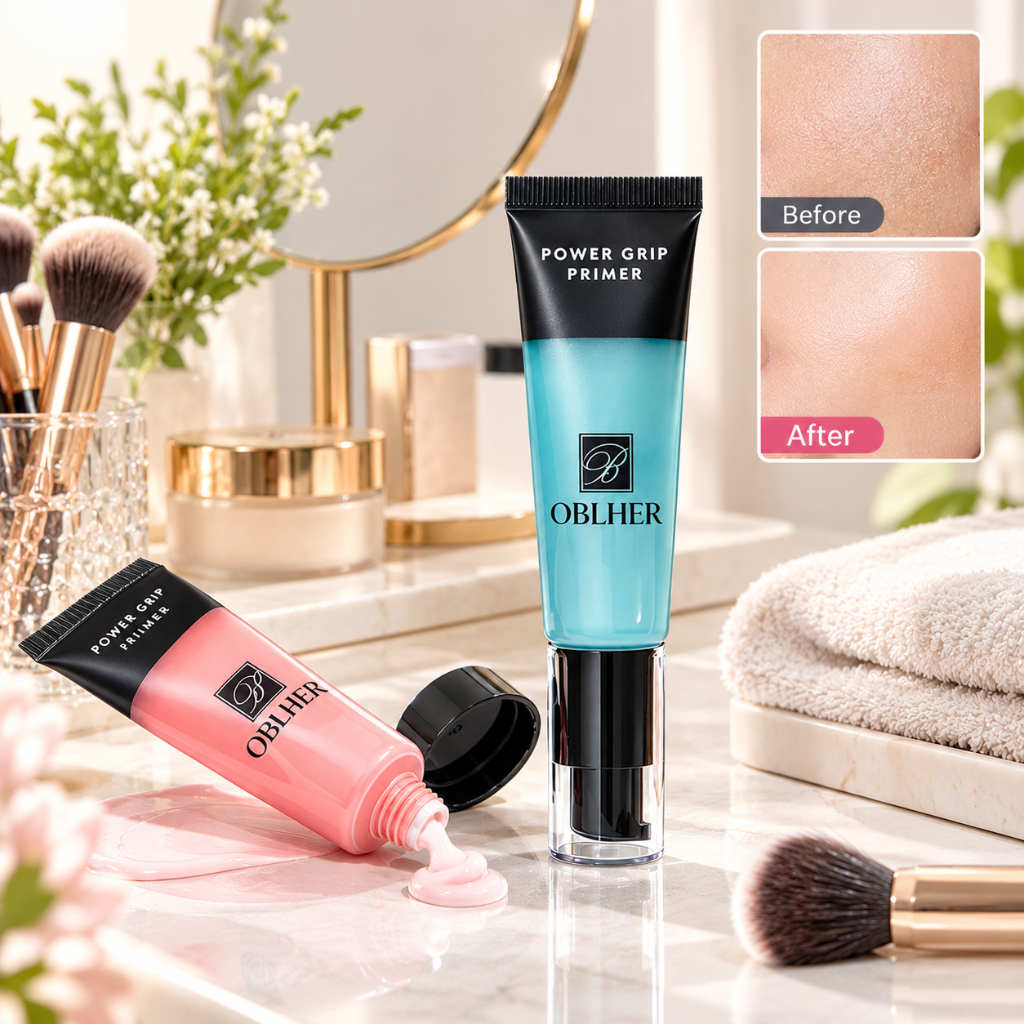
A Moisturizing Makeup Primer prepares the skin before foundation. Depending on the formula, it may make the skin feel more comfortable and help makeup spread more evenly. It does not suit everyone in the same way, so texture, skin condition, and application habits all matter.
Dry skin may feel tight or rough, and some people notice small flakes after cleansing. Oily skin tends to develop shine and a slippery surface as the day goes on. Combination skin shows both patterns, often with an oily forehead and nose and cheeks that feel normal or dry.
A rich cream may soften dry areas but feel heavy on oily skin. A light gel may spread easily over shine yet feel thin on skin that is often tight. Neither texture is wrong. Each simply suits a different starting point.
Skin type is not the only factor. A harsh cleanser, cold weather, air conditioning, or a heated room can make normally oily skin feel dry for a few days. Summer humidity can make dry skin feel more comfortable than usual.
Choose with both in mind: the usual skin type and how the skin feels today. A routine that worked in July may need adjusting in January.
| Skin Type | Common Experience | Primer Consideration |
|---|---|---|
| Dry skin | Tightness, rough patches, flaking | Comfortable cream or lotion texture |
| Oily skin | Shine, slippery surface | Lightweight gel or fluid texture |
| Combination skin | Oily in some areas, dry in others | Flexible texture or targeted application |
These are general guides, not strict rules. How a product feels on your face often tells you more than the label does.
When skin feels tight or flaky, foundation settles around dry patches and spreads unevenly. A cream or lotion texture can give a softer, more cushioned base. A thicker product is not automatically better, though. A heavy feel can interfere with the finish you prefer, especially if your foundation is also rich.
Let your skincare settle before applying primer. Products that are still wet or slippery can mix with the base and cause patchiness. Use a small amount, then add a little more only on the cheeks or other places that feel dry.
If the layer feels sticky or the foundation separates, use less product or change the order of application. Piling primer over visible flakes rarely smooths them. Gentle skincare beforehand does more, and heavy rubbing can make flaking more noticeable.
Oily skin still needs moisture. The aim is a comfortable base without a coated feeling. Gels, fluids, and light lotions are easy to spread thinly, but texture alone does not decide the finish. A gel may still look shiny after a few hours, while a slightly creamy formula may settle well once it is blended.
A simple routine keeps things manageable:
Labels such as lightweight or oil-free describe a product, but they do not promise a matte result. Judge the finish on your own skin, in the lighting and weather you actually live with. A primer will not halt natural oil production. It prepares the surface, and the final look also depends on foundation, setting products, and the environment.
Using the same amount everywhere rarely fits combination skin. Divide the face by need instead. The forehead, nose, and chin may want a lighter layer, while the cheeks benefit from a more moisturizing one. The pattern differs from person to person, so respond to your skin instead of following a fixed map.
| Facial Area | Possible Condition | Application Approach |
|---|---|---|
| Forehead | May develop shine | Thin layer |
| Nose | Oily or slippery | Avoid excess product |
| Chin | Oily or dry | Adjust to how it feels |
| Cheeks | Tight or dry | Slightly more moisturizing layer |
| Around the mouth | Dryness, makeup settling | Apply gently, use little |
One flexible formula applied in different amounts often works well, so a second product is not always necessary. Some people still prefer two textures, one for dry areas and one for shiny areas. Either approach is reasonable.
Blend with gentle movements. Uneven layers leave visible edges and make foundation harder to spread, particularly along the jaw and hairline.
Cream feels rich and cushioned. Lotion sits between comfort and easy spreading. Gel feels light and fresh, and fluid spreads in a thin film.
Two products with the same texture can still behave differently because their formulas are not identical. The foundation applied on top changes the outcome as well. A silicone-heavy foundation over a water-based primer may behave differently from a matching pair, so pairing matters.
| Texture | General Feel | What to Observe |
|---|---|---|
| Cream | Rich and cushioned | Whether it feels too heavy |
| Lotion | Smooth and balanced | Whether it spreads evenly |
| Gel | Light and fresh | Whether it gives enough comfort |
| Fluid | Thin and easy to spread | Whether the layer feels sufficient |
The primer is not always the cause. Skincare residue, too much product, rushed layering, and rubbing can all make products roll into tiny flakes. Patchiness often shows up around dry areas, such as the sides of the nose and the corners of the mouth.
Apply a thin layer and spread it gently instead of rubbing one spot. Give it a short time to settle before foundation. If problems continue, change one step at a time. Try less primer, a different skincare layer, or another foundation texture. Changing everything at once hides the real cause.
A short routine is easier to repeat on busy mornings.
Adding more product does not fix a dry cheek. If comfort is still missing, review the skincare routine underneath or try a different texture.
Look past general claims about hydration. Check the intended skin type, texture, and ingredient list, especially if you have known sensitivities. Clear directions for use matter too. Be cautious about promises to remove all dryness or shine, since no single product can deliver that for every face.
Testing a small amount on a clean area for a few days gives useful information before you commit to daily use. If a product causes ongoing redness, itching, or discomfort, discontinue it and seek professional advice.
A primer should fit your routine, not force the routine to change around it. Dry skin may like a cushioned feel, oily skin a lighter layer, and combination skin a different amount in each area.
Skin shifts with weather, sleep, travel, and daily habits. Notice how the product feels over a full day, including the afternoon, and adjust the amount or texture when your skin changes.
Your email address will not be published. Required fields are marked *