English
 Español
 Deutsch
Industry News

(86-579)8507 2566
Welcome to Zhejiang Weiya Cosmetics Co., Ltd.





Welcome to Zhejiang Weiya Cosmetics Co., Ltd.
Oct 23, 2026
Cooler air and indoor heating change how skin feels from one season to the next. Areas that looked smooth in warm weather may show flakes or uneven texture. Foundation can settle around the nose, cling to dry patches on the cheeks, or gather near the mouth as the day goes on.
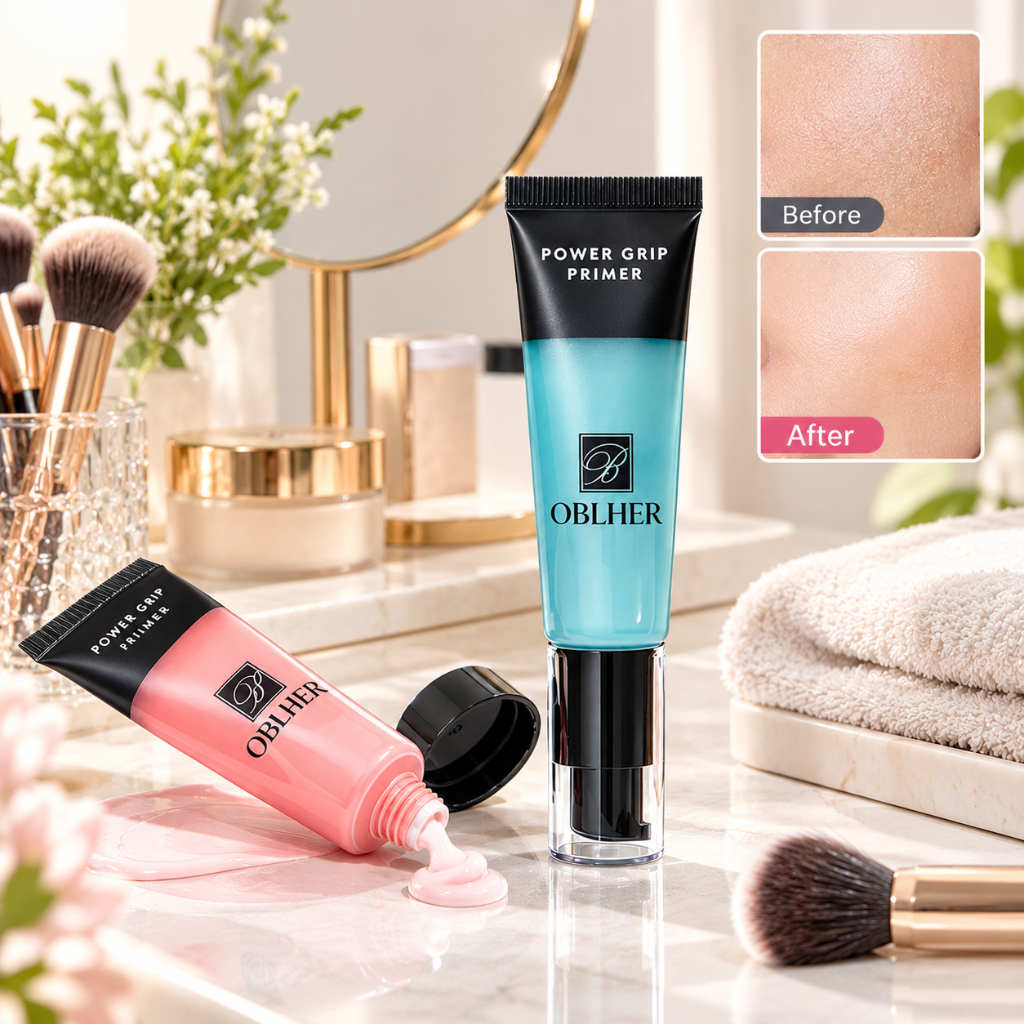
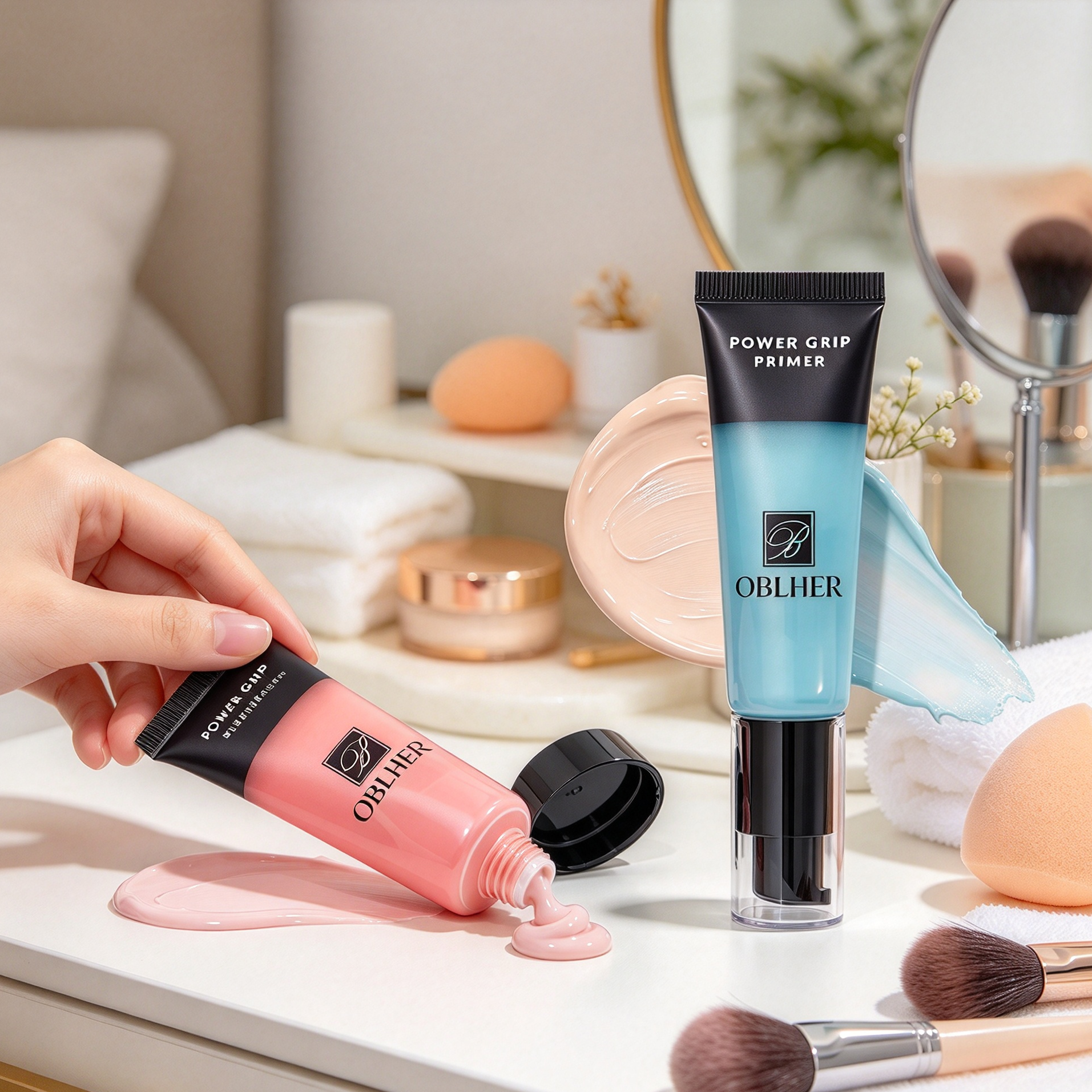
These changes do not always mean the foundation needs replacing. The skincare underneath, the condition of the skin, and the application method all affect the finish. A Moisturizing Makeup Primer can help create a more comfortable base, but its role depends on how it is used and whether it suits the rest of the routine. In autumn, a practical approach is to match makeup to local skin needs, using thin, even layers that blend easily.
Cool outdoor conditions, dry indoor air, frequent washing, and shifts in skincare habits can all cause tightness or rough patches. When the skin surface becomes uneven, foundation collects around small flakes and does not spread smoothly.
The routine itself can add to the problem. Several rich products applied without time to settle leave a heavy film. Foundation then slides across the surface, gathers in certain areas, and emphasizes texture that was less visible before makeup.
| What You Notice | Possible Reason |
|---|---|
| Foundation catches on the cheeks | Dry patches or an uneven skin surface |
| Makeup gathers around the nose | Product buildup or repeated rubbing |
| The base looks thick near the mouth | Too much product in a moving area |
| Foundation separates in places | Layers that do not work well together |
| Skin feels tight under makeup | Skincare routine may need adjusting |
One sign can have several causes. Notice when the problem appears, whether it begins before foundation goes on, and which areas are affected.
A moisturizing primer prepares the skin for makeup and adds a comfortable surface feel. Depending on the formula, it may help foundation spread evenly and soften the look of minor texture. It does not replace skincare, and it cannot correct every cause of dryness or flaking.
A thick layer creates buildup, particularly when moisturizer and sunscreen have already left a film. A thin layer is easier to work with and keeps the base lighter. Some areas benefit from a light application, while others need no extra product.
Dryness rarely affects the face evenly. The cheeks may feel tight while the forehead is comfortable, and the skin beside the nostrils may flake while the chin turns shiny by afternoon. Using the same amount everywhere ignores these differences.
If the cheeks feel dry, apply a suitable moisturizer there before primer. If the sides of the nose tend to collect product, a lighter touch works better than another layer. Preparing only the areas that need it keeps a natural finish and reduces blending.
| Facial Area | Application Consideration |
|---|---|
| Cheeks | Check for dryness before applying primer |
| Sides of the nose | Use small amounts and avoid repeated rubbing |
| Forehead | Apply according to the skin's actual condition |
| Chin | Keep layers light where makeup tends to gather |
| Around the mouth | Use gentle movements on skin that moves often |
The same area can behave differently from day to day, depending on weather, cleansing habits, and other products.
When foundation catches on dry patches, more primer rarely fixes it. The surface needs attention before makeup begins. Gentle cleansing and suitable skincare help the skin feel comfortable, while harsh scrubbing increases irritation and makes texture more noticeable.
After cleansing, spread moisturizer evenly and avoid thick deposits in folds. Give it time to settle before deciding whether primer is needed. Visible flakes should not be hidden under many layers, and rubbing lifts loose skin and disturbs the products underneath. Persistent flaking, or flaking with redness, itching, or discomfort, may point to irritation or another skin concern that calls for professional advice.
A thick primer layer can collect around the nose and mouth and leave the surface feeling heavy. Begin with a modest amount, spread it over the areas that need preparation, and add a small dab only where necessary. The product should cover the area without clumps or a slippery coating.
A thin layer also shows how the product behaves. If foundation spreads comfortably, extra primer adds little. If a dry area still looks uneven, review the skin preparation instead of adding more product.
If moisturizer or sunscreen is still moving across the skin, primer can drag the layer underneath, and foundation then disturbs both. The result is streaks, clumps, or an uneven finish. Check how the skin feels instead of following a fixed routine. A surface that is wet, slippery, or heavily coated needs more time.
Sunscreen deserves particular care. Follow its directions and let it settle before makeup. Do not use less than its directions call for just to make foundation easier to apply.
| Layer | What to Check Before Moving On |
|---|---|
| Moisturizer | Has it spread evenly without thick patches? |
| Sunscreen | Has it settled according to its directions? |
| Primer | Does the surface feel suitable for foundation? |
| Foundation | Is it blending without repeated rubbing? |
If layers still pill after adjusting the waiting time, look at the amount used and how the formulas combine.
Repeated rubbing creates friction that disturbs the layers underneath. This shows up on dry cheeks and around the nostrils, where foundation catches on texture. Use gentle, controlled movements, and avoid working over an area once the layer is even. Pressing the product in may feel more comfortable than rubbing, provided it suits the formula.
A practical sequence:
Product collects beside the nostrils, at the corners of the mouth, and along small folds. Use only the amount needed, spread it carefully, and avoid moving the applicator back and forth. Foundation also needs a light touch here, since another layer adds weight without improving the look. If the nose turns oily while the cheeks stay dry, treat each area differently.
Full-face primer suits some routines but is not required. If the skin feels comfortable and foundation spreads well, it may only add a layer. Applying primer to dry cheeks while keeping the forehead and nose light makes it easier to judge whether the product helps. Pilling only where primer sits points to the amount, the technique, or the product combination. Catching in areas without primer points to skin condition or foundation technique.
Foundation turns cakey when too much product builds up or the surface cannot support an even layer. Begin light and check the result before adding more, and place extra coverage only where needed. If foundation starts to roll, do not blend harder. Remove loose product gently and reapply a lighter layer.
Choose according to skin condition, desired finish, and the products already in use. Someone with dry skin may like a primer that feels comfortable and spreads easily, while another person may need a lighter texture because the morning routine already includes rich skincare. Judge the primer together with the moisturizer, sunscreen, and foundation it will meet, since packaging descriptions cannot predict every combination.
No primer can promise to prevent dryness or caking in every situation, because results depend on skin, application, and compatibility.
Application guidance helps customers see how a Moisturizing Makeup Primer fits a seasonal routine. Product information can explain where to use it, how to apply it, and why skincare and sunscreen should settle before foundation. It should also acknowledge that dry-looking makeup has several causes, including the skin surface, buildup, application pressure, and formula combinations.
Short demonstrations can contrast a heavy layer with a smaller amount placed where needed. They can also show how gentle movements reduce friction, and why adding more foundation is not a reliable answer to uneven makeup. Clear instructions let customers judge whether a product suits their skin and adjust the routine to their own needs.
Your email address will not be published. Required fields are marked *