English
 Español
 Deutsch
Industry News

(86-579)8507 2566
Welcome to Zhejiang Weiya Cosmetics Co., Ltd.





Welcome to Zhejiang Weiya Cosmetics Co., Ltd.
Jul 22, 2026
A makeup bag often ends up with more than one eyebrow product tucked inside it, even though most people only reach for one on any given morning. Someone might grab a Shape and Stay Brow Pencil before rushing out the door, then dig out an older traditional pencil later that week for a slower Saturday routine. Both products fill in brows, yet they don't quite do it the same way, and noticing those small differences tends to make daily makeup decisions a little easier.
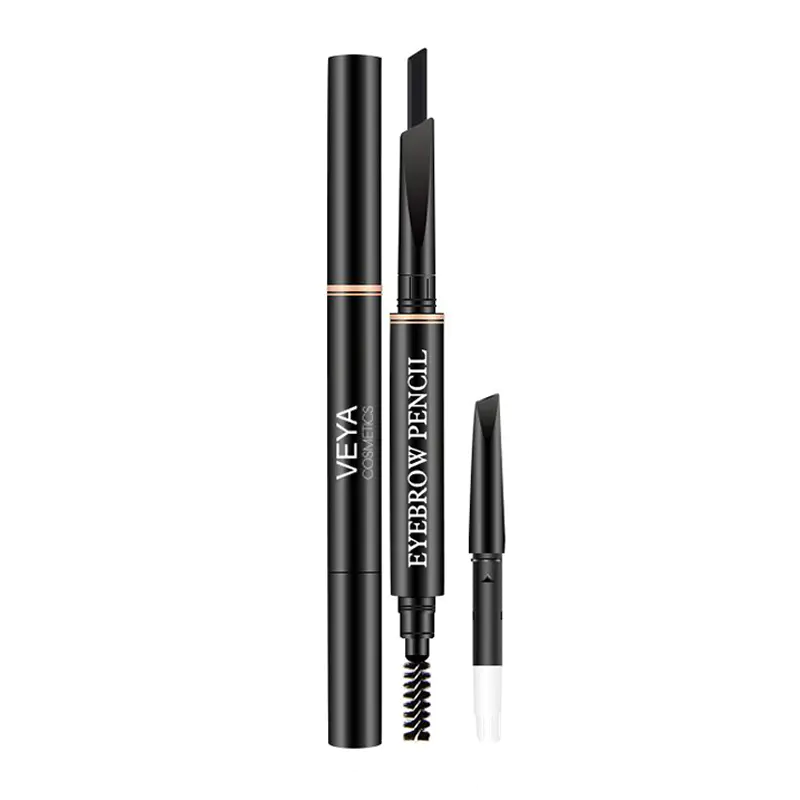
This type of pencil is built to handle two jobs at once — shaping the brow's outline while also filling in sparse areas with color. Instead of treating those as separate steps, it folds them into one motion during application.
Plenty of people reach for it specifically because their morning routine doesn't leave much room for extra steps. A few strokes along the brow line, a bit of filling where hair looks thin, and the look is done without switching tools halfway through.
It doesn't only work for quick mornings, though. Some people layer it underneath other brow products when they want a more built-up look for an evening out or a photo-heavy event.
The traditional eyebrow pencil has been sitting in makeup bags for decades, and that history means most people already know exactly how to use one without thinking twice.
It doesn't try to combine shaping and filling into a single motion the way newer products do. Instead, it leaves more room for the person using it to decide how they want to draw each stroke — softer here, more defined there, adjusted on the fly depending on the day.
That flexibility is probably why so many people who learned makeup years ago never fully switched away from it. It fits into whatever method they already trust, rather than asking them to learn a new approach.
Looking at how each product tends to get used day to day makes the practical differences a bit clearer.
| Feature | Shape and Stay Brow Pencil | Traditional Eyebrow Pencil |
|---|---|---|
| Main job | Shapes and fills in one motion | Defines and fills, applied more freely |
| Typical routine | Fits quick, streamlined mornings | Fits established, personal methods |
| Application feel | More structured strokes | More flexible, adjustable strokes |
| Who tends to prefer it | People wanting fewer steps | People with a routine they already trust |
| How it's often used | Sometimes layered with other products | Often used on its own |
Neither one makes the other pointless. A person might genuinely prefer one for weekday mornings and the other for a slower weekend routine, depending on how much time and attention they want to give their brows that day.
Mornings look different for different people. Someone rushing to catch a bus at seven a.m. isn't approaching brows the same way as someone getting ready for a wedding later that afternoon.
A Shape and Stay Brow Pencil tends to suit people who like combining steps — shape and color handled together without switching tools midway. A traditional pencil tends to suit people who already have a method they're comfortable with and don't feel the need to change it.
Neither choice is really about following a trend. It comes down to how someone already gets ready in the morning and whether a new tool fits naturally into that habit or just adds friction.
For a lot of people, yes. Application style ends up mattering more than the label on the packaging.
Some prefer brows that look soft and barely-there. Others like a more visibly defined shape. Comfort while actually holding and using the pencil plays into this too — a pencil that feels awkward mid-stroke tends to get abandoned pretty quickly, no matter how good the color payoff is.
A few questions come up naturally while deciding:
Working through these tends to narrow things down faster than reading ingredient lists or comparing packaging colors.
No two sets of eyebrows look quite the same. Some are naturally full, some are sparse in certain spots, and hair color varies enough that shade matching becomes its own small project.
Because of that, picking a brow pencil rarely comes down to one universal answer. Personal habits shape the decision just as much as the product itself:
Someone who enjoys trying new looks each week might rotate between both types depending on mood. Someone who's found a routine that works might stick with one pencil for years without much reason to switch.
A few considerations tend to matter more once the product actually gets used daily rather than just sitting on a store shelf.
Someone applying makeup daily has different expectations than someone who only bothers for occasional outings.
A soft, natural fill and a sharply defined shape call for slightly different handling, even if the same pencil technically can do both with practice.
Foundation, concealer, and eye makeup all interact with brow products in small ways — smudging, blending, layering. Thinking about how a new pencil fits alongside what's already being used helps avoid frustration later.
Like most cosmetics, pencils need occasional sharpening, and caps should go back on properly to keep the tip from drying out or breaking.
Not necessarily. Plenty of people keep both sitting in the same makeup bag without any conflict between them.
A weekday might call for something quick — a Shape and Stay pencil handling shape and color together in under a minute. A weekend event might call for a slower, more deliberate approach with a traditional pencil, adjusting strokes bit by bit until the shape looks right.
Rather than treating the two as competitors, many people simply treat them as different tools for different moments, the same way someone might keep both flats and heels in a closet without needing to pick a permanent favorite.
New products keep entering the beauty market, yet older, familiar ones rarely disappear entirely. That pattern says less about which product performs better and more about how personal makeup habits really are. Some people gravitate toward tools that simplify their morning. Others stick with methods they've trusted for years and see no reason to change. Both approaches make sense once framed around actual daily habits rather than around which product happens to be trending that season. Comparing application style, how each fits into an existing routine, and personal comfort with each tool tends to reveal which pencil actually belongs in someone's daily bag — sometimes it turns out to be both.
Your email address will not be published. Required fields are marked *