English
 Español
 Deutsch
Industry News

(86-579)8507 2566
Welcome to Zhejiang Weiya Cosmetics Co., Ltd.





Welcome to Zhejiang Weiya Cosmetics Co., Ltd.
Sep 29, 2026
Autumn and winter makeup can feel complete without a long list of products. Once the base is ready, one well-chosen blush can bring color back to the cheeks and connect the rest of the look. The key is a shade that suits the wearer and a texture that blends before the edges become obvious.
A single-color blush makeup routine uses one shade as the main color step. For a quick daily look, that might mean a muted peach or rose applied lightly to the cheeks, then blended into the base. For beauty brands, the same simple routine offers a clear product concept: a wearable shade, controllable color payoff, and packaging that is easy to use.
A single-color blush makeup routine builds the cheek look around one blush shade, rather than layering several colors to create depth. Placement and blending do the work: a light application adds a natural flush, while a second thin layer makes the color more visible.
This approach suits daily makeup, office looks, and natural nude makeup because it is easy to repeat. It can also simplify a seasonal beauty collection. A brand does not need a complicated application story to explain what the product does or how to use it.
"Single-color" does not mean one shade will flatter every complexion in the same way. Shade depth, undertone, and color payoff still matter—especially when developing a blush range for different markets.
During colder months, foundation or concealer can leave the face looking more uniform than intended. Blush restores a point of color without requiring a full contour routine. Muted peach, rose beige, warm apricot, brownish pink, and soft terracotta can all support an autumn or winter look, depending on skin tone and preference.
A 3-minute autumn and winter makeup look is most realistic when the base is already prepared. The blush step stays quick when the formula picks up evenly, blends without a sharp boundary, and builds gradually. A highly pigmented shade can be beautiful, but it may take more time to correct if too much is applied at once.
This routine focuses on a fast cheek application over a prepared base. The timing will vary with the products used and the finish desired.
1. Prepare a Clean Base
Apply the foundation or concealer you normally use, or leave the skin bare if preferred. Before adding blush, make sure the cheek area feels even enough for the chosen formula to blend. A heavy base is not necessary for a soft seasonal look.
2. Pick a Soft Autumn-Winter Blush Shade
Choose a color you can apply lightly without losing it against your skin tone. Nude peach, muted coral, rose beige, warm apricot, brownish pink, and soft terracotta are useful shade directions—not rules that every complexion must follow.
Test the shade on the cheek when possible. Its appearance in the pan may differ from how it looks over foundation or natural skin.
3. Apply Blush to the Cheeks
Pick up a small amount with a suitable brush and tap off any excess. Place the color on the cheeks or slightly higher toward the cheekbones, according to the effect you prefer. Start lightly; adding a little more is quicker than blending away too much.
4. Blend Outward for Soft Dimension
Use gentle strokes to diffuse the edge toward the temples. The goal is a transition into the surrounding base, not a visible stripe. If the color seems uneven, use a clean brush to soften the boundary before adding more product.
5. Add a Small Touch for Balance
A trace of the same shade near the temples—or across the nose, if that placement suits the look—can make the color feel more connected. Keep this optional step subtle. It should support the cheeks rather than turn the routine into a second blush application.
6. Set the Look If Needed
Use a light amount of loose powder or setting spray if it works with the base and desired finish. Skipping this step is also reasonable for a quick routine. The result can remain softly luminous rather than fully matte.
A successful seasonal blush must work on the face, not only in its compact. Color, texture, finish, and packaging all influence whether it fits a quick routine.
Muted shades can create a soft autumn makeup look, but "muted" should not mean too pale to show on deeper skin tones. Develop shade depth and undertone deliberately. Nude peach and warm apricot may suit one concept; rose beige or brownish pink may suit another.
For a powder blush, assess pickup, fallout, blending, and how the color sits over common base products. A smooth feel in the pan is useful, but application testing is more informative. The formula should let users build color without creating patchy areas.
Finish changes the character of the same shade:
| Finish Visual effect | Development consideration |
|---|---|
| Matte | Soft, low-shine color Avoid a dry or flat appearance |
| Satin | Gentle light reflection Keep sheen even across the cheek |
| Subtle shimmer | More visible dimension Check particle appearance in different light |
For a quick daily routine, a controlled finish is often easier to position than an effect that requires careful placement.
A buildable formula gives users room to adjust. Test both the first application and subsequent layers: a blush should not appear almost invisible on one pass and suddenly overpower the look on the next.
Review proposed shades on a range of skin tones and over different base makeup finishes. A single "universal nude" is a difficult claim to support. A coordinated group of shades can make the product line more useful while retaining a clear autumn and winter identity.
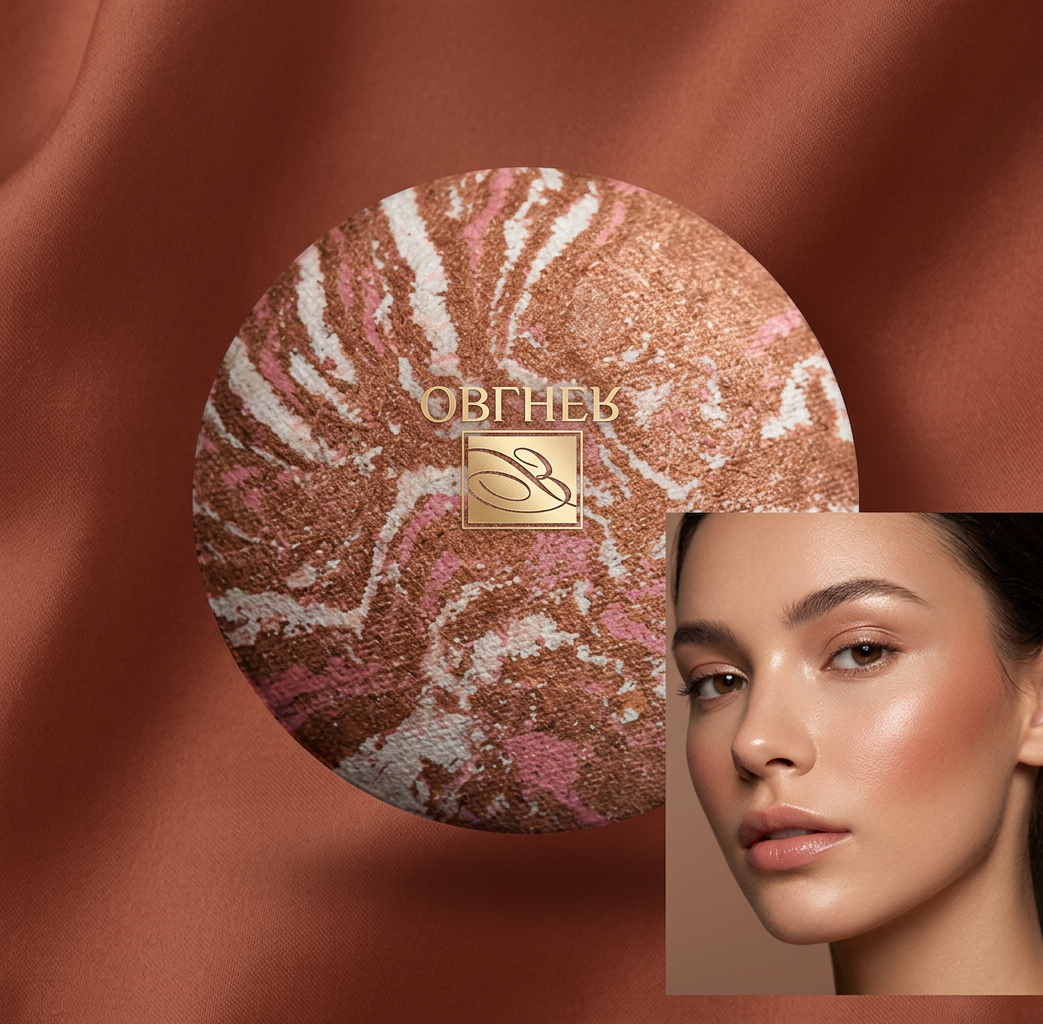
A single-color compact should be comfortable to open, easy to carry, and suitable for the chosen powder pan. Case shape, mirror, pan size, surface pattern, logo placement, and outer box design can reinforce the seasonal concept without making everyday use less convenient.
Blush can sit within a wider face makeup or seasonal collection alongside foundation, concealer, loose powder, highlighter, eyeshadow, lip color, or setting spray. Shade and packaging coordination make the products feel related; each formula should still be assessed on its own merits.
Single-color blush offers brands a straightforward product story: one shade, a clear placement technique, and an adjustable result. That makes it suitable for daily makeup lines, natural nude makeup concepts, autumn and winter collections, compact products, and makeup sets.
It also creates useful educational content. A product page can answer how to apply the blush, which finish it offers, and how its shade appears on different complexions. Those specific answers are more helpful to shoppers—and easier for search systems to interpret—than repeating broad claims such as "perfect for everyone."
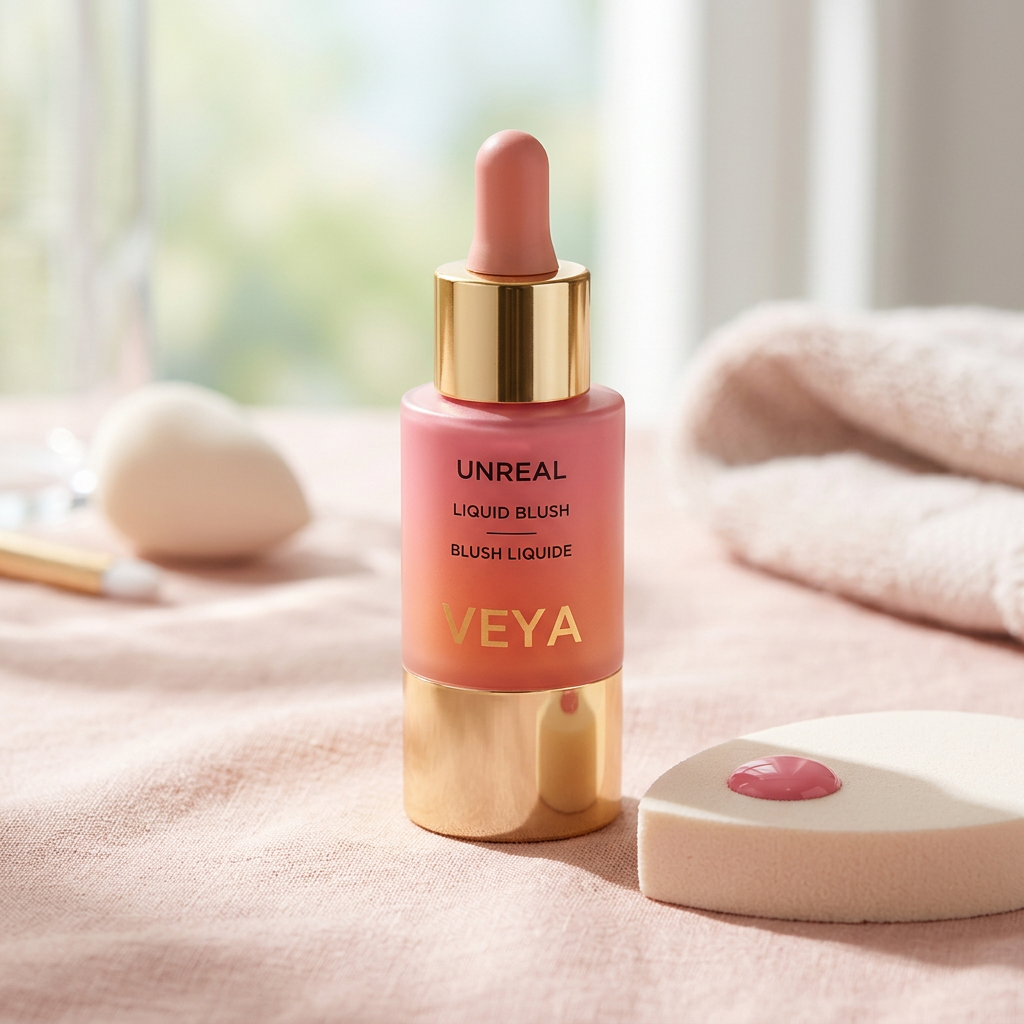
VEYA Cosmetics supports face makeup development as part of its full-category OEM/ODM services. For a custom single-color blush project, the development brief can cover the target shade, formula format, texture, finish, compact design, outer packaging, and its place in a wider makeup line.
Samples provide an opportunity to review how the proposed blush picks up, blends, layers, and appears over base makeup. Packaging and formula should also be considered together: the pan, case, and presentation need to suit the product the brand intends to sell.
A useful brief includes target markets, shade references, desired finish, packaging direction, and any specific product requirements. Clear references help turn an autumn and winter makeup concept into a product that can be evaluated consistently.
Soft nude and muted blush shades can show small color differences clearly. Development and production checks should therefore focus on both appearance and application.
Relevant considerations include raw-material review, formula stability, shade comparison, color payoff, blendability, powder integrity, packaging compatibility, and finished-product appearance. Testing conditions and acceptance criteria should be defined for the specific project rather than assumed from the product category.
For brands, the practical goal is consistency: the approved shade and finish should be recognizable in subsequent production, and the packaged blush should remain suitable for its intended use.
What is a single-color blush makeup routine?
It is a makeup approach that uses one blush shade for the cheek color. Light application and blending create a natural result; thin additional layers increase intensity.
Why is single-color blush suitable for autumn and winter makeup?
One muted or softly warm shade can add color to the face while keeping the overall look simple. The best shade still depends on skin tone, undertone, and personal preference.
How do you create a 3-minute autumn and winter blush look?
Start with a prepared base, apply a small amount of blush to the cheeks, and blend the edges outward. Add another light layer or set the makeup only if needed.
How should cosmetic product teams choose autumn and winter blush shades?
Consider shade depth and undertone alongside texture, finish, buildability, target market, and the rest of the product line. Evaluate proposed colors on different skin tones rather than relying on pan appearance alone.
Can VEYA Cosmetics support custom single-color blush development?
Yes. VEYA Cosmetics offers OEM/ODM support for face makeup, including development work involving shades, textures, samples, packaging, and coordinated makeup concepts.
A single-color blush makeup routine turns a small step into a visible change: natural cheek color that can make a prepared base feel more complete in minutes. For brands, the strongest autumn and winter blush concept combines a clearly defined shade with reliable application, appropriate packaging, and a product description that shows people how it fits their daily makeup.
Your email address will not be published. Required fields are marked *