English
 Español
 Deutsch
Industry News

(86-579)8507 2566
Welcome to Zhejiang Weiya Cosmetics Co., Ltd.





Welcome to Zhejiang Weiya Cosmetics Co., Ltd.
Sep 28, 2026
A natural-looking flush changes the whole feel of a makeup look, and it doesn't need to read as heavy or sharply drawn on to do it. It can just look like the cheeks happen to carry a little more warmth and freshness that morning, the same effortless color someone gets after a brisk walk outside in the cold.
Cheek Liquid Blush has become a genuinely useful option for that kind of finish, since its fluid texture spreads and blends across the skin in a way powder never quite manages. Unlike a traditional powder blush sitting on top of the makeup, liquid blush works right into the complexion using fingers, a sponge, or a dedicated applicator.
The result still depends on more than the blush itself, though. Color choice, placement, how much gets applied, skin preparation, the blending method, and the type of finish all shape how the final look actually reads once it's done. Understanding these pieces helps makeup users build a soft flush without the cheeks ending up looking overly done up for a Tuesday morning at the office.
Texture changes how blush actually interacts with the complexion underneath it.
Powder blush sits on the surface of the makeup, creating a more defined layer of color that reads clearly the moment someone looks in the mirror. Liquid blush spreads across the skin and blends right into the surrounding makeup instead, producing a genuinely different visual effect that feels more like the skin's own color than something added on top.
| Blush format | Application character |
|---|---|
| Powder blush | Creates a more surface-level color layer |
| Liquid blush | Can blend into the complexion |
| Cream blush | Offers a soft, workable texture |
| Blush stick | Provides direct application from the product |
That makes liquid formulas useful for makeup styles built around a fresh, lightly layered appearance rather than something heavily built up. A liquid formula also adjusts easily during application itself — a small amount creates a subtle tint, while adding a bit more builds the color up gradually rather than jumping straight to full intensity. This gives users a lot more control over how visible the cheek color actually becomes by the time they're done.
The real trick behind a natural flush usually comes down to controlled placement and patient blending, not the product alone.
Rather than applying a large amount to one spot all at once, it helps to start with a small quantity and spread the color outward from there. That avoids the concentrated patch that ends up looking separate from the rest of the complexion, like a sticker rather than a natural flush.
The center of the cheek can carry a bit more color, with the edges blended gradually so there's no hard line to spot. A workable routine starts with the usual skincare and base makeup already in place, then a small amount of liquid blush gets placed on the cheek before being blended outward toward the surrounding complexion. Checking the color in natural-looking light matters here too, since overhead bathroom lighting can distort how a shade actually reads. Another light layer can go on if more color still feels needed after that first check.
The goal was never making the blush disappear entirely. It should stay visible while blending naturally into the rest of the makeup rather than either vanishing or standing out as its own separate layer.
A Liquid Blush Stain focuses on leaving color on the skin itself rather than building a thick, visible layer on top of it.
That proves useful for anyone who wants cheek color that reads as part of the overall complexion instead of appearing like a distinct cosmetic layer sitting apart from everything else. The stain effect also fits well into simple makeup routines — someone reaching for a light base in the morning probably doesn't want a heavy blush texture piled on top of it.
A stain-style formula offers another route entirely.
| User preference | Possible benefit of a blush stain |
|---|---|
| Light makeup | Adds cheek color without a heavy-looking layer |
| Quick routine | Can be applied with a simple blending step |
| Natural appearance | Allows color to merge with the complexion |
| Portable makeup | Suitable for compact everyday routines |
Application still needs care with this format specifically. Too much product placed in one area before blending can turn genuinely hard to distribute evenly once it starts setting into the skin. Working with a small amount from the start makes the whole result a lot easier to control than trying to fix an overapplied patch afterward.
Some people want cheek color paired with a soft glow rather than a flat matte finish, the kind of look that reads as healthy rather than heavily powdered.
Glow Liquid Blush combines cheek color with a genuinely luminous surface, making the skin look fresher overall, especially when the rest of the makeup stays fairly light. The finish really needs to match the overall makeup style to work well, though.
A glowing cheek pairs naturally with lightweight foundation, soft eye makeup, and a simple lip color. If several other parts of the face already carry a strong shine, a more controlled cheek finish might actually create a more balanced look instead of piling shine on shine.
The amount of product applied shapes the result here too. A thin layer offers a subtle glow that barely registers as makeup, while more product makes the finish noticeably more visible. Users can adjust both color and finish together this way, rather than treating blush as one fixed step that always looks the same regardless of the rest of the look.
Skin tone genuinely shapes how cheek color ends up appearing once it's blended in.
A shade that reads as soft on one complexion can look a lot more noticeable on another, and undertone plays into that just as much as depth of color does. Warm, cool, and neutral complexions all interact differently with the exact same blush shade, sometimes in ways that surprise people testing a new product for the first time.
None of this means users need to follow rigid color-matching rules to get a good result. It's usually far more useful just to observe how a shade actually looks after blending than to judge it purely from how it appears sitting in the package.
| Complexion consideration | What to observe |
|---|---|
| Light complexion | How quickly the color becomes visible |
| Medium complexion | Whether the shade remains clear after blending |
| Deep complexion | Whether the color provides enough visible contrast |
| Warm undertone | How warm shades interact with the skin |
| Cool undertone | How rosy or cooler shades appear |
| Neutral undertone | How balanced shades appear after blending |
Testing a color on a small area first — the back of the hand, or a patch on the jaw — helps a lot with understanding how it actually behaves on someone's own complexion before committing to a full application. The real aim is a color transition that feels connected to the rest of the face rather than a shade chosen purely off a swatch.
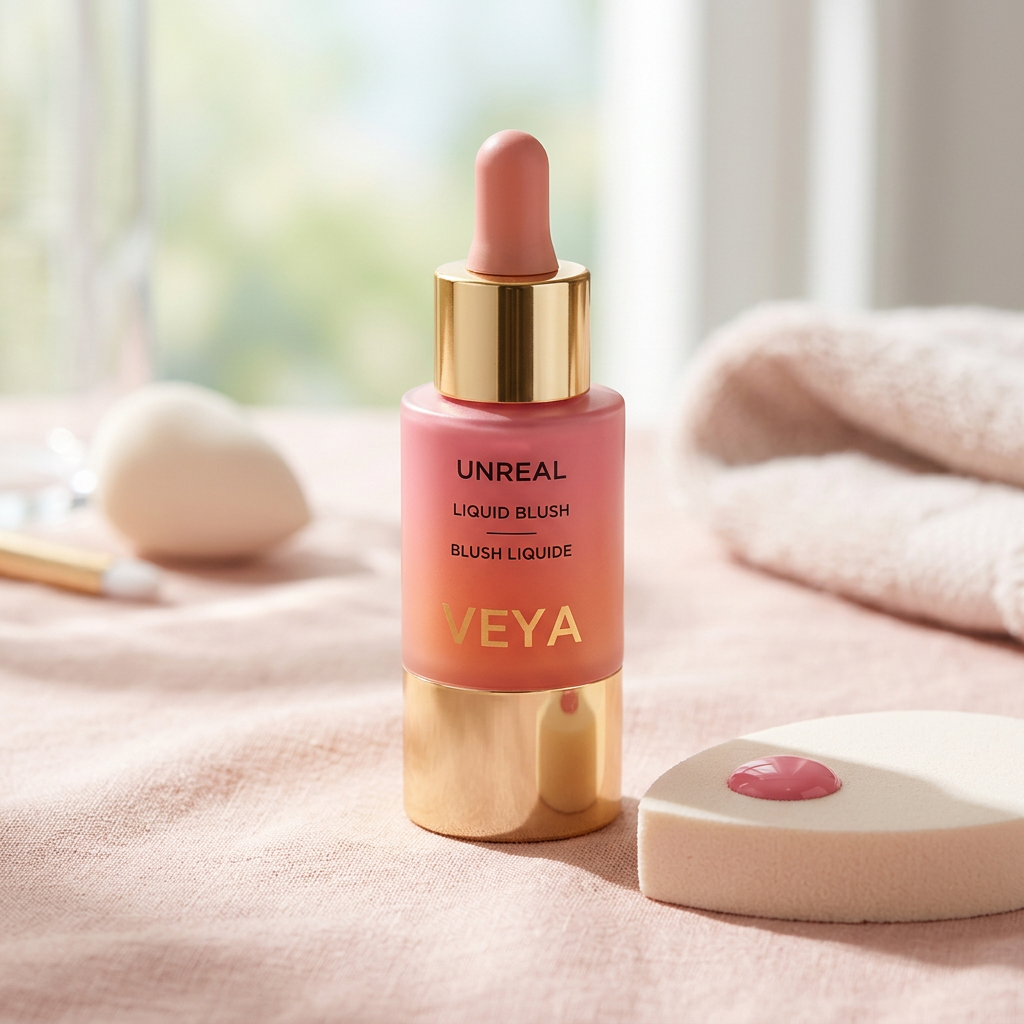
Liquid Blush Drops are built around genuinely controlled dispensing, giving the user a say in exactly how much product actually comes out.
That format suits anyone who prefers deciding how much product to apply rather than getting a large amount dumped out all at once with no way to hold back. A drop can land on the back of the hand, a makeup palette, or some other suitable surface before it ever touches the cheek, which makes the whole application process a lot more flexible than squeezing straight from a tube onto skin.
For a soft flush specifically, working with a small amount and blending it in first — before deciding whether another layer's actually needed — tends to produce a better result than committing to a heavier application upfront. The format also suits travel or compact makeup storage well, since the product only comes out as needed rather than sitting exposed.
The dispensing system really is part of the whole user experience here, not a minor detail. A product that allows genuinely controlled application makes it a lot easier to manage color intensity during a quick morning routine when there's no time to fix a mistake.
A liquid blush wand pairs the liquid formula with a built-in applicator, cutting out a step most other formats require.
That simplifies the application process meaningfully, since users don't necessarily need to pour or dispense the product separately before it ever touches skin. The wand places color directly on the cheek, and from there the user can blend it in with fingers, a sponge, or whatever other tool they prefer reaching for.
This format suits anyone who wants a genuinely straightforward makeup routine without extra steps eating into a rushed morning.
| Application method | Main characteristic |
|---|---|
| Wand | Direct product placement |
| Fingers | Quick and flexible blending |
| Makeup sponge | Soft, controlled distribution |
| Brush | More structured blending |
The wand also shapes how much product actually reaches the skin in one pass. Users do well avoiding pressing too much product into one spot right from the start — small placements blended outward first, with more color added only if it's genuinely needed, tend to hold up better than one heavy swipe. This approach keeps real control over the final finish rather than letting the applicator decide the outcome.
A liquid blush sponge helps distribute liquid color across the cheek evenly, picking up where fingers sometimes leave streaks.
The soft surface of a makeup sponge spreads product gradually rather than all at once, which helps a lot when someone wants the edges of the blush to fade out rather than stay visibly defined. A sponge also cuts down on the appearance of concentrated color pooling in one spot, the kind of patch that reads as obviously "applied" rather than natural.
Technique matters here more than people expect. Gently pressing and blending tends to work a lot better than dragging the product aggressively across the skin, which can smear color further than intended. Repeated light blending helps connect the blush into the surrounding base makeup rather than leaving it sitting as its own separate layer on top.
A sponge proves especially useful when someone wants a genuinely diffused finish, and it also helps rescue a situation where the liquid blush turned out more pigmented than expected — softening color across a wider area rather than leaving a bold patch that's hard to undo.
Placement genuinely changes the visual effect of cheek color, sometimes more than the shade itself does.
Color placed closer to the center of the cheeks tends to read as youthful and fresh, the kind of look that mimics a natural flush from cold air or a bit of exercise. Moving the placement slightly upward instead creates more of a lifted-looking effect, closer to what a cheekbone highlight might do on its own.
The exact spot really depends on face shape and personal preference more than any fixed rule. A useful approach starts near wherever natural cheek color would usually show up on that person's face, then blends outward from there rather than starting from an arbitrary point.
| Placement | General visual effect |
|---|---|
| Center of cheek | Fresh and soft appearance |
| Upper cheek | More lifted-looking effect |
| Toward the outer cheek | Connects with contour and eye makeup |
| Across the cheek area | Creates a broader flush |
There's no rule that says placement has to stay identical every single day. A casual daytime look might lean on a softer, central application, while a more defined evening style could extend the color further toward the outer cheek to work alongside contour and eye makeup.
Layering helps a lot whenever the initial application ends up looking too light for what someone actually wanted.
The common mistake is adding a large amount all at once out of impatience. That tends to make blending genuinely difficult and can leave the color sitting unevenly rather than smoothed out. A better approach builds the shade up gradually instead — apply a light layer, blend it in, take a look at the result, and only add another small amount if more color still feels necessary.
This method hands users a lot more real control over the outcome. It also keeps the final color feeling connected to the complexion rather than sitting as an obvious block of color layered on top of the base, which is the exact look most people reaching for liquid blush are trying to avoid in the first place. The same gradual approach works well across different liquid formats too, whether that's drops, a wand, or a stain-style product.
Plenty of makeup users genuinely want products that cut down on unnecessary steps rather than adding more to an already tight morning.
Liquid blush fits neatly into a short routine because the application doesn't always demand a separate powder brush pulled out and cleaned afterward. A user can apply a small amount, blend it in quickly, and move straight on to the rest of their makeup without much fuss.
This suits a morning routine before work, a simple weekend look, travel makeup packed light, a quicker evening look after a long day, or a midday touch-up squeezed in during a break. The product format shapes convenience here too — a wand supports direct application without extra tools, drops let users control the amount separately before it ever touches skin, and a sponge helps with blending whenever a softer finish feels like the priority. The right format really comes down to someone's own habits and how much control they actually want during application.
Liquid blush interacts directly with whatever's already sitting on the skin underneath it.
Dry patches, excess oil, uneven base makeup, or foundation that hasn't quite blended can all throw off how the blush actually spreads once it goes on. Preparing the skin properly beforehand makes the whole application a lot more predictable.
A simple routine cleanses and moisturizes as usual, lets those skincare products settle in fully before makeup starts, applies the chosen base makeup evenly across the face, places liquid blush gently on the cheek, and blends before deciding whether another layer's needed. The condition of that base underneath matters just as much as the blush itself — if the foundation still moves easily, vigorous blending on top can disturb it and create streaks. Gentle application helps keep the underlying makeup properly in place while the blush goes on top of it.
Blush is only ever one part of a complete makeup look, never the whole picture on its own.
The cheek color needs to work together with foundation, contour, highlighter, eye makeup, and lip color rather than fighting any of them for attention. A strong cheek color tends to stand out more when the rest of the makeup stays very simple, while a softer blush can provide balance when the eyes or lips are already getting most of the attention that day.
Texture plays into this too. A luminous liquid blush pairs naturally with other fresh-looking products carrying similar shine, while a more subdued cheek finish tends to work better when the base has a more controlled, matte appearance overall. The goal was never making every product look identical to the next. It's really about considering how color and texture move across the whole face together rather than judging each product in isolation.
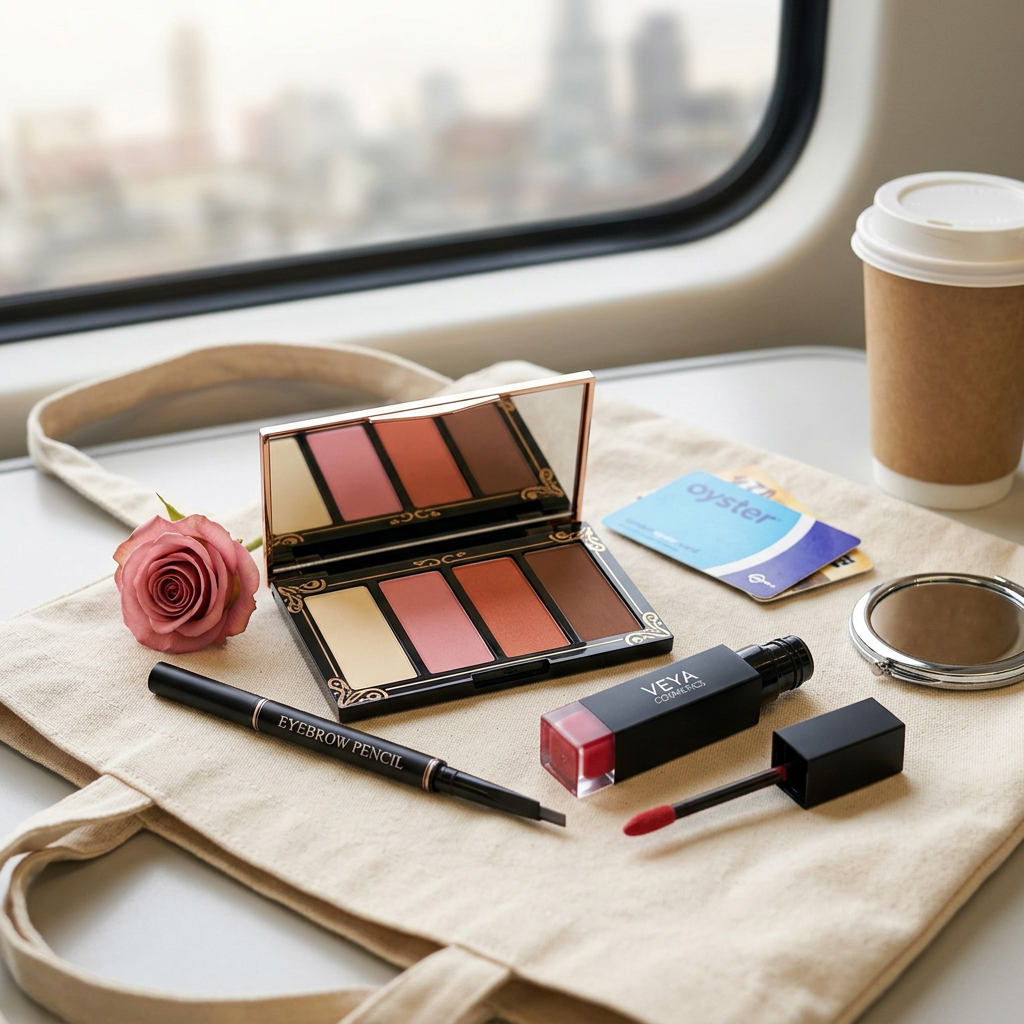
Portable makeup needs to be genuinely easy to carry and simple to use without a fuss, especially crammed into a carry-on or a small bag.
Liquid blush fits into travel routines well when the packaging stays secure and the application method stays convenient enough to manage without a full vanity setup. A wand format cuts down on needing an extra tool along for the trip. A small drop format allows controlled dispensing without worrying about spills. A sponge offers a separate option for blending whenever a softer finish feels worth the extra step.
Travel users also tend to prefer products that move easily from a handbag straight into a cosmetic pouch without a struggle. Packaging design matters just as much as the formula itself here — a secure closure, a practical applicator, and a genuinely manageable format all make a product easier to use once it's away from home.
For manufacturers, building a liquid cheek product involves a lot more than simply picking a color and calling it done.
The formula, the applicator, the packaging, the finish, and the intended user routine all interact with each other in ways that shape the final product. A formula meant for quick application probably needs a different dispensing system than one built for more detailed makeup work.
| Product element | Development consideration |
|---|---|
| Formula texture | How easily the product spreads |
| Color | How the shade appears across complexions |
| Applicator | How the product reaches the cheek |
| Packaging | How easily users carry and store it |
| Finish | How the cheek surface appears |
| Blending | How smoothly color transitions into the base |
Manufacturers also do well considering different application preferences across their actual customer base. Some users prefer direct wand placement without extra steps. Others want drops that let them control the amount themselves. A sponge-friendly formula might appeal more to users chasing a diffused, softer finish. These choices genuinely shape how a product fits into everyday makeup routines once it's actually sitting in someone's bathroom drawer.
Natural makeup doesn't necessarily mean using fewer products than a full routine would call for.
It often just means making each product feel integrated with the complexion rather than sitting on top of it as a separate layer. Cheek Liquid Blush supports that approach well when the color gets applied gradually and blended thoroughly into the surrounding makeup rather than dropped on all at once.
A Liquid Blush Stain offers a genuinely lightweight color approach for anyone who wants minimal texture on the skin. Glow Liquid Blush adds a luminous finish for those chasing a healthier-looking radiance. Liquid Blush Drops give users real control over the amount applied, while a wand simplifies direct placement without extra tools involved.
The application tool itself also shapes the final appearance quite a bit. Fingers offer flexibility for a quick blend on the go, a sponge diffuses color for a softer overall finish, and a wand places the product exactly where someone wants it without guesswork. This range of formats lets users pick a method that genuinely matches their makeup habits, their complexion, the finish they're after, and whatever their day actually looks like.
Your email address will not be published. Required fields are marked *