English
 Español
 Deutsch
Industry News

(86-579)8507 2566
Welcome to Zhejiang Weiya Cosmetics Co., Ltd.





Welcome to Zhejiang Weiya Cosmetics Co., Ltd.
Jul 27, 2026
Eyebrows occupy a central position in facial makeup because they establish the upper boundary of the face and guide attention toward the eyes. The curve of an arch or the length of a tail can shift the perceived width of the forehead and the balance between the upper and lower halves of the face. When brows appear sparse or uneven the surrounding features often lose harmony even if foundation and lip color remain carefully blended. Greater attention to brow details has become common as makeup routines move toward greater precision and longer wear. Products that combine color placement with resistance to moisture support a finished appearance that remains steady through changing conditions.
Waterproof eyebrow cream contribute to facial balance by creating a visual frame that connects the hairline to the cheekbones. The height of the arch can make the eyes appear more open while a lower placement can soften the entire upper face. Angular shapes tend to introduce a sense of structure that interacts with the line of the jaw and the width of the temples. Rounded forms often produce a gentler outline that blends more readily with softer makeup styles. Including deliberate brow work within a complete routine ensures that the upper face does not appear unfinished. Without consistent color and shape the rest of the makeup can seem disconnected because the eye naturally seeks symmetry in the brow area first. Light falling across a well-shaped brow creates subtle shadows that add quiet dimension without requiring heavy contour products. The same principle applies when brows lack definition: the absence of that shadow line can flatten the upper third of the face and reduce the impact of carefully applied eye color. Over time the practice of treating brows as an essential rather than optional step has reshaped the order of many daily routines.
Cream textures differ from pencil application because they allow color to be deposited gradually and then blended rather than drawn in single hard lines. The result tends to follow the natural direction of hair growth more closely and avoids the sharp edges that sometimes appear with firmer tools. Compared with powder the cream adheres to both skin and individual hairs creating a continuous layer that resists shifting. Powders often sit on the surface and can migrate with touch or humidity while cream remains closer to the hair shaft. Tinted gels primarily coat existing hairs and offer limited ability to fill visible gaps in the brow line. Cream can address both sparse areas and overall shape in one process. These practical differences explain continued interest in cream formats among those who prefer fewer steps and more flexible results. The smooth consistency also reduces the need for repeated layering that sometimes leaves uneven patches when drier textures are used. Application becomes a matter of placing color where it is needed and then refining the outline rather than building density through multiple dry strokes.
Soft natural-looking brows form when cream is placed lightly and then diffused so that pigment follows the existing hair pattern. The color remains visible yet does not create an abrupt border against the skin. Clean classic shapes develop through careful definition of the upper and lower edges followed by even filling of the central area. This approach produces a clear silhouette that remains steady throughout the day. Dimensional styles appear when slightly varied depths of color are layered to reflect the natural differences in hair density from the inner brow to the outer tail. Personalized outlines emerge by observing the bone structure beneath the brow and adjusting the height of the arch or the extension of the tail accordingly. The same product can support quieter daytime presentation or stronger evening definition simply by changing the amount of cream applied and the degree of blending. Occasional variation in intensity keeps the brow appearance from becoming repetitive across different makeup approaches.
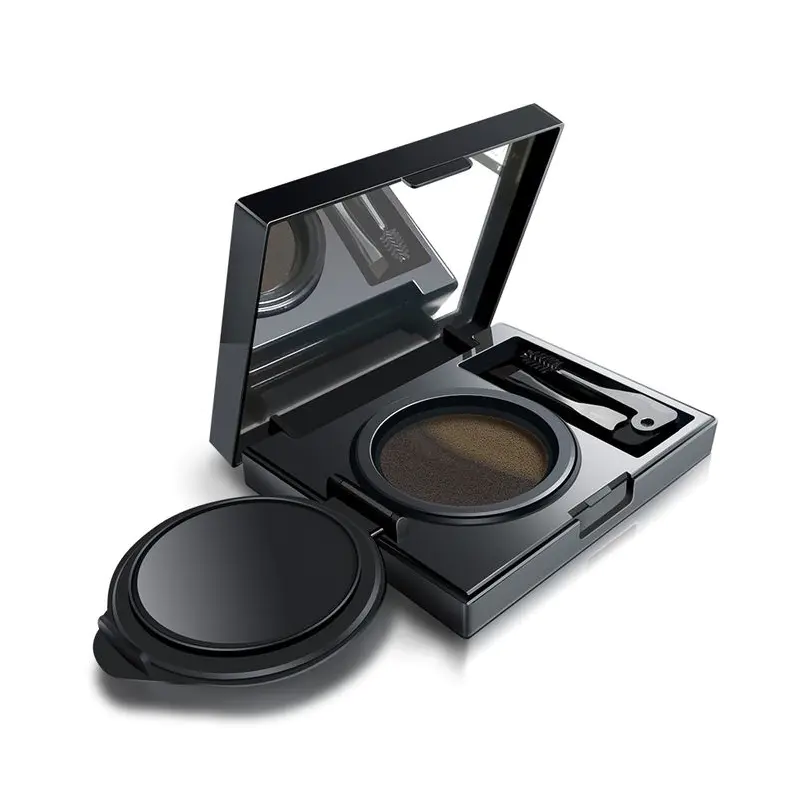
A smooth texture spreads across skin and hair without forming clumps or leaving bare patches. Consistent pigment placement prevents darker concentrations that draw attention away from the intended shape. Even distribution also supports gradual building of color so that the final density matches the surrounding features rather than overpowering them. Sculpting becomes more controlled when the cream remains workable long enough to allow precise adjustment of the arch and the outer edge. Natural depth results from the way the product settles into the spaces between hairs creating quiet variation rather than a flat block of color. This quality of texture supports repeated refinement during application until the outline sits comfortably with the rest of the face. The tactile feel of the cream influences how readily it can be moved and blended before it settles into place.
Shifts in weather including humidity and unexpected light rain place continuous demands on brow color. Extended periods away from home require makeup that continues to hold its placement despite heat or occasional contact with hands or clothing. Commuting travel and evening gatherings create similar conditions in which brows must remain intact from morning preparation through the later hours. Preference for formulas that resist moisture reflects the practical need for color and shape that do not require frequent correction. Reliability under these varied circumstances reduces concern about fading near the outer corners or loss of definition along the upper edge. The ability to maintain a steady appearance supports greater confidence in the overall makeup throughout the day.
Natural brow presentation has gained attention because it pairs readily with lighter foundation and restrained contouring. Matching the intensity of the brow to the rest of the makeup prevents the upper face from appearing heavier than the lower features. Soft transitions rather than abrupt outlines keep the result from looking rigid and allow the brow to follow the underlying bone structure. Soft finishes align with current preferences for makeup that enhances existing facial architecture instead of replacing it. Careful blending of cream ensures that color remains present yet never dominates the surrounding skin tone. The goal becomes harmony rather than isolation of the brow as a separate feature.
Color can end up patchy when the amount of pressure changes from one stroke to the next. Building the shade in thin layers one after another usually brings the tone back into line. Left and right brows often look different because one side simply receives more product or because the natural growth pattern itself is uneven. Checking both sides under the same even light makes it easier to even them out. The outer tail is the part that most often loses its shape after brushing against hair or fabric. A cream that stays put helps the length hold longer. Ordinary motions such as washing hands or pushing eyewear up the nose can blur softer textures, while a formula that grips more firmly keeps those small disturbances from spreading. Starting with clean brows and moving the product the same way the hairs grow, then tidying the edges, tends to leave a neater finish. Repeating the same careful sequence day after day gradually cuts down on the need for later fixes.
Soft, airy brows stay popular because they give an easy, approachable feeling. Sharper, more defined shapes come back into view whenever makeup overall turns more structured. Minimalist looks ask for brows that still give clear shape so bare or lightly covered skin does not look unfinished, yet stay light enough that they never weigh the face down. Choosing a personal outline becomes a quiet way to show individual preference, letting each face settle into a contour that feels chosen rather than copied. Because tastes keep moving between these directions, formulas that can shift intensity and shape without forcing one fixed look remain useful.
When time is short, a product that goes on quickly fits the schedule better than tools that need careful lining. The same cream can handle both soft and more defined styles, so it works across different days without switching products. Once the brows are set, the rest of the face—simple foundation and lash color included—looks more finished. Putting shape, color, and resistance into one step keeps the routine practical. The cream also allows small changes in intensity or outline without needing a new set of tools each time.
| Aspect of Brow Work | Soft Natural Direction | Structured Direction |
|---|---|---|
| Application focus | Light blending along existing hair growth | Careful definition of upper and lower edges |
| Finish quality | Soft diffusion of color into surrounding skin | Continuous clean outline with even density |
| Suitability | Lighter overall makeup approaches | More defined facial makeup presentations |
| Adjustment method | Gradual increase of intensity through layering | Controlled placement followed by edge refinement |
Eyebrow makeup shapes the upper face and adds quiet polish to a finished look. Waterproof Eyebrow Cream brings shaping, coloring, and moisture resistance together in a form that works across different styles. As attention stays on brow details, products that offer these combined qualities continue to fit into everyday routines. Zhejiang Weiya Cosmetics Co., Ltd. develops and manufactures cosmetic formulations meant for steady daily use, with care given to texture, adhesion, and wear under ordinary conditions.
Your email address will not be published. Required fields are marked *

Oct 26,2026