Have you ever swiped on a lip gloss that looked appealing in the tube but felt sticky, heavy, or just uncomfortable within an hour? Plenty of buyers run into products that lose their shine fast or never quite create that smooth lip look they were picturing. Picking a suitable formula gets confusing when every product on the shelf claims a different texture and finish. Getting a handle on what goes into a Plump and Shine Lip Gloss helps consumers see how ingredients shape shine, comfort, and overall appearance. It also makes a comparison like Velvet vs. Satin Lipstick a lot easier to work through when picking a lip product that actually fits personal taste.
Lip gloss has become a regular part of a lot of makeup routines because it changes the look of the lips without any complicated application steps involved. That said, how gloss actually feels while wearing it comes down almost entirely to what's mixed into the formula. Ingredients decide whether a product feels smooth, builds a reflective surface, or plays nicely with other makeup already on the lips.
Why Does Lip Gloss Formula Matter When Choosing a Lip Product?
What Problems Do Buyers Often Face With Lip Gloss?
A lot of consumers pick lip gloss based on the color swatch or the packaging, then discover later that the texture doesn't match what they expected walking out of the store. A gloss can look great sitting in its container and feel completely different once it's actually on the lips.
Stickiness comes up as one of the more common complaints. Some people genuinely enjoy a richer, heavier texture, while others want something lighter that won't get in the way during a busy day. The formula structure decides how the product sits on the lips and how comfortable it stays hour after hour.
Uneven application causes headaches too. A gloss that doesn't spread smoothly can bunch up around certain spots on the lips. That throws off the overall look and makes the whole thing feel less natural.
The Fix Starts Here
The fix usually starts with understanding the ingredients themselves. Once buyers know how different components shape texture and finish, they can make choices based on what they actually need instead of just going off how a product looks on a shelf.
Why Does Formula Understanding Help Consumers?
Lip gloss comes together through a combination of different ingredient groups, each one contributing its own piece of the wearing experience.
Some ingredients shape shine. Others affect softness, how the product moves across the lips, or how long it stays put. A formula isn't built around one single ingredient but around how several components work together.
This kind of understanding matters because people walk in with different expectations. Someone after a subtle everyday look might reach for a lightweight gloss. Someone chasing a noticeably glossy effect might go for something richer.
Knowing the basics behind a formula lets consumers zero in on what matters to them personally, whether that's comfort, appearance, or how well it layers with other makeup.
What Ingredients Create the Shine and Smooth Texture?
Oils and Comfort
Oils show up in a lot of lip gloss formulas because they help the product glide on smoothly. They let the gloss move easily across the lips and contribute directly to that glossy surface everyone's after.
Different oils create different sensations on the lips. Some formulas feel light and silky, while others build a richer, denser texture. The oils chosen affect how the gloss feels the moment it goes on.
Balance matters here. Too much slip can make a gloss feel uncomfortable, while too little can make it drag instead of glide.
Texture Ingredients
Texture ingredients control how a lip gloss feels while it's being worn. They decide whether the product spreads easily, feels thick, or settles into a softer finish.
A gloss with a smooth texture tends to apply more evenly across the lips, which makes the whole process easier. A thicker texture can build a stronger glossy look but might feel noticeably different while wearing it through the day.
Texture explains a lot of why two lip glosses that look nearly identical in the tube can feel worlds apart once applied.
Color Ingredients
Color ingredients decide whether a gloss builds a clear shine, a soft tint, or a stronger lip color altogether. The amount and type of pigment used shapes the final appearance.
A transparent gloss mostly plays up the natural look of the lips as they already are. A tinted gloss adds more visual interest while still keeping that glossy finish intact.
Shine and color work off each other too. A glossy surface can make even a light tint look more dimensional than it would sitting flat.
How Does Lip Gloss Create a Fuller-Looking Lip Effect?
SHINE
Why Does Shine Change Lip Appearance?
Plenty of people reach for glossy lip products because they create the look of smoother, fuller lips. Most of that effect comes down to how light bounces off the surface. A glossy layer reflects light in a way that makes the lips look more defined. That reflective finish adds visual depth and can draw attention to certain areas of the lips. None of this means the physical shape of the lips actually changes. The appearance shifts because of the surface effect the product creates, not because anything underneath is different. How the gloss gets applied plays into this too. Adding it to specific spots can build more dimension and change how the lips read overall.
PLUMP
How Do Plumping Gloss Products Work?
Plumping gloss products are built to create a fuller-looking appearance, mostly through visual effects rather than any real change to the lip's physical structure. Some formulas create a noticeable tingling or warming sensation right after application. People often connect that feeling with a plumping effect happening in real time. The overall look depends on a mix of factors, including the gloss texture, how light reflects off it, and how it's applied in the first place. Understanding this helps buyers keep their expectations grounded. A gloss can enhance the look of the lips while still functioning as exactly what it is, a cosmetic product built around appearance.
How Is Lip Gloss Different From Lipstick Finishes?
Why Do Different Lip Products Create Different Effects?
Lip gloss and lipstick serve different roles inside a makeup routine. Both are meant to enhance the lips, but their formulas produce noticeably different visual results.
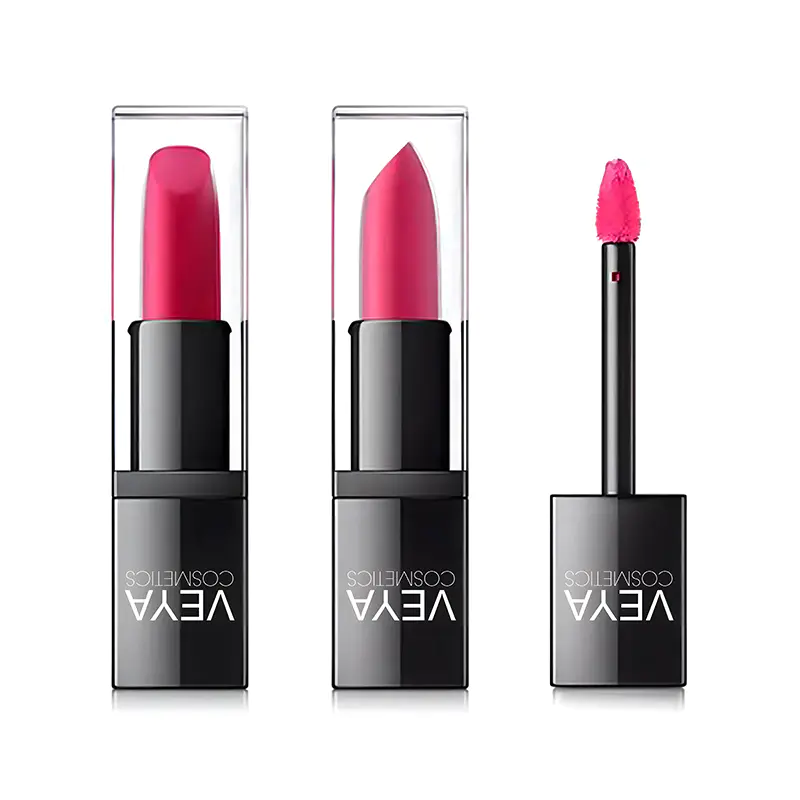
Lip gloss centers on shine and surface reflection. It usually builds a smooth layer that catches light and gives the lips a fresh, dewy look. Lipstick tends to focus more on color coverage. It defines the shape of the lips and builds a stronger, more solid color effect.
That difference traces back to the balance of ingredients. Gloss formulas usually lean on components that support shine and movement, while lipstick formulas rely more on materials that build a solid color layer.
What Is the Difference Between Velvet vs. Satin Lipstick?
| Finish Type |
Appearance |
Feel |
Best For |
| Velvet Lipstick |
Soft, blurred appearance |
Smooth visual effect, minimal shine |
A refined look without reflective finish |
| Satin Lipstick |
Balanced between color and smoothness |
Gentle surface finish with subtle sheen |
Balance of coverage and polish |
| Lip Gloss |
Glossy, reflective surface |
High shine, dewy effect |
Standalone or layered for extra dimension |
The comparison between Velvet vs. Satin Lipstick usually comes down to texture and finish. Velvet lipstick typically builds a soft, blurred appearance with a smooth visual effect. Satin lipstick tends to strike a balance between color and shine. Lip gloss brings a third effect into the mix by focusing purely on reflection and a glossy surface.
Picking between these finishes comes down to personal style, daily makeup habits, and comfort. Someone who likes a soft, blurred look might reach for velvet. Someone chasing a smoother shine might lean toward satin or gloss instead.
Can Lip Gloss Be Used With Other Lip Products?
Plenty of consumers use lip gloss as part of a layered routine. Applying gloss over lipstick changes the look by adding shine and building more visual depth. A matte lipstick can look softer once paired with gloss. A satin lipstick can pick up extra reflection under a light layer of gloss on top.
The order of application matters here too. Applying color first and gloss afterward opens up different combinations depending on the desired result. This flexibility explains a lot of why lip gloss stays popular. It works as a simple standalone product or slots into a more detailed, layered makeup style depending on the day.
How Can Buyers Choose a Lip Gloss That Fits Their Routine?
Texture During Daily Use
Texture ranks as one of the biggest factors when picking out a lip gloss. A product might look appealing on the shelf but still feel wrong if the texture doesn't line up with daily habits.
People who lean toward a natural makeup style often look for glosses that feel comfortable and easy to apply without much fuss. Others prefer a richer texture because it builds a more noticeable glossy look. Thinking through texture before buying cuts down on disappointment later.
Finish and Makeup Style
The finish of a lip gloss shapes the overall makeup impression it leaves. A clear glossy finish tends to create a fresh, simple look. A tinted gloss adds color while still feeling lighter than a lot of traditional lip products.
A more reflective finish suits occasions where the lips are meant to stand out as part of the makeup look. Different finishes let consumers adjust their appearance without overhauling their entire routine.
Application Habits
How a lip gloss gets applied shapes both its look and its feel. A thin layer creates a natural effect, while building up more product creates a stronger shine. The condition of the lips before applying also plays a role. Smooth lips let the gloss spread more evenly without catching on dry patches.
Some people apply gloss straight onto bare lips, while others pair it with lip liner or lip color underneath. Paying attention to application habits helps consumers get results that actually match what they were expecting going in.
What Should Consumers Look for on a Lip Gloss Label?
Why Are Ingredient Lists Important?
Ingredient lists give buyers useful information about exactly what they're putting on their lips. They lay out the components in the formula and help shoppers understand what to expect.
Cosmetic ingredient names can look unfamiliar at first glance, but consumers don't need to memorize every term. Focusing on general categories works fine, since oils, texture components, color materials, and conditioning elements each shape a piece of the final experience.
Ingredient awareness has turned into a bigger part of beauty shopping overall, as more consumers want a clearer picture of what they're actually applying to their skin.
How Can Buyers Understand Formula Claims?
Product descriptions often highlight shine, softness, or a fuller-looking appearance. Consumers should treat these as explanations of the intended effect rather than promises carved in stone.
A gloss built for a fuller-looking appearance works through visual enhancement, nothing more mysterious than that. A product labeled moisturizing usually just points to ingredients meant to keep the lips feeling comfortable.
Understanding these descriptions helps buyers set expectations that actually match reality. The final result still varies depending on lip condition, application method, and personal preference.
Why Is Personal Preference Important When Choosing Lip Gloss?
No single formula works the same way for every single person. Lip products interact differently depending on individual preferences and daily routines. Some people care most about comfort. Others focus on color, shine, or how well the gloss layers with other makeup they're already wearing.
A buyer who understands their own needs tends to land on more suitable choices. Factors like preferred texture, desired finish, and application habits all shape how satisfied someone ends up feeling with a purchase. Choosing a lip gloss isn't just about chasing trends. It comes down to finding a formula that fits personal style and everyday use.
How Is Lip Gloss Changing With New Beauty Preferences?
TREND
Why Are Consumers Paying More Attention to Formulas?
Beauty choices keep tying more closely to personal preferences and daily habits. Plenty of consumers no longer pick lip products based purely on color or packaging anymore. They want to understand how a product feels, how it fits into their routine, and why certain ingredients made it into the formula in the first place. Lip gloss formulas get more scrutiny these days because users notice the difference between products once they're actually applied. This shift has pushed more conversation around ingredients and product design. Understanding what builds shine, texture, and comfort helps buyers look past surface appearance.
RANGE
How Are Lip Gloss Textures Becoming More Diverse?
Lip gloss isn't limited to one single type of glossy finish anymore. Different textures get built to match different preferences across the board. Some formulas focus on a lightweight feeling suited to everyday makeup routines. Others build a richer appearance with a stronger, more noticeable glossy effect. This variety lets consumers pick products that actually fit their own habits. This range also lets lip gloss work across different makeup styles altogether — supporting a natural everyday look, adding dimension over lipstick, or becoming the main feature of a bolder makeup look.
AWARE
Why Does Ingredient Awareness Matter in Beauty Choices?
Consumers are getting more careful about what they put on their skin and lips these days. They want clearer explanations of ingredients and what those ingredients are actually doing in the formula. Ingredient awareness doesn't require memorizing every cosmetic term out there. Understanding a few basic categories already helps buyers compare products more effectively. Oils shape smoothness, color ingredients shape appearance, and texture components shape how the product actually feels while worn. As beauty conversations keep evolving, ingredient knowledge turns into a genuinely useful tool for consumers who want a more thoughtful approach to shopping.
How Can Understanding Lip Gloss Formula Improve Buying Decisions?
Why Should Buyers Look Beyond Packaging?
Packaging usually creates the first impression of a beauty product, but it never tells the whole story about the actual wearing experience. A visually appealing product can still feel completely different once it's applied.
The formula decides the details that actually matter — things like texture, shine, and comfort. Those factors shape whether a consumer keeps reaching for the product regularly or lets it sit in a drawer. Looking past the packaging helps buyers focus on what's practical.
How Does Formula Knowledge Support Better Comparisons?
Comparing lip products gets a lot easier once consumers understand how different formulas actually work. Instead of treating gloss, lipstick, and other finishes as competing against each other, buyers can see how each one creates its own distinct effect.
Lip gloss brings shine and a reflective surface to the table. Velvet lipstick builds a soft, blurred appearance. Satin lipstick strikes a balance between color and smoothness. These differences let consumers pick products based on the occasion, the makeup style they're going for, and their own personal comfort.
Why Does Lip Gloss Remain Popular Among Makeup Users?
Lip gloss keeps attracting consumers because of how flexible it is. It builds a simple everyday look on its own or adds extra dimension to a more detailed makeup routine. Its ability to work solo or layered with other lip products makes it suitable across a lot of different routines.
The appeal of lip gloss comes from the mix of appearance and feel. The glossy surface catches the eye, while the comfortable texture shapes how someone feels wearing it throughout the day.
For anyone exploring products like Plump and Shine Lip Gloss, understanding the formula behind that shine gives a clearer way to shop. The ingredients inside shape the texture, finish, and overall wearing experience. Once buyers understand these details, they can compare options with more confidence and pick lip products that actually match their preferred style, including choices between different gloss finishes and lipstick textures such as Velvet vs. Satin Lipstick. Lip gloss isn't just a cosmetic product that adds shine to the lips. It's a combination of carefully balanced elements built to create a specific look and a specific feeling while wearing it.
 English
 Español
 Deutsch