English
 Español
 Deutsch
Industry News

(86-579)8507 2566
Welcome to Zhejiang Weiya Cosmetics Co., Ltd.





Welcome to Zhejiang Weiya Cosmetics Co., Ltd.
Oct 27, 2026
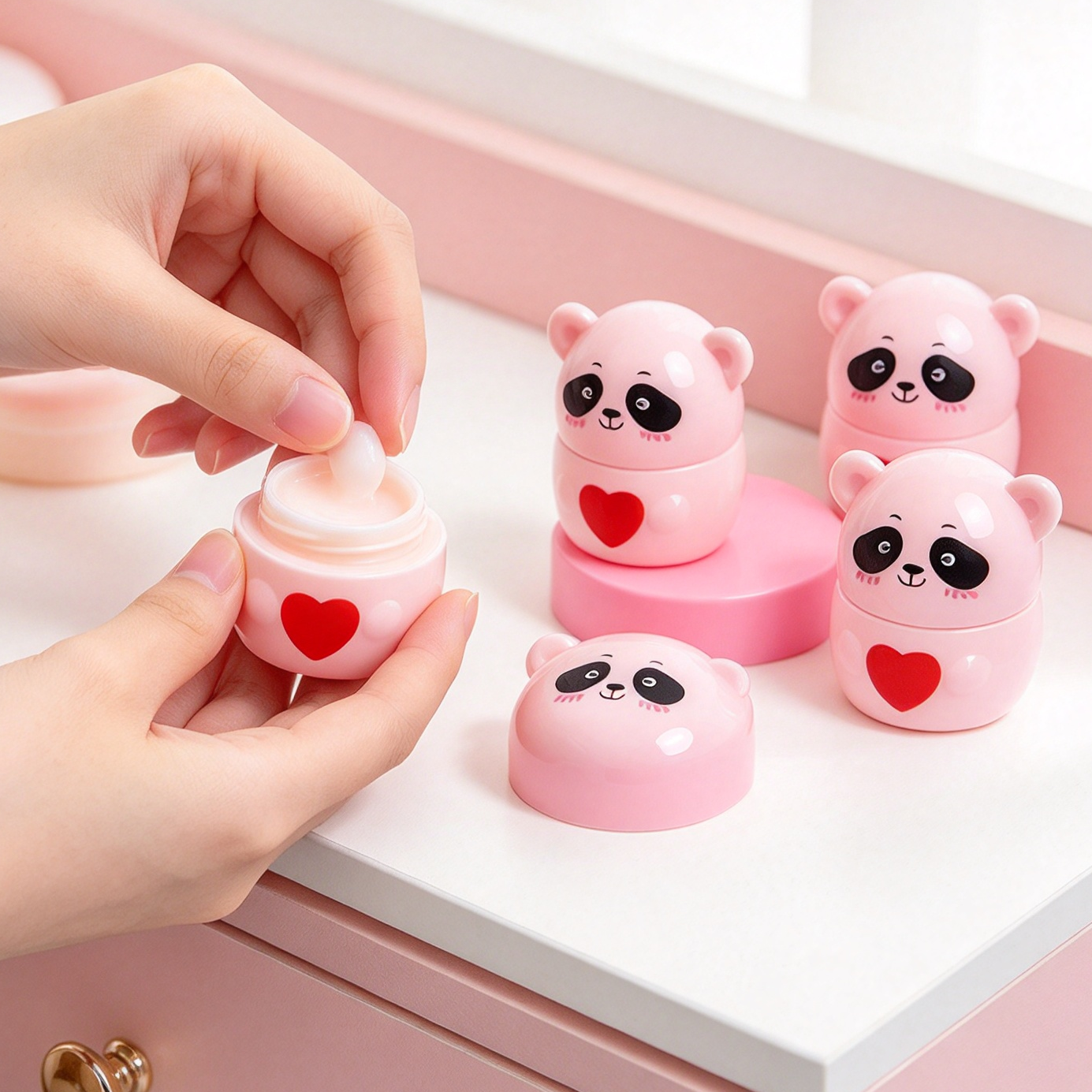
Open a jar of balm at a bus stop, and your fingers have just touched a phone, a handrail, and a bag strap. The wide opening makes soft, creamy formulas easy to reach. It also gives dirt an easy way in.
A lip balm jar meets fingers, tools, surfaces, and air every day. A small lip balm may ride in a coat pocket, while a compact lip balm sits in a handbag between keys and coins. A lip care balm in any of these formats stays cleaner when handling, storage, and packaging work together.
Fingers carry oil, dirt, and microorganisms from everything they touch. An applicator left on a desk or tossed into a bag can bring that material into the balm. A shared jar adds even more variety, since each person introduces something different.
A balm can look normal while still being contaminated. Changes in smell, color, or texture are warning signs, but their absence is not a guarantee. Preservation systems also differ between formulas, so follow the directions on your product instead of assuming every balm has the same protection.
Some cosmetic products include ingredients that help limit microbial growth, while others are more sensitive to repeated handling. Packaging cannot tell you which is which, so the label and the brand's instructions matter. A formula designed for tube dispensing may not tolerate fingertip dipping as well as one made for jars.
Clean habits reduce unnecessary contact with the formula. They do not replace sound formulation, careful manufacturing, or suitable storage, but they are part of responsible daily use.
Using a fingertip is common and practical when hands are clean. The trouble is what the fingers touched before reaching the jar. Door handles, keyboards, phones, and shopping bags all leave residue on the skin.
A short routine helps:
Sanitizer can help when water is not available. It does not replace washing hands that are visibly dirty, and it must dry fully before you touch the product.
Touching your lips and then returning to the jar moves saliva into the remaining balm. The same applies after eating or drinking. Take the amount you need, close the lid, and apply it afterward.
For a small lip balm kept in a pocket, it is tempting to open and apply wherever you are. If clean water is unavailable, a dedicated clean applicator is a more careful choice than a bare fingertip.
A clean scoop keeps fingers out of the formula, which helps when hands cannot be washed. It only works if the tool stays clean. A scoop set down on a bathroom counter or dropped into a bag can bring in more dirt than a washed fingertip would.
Take the needed amount, place it where you can apply it, and keep the tool away from the remaining product. Never return a used applicator to the jar. Balm that has touched a finger, tool, or lip can carry that material back into the container.
| Tool Type | Hygiene Consideration |
|---|---|
| Small scoop | Clean before each use |
| Cosmetic spatula | Wipe the part that touches the balm |
| Disposable applicator | Use once, then discard |
| Reusable lip brush | Clean and dry per its care instructions |
| Shared applicator | Avoid sharing |
Each option works when it is handled with care. A tool needs its own clean place between uses, not a loose spot in a makeup pouch.
Match the method to the material. A washable silicone scoop may handle soap and water, while a brush needs more attention because balm collects between the bristles. Rinse away cleaning product, then let the tool dry completely. Moisture left on an applicator can end up in the balm.
Cleaning and disinfection are different steps. Cleaning removes residue and dirt, while disinfection uses a suitable method to reduce certain microorganisms. Harsh chemicals can damage some materials or leave residue, so follow the maker's instructions.
Store clean tools in a small case or separate compartment. A brush that stays damp or develops an odd smell should not touch your balm.
Small habits add up over weeks of use. Check this list against your own routine:
If contamination is suspected, scraping off the surface layer is not enough. When the condition of the product is uncertain, stop using it and follow the product guidance.
A lid that does not close fully lets dust, makeup residue, and bathroom moisture reach the balm. Before dropping the jar into a bag, check that it is closed. A compact lip balm that opens in a pocket picks up lint and grit quickly.
A wide opening gives easy access, but it exposes more formula whenever the lid is off. A well-fitting lid protects against dust and accidental contact, and the container material should suit the formula. A portable shape that is easy to open without spilling also helps when the product travels.
| Packaging Feature | Practical Role |
|---|---|
| Secure lid | Protects contents between uses |
| Suitable opening | Allows access with less handling |
| Compatible material | Works safely with the formula |
| Clear instructions | Explains how to apply the product |
| Portable shape | Reduces accidental opening in transit |
Packaging should not promise protection from all contamination. Hygiene depends on formulation, production conditions, closure design, storage, and user behavior together.
Heat from a parked car, a radiator, or direct sunlight can soften a formula and change its texture. A shelf beside the bathroom sink collects splashes and residue from other products. A clean, dry drawer suits many products, though the storage directions on the label should decide.
For carrying, keep the jar in a separate pouch away from keys, coins, and used makeup tools. Check the lid before it goes in. If the product states a period of use after opening, follow that guidance instead of judging by how much balm remains.
Clear directions make jar packaging easier to use correctly. Brands can state whether the product is meant for fingertip use or an applicator, how to close the lid, and how to store it. Plain wording works better than broad claims that a jar is fully protected.
Packaging suppliers can also test the customer experience during development. They can check that the lid closes securely, that the opening allows controlled dispensing, and that any included scoop is practical to clean. With simple habits and honest information, users can enjoy the convenience of a jar while taking reasonable care of the product inside.
Your email address will not be published. Required fields are marked *

Oct 26,2026