English
 Español
 Deutsch
Industry News

(86-579)8507 2566
Welcome to Zhejiang Weiya Cosmetics Co., Ltd.





Welcome to Zhejiang Weiya Cosmetics Co., Ltd.
Aug 19, 2026
Skin can look fresh right after makeup goes on in the morning, yet a few hours later the T-zone often turns shiny and the foundation loses its neat finish. This pattern shows that not every primer controls oil in the same way. Different primers target hydration, smoothing, shine reduction, or wear time. For skin that tends to produce oil, an Oil Control Face Primer lines up the pre-makeup step with the need for a longer-lasting base.
Primers address different concerns. Some focus mainly on adding moisture. Others work on evening out texture. Still others aim to cut down visible shine. The choice therefore rests on skin type and the look desired. Oily skin benefits from a light, fresh feel, a surface that shows less shine, and a steady base for foundation. Heavy skincare layers right before makeup are better avoided so the surface stays calm.
The oil-control focus suits skin that turns greasy during the day and helps keep a cleaner, less shiny appearance, especially across the T-zone. The texture stays light so the face does not feel weighed down and the pre-makeup steps stay simple. Foundation spreads more evenly over a surface that is less oily, which reduces sliding in certain spots and leaves a neater look from the start.
The sides of the nose, the forehead, and the area between the brows often become shiny first. Product can be placed only where it is needed rather than across the whole face. Long days of office work, commuting, shopping, or evening events all test how long a base stays fresh. High temperatures raise oil production, so summer makeup benefits from a step that keeps the surface less greasy. An Oil Control Face Primer fits that summer base routine.
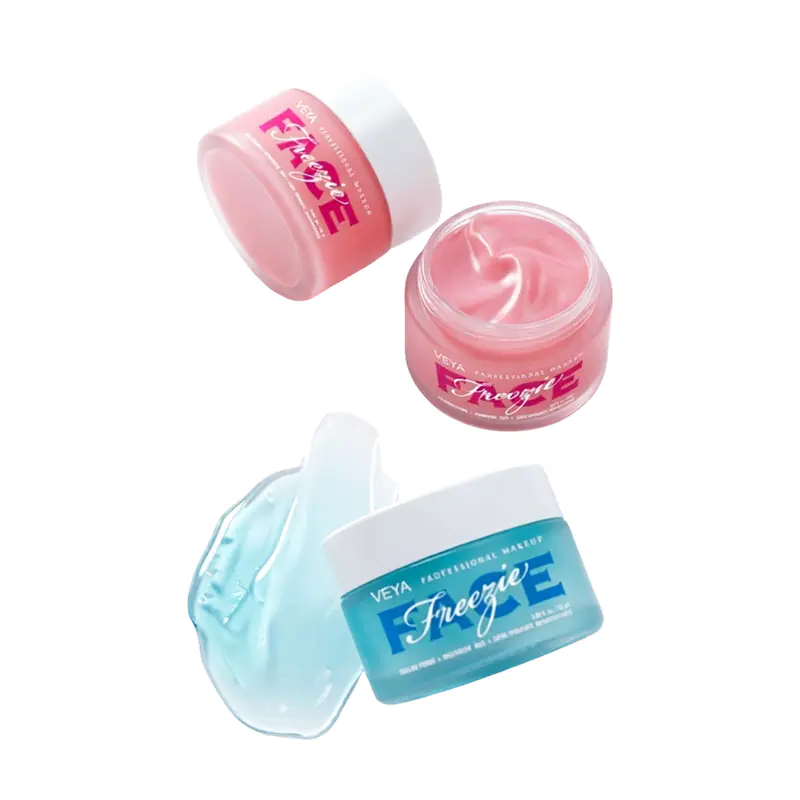
Excess oil can change the intended finish of foundation. An oil-control step helps the surface stay fresher and more matte. Foundation then moves more evenly across the face and is less likely to shift or slide in isolated areas. The goal is not to stop all oil production but to manage visible shine and support a natural, clean appearance that lasts longer into the day.
A thin, even layer is enough. Starting with a small amount and adding only where needed prevents a heavy feel. Attention stays on the oil-prone zones such as the T-zone, the sides of the nose, and the forehead. Time is left for the primer to settle so the surface feels comfortable before foundation is applied.
Skin is first cleansed to remove surface oil and residue so it feels fresh. A light moisturizer follows even on oily skin, because hydration is still useful, yet heavy textures are skipped before makeup. The primer is then applied in a thin layer focused on shine-prone areas. A short pause lets it set without repeated rubbing. Foundation is finally applied in small sections and built only as needed.
Skin that shows shine across the nose and forehead and prefers a fresher look gains the most. Long wear days at work, outings, or events also benefit. Summer heat, humidity, and outdoor time increase oil, so the step becomes more useful. Those who prefer a natural matte finish and dislike an overly shiny face find the approach matches that preference.
Oil control addresses the needs of shine-prone skin and helps create a fresher surface before makeup. The lightweight feel keeps the pre-makeup routine simple and comfortable. The formula works as a preparatory step that lets foundation sit more evenly. Everyday convenience means it fits regular makeup habits without extra complication.
| Situation | Main Focus |
|---|---|
| Long workdays | Steady freshness through office hours |
| Summer heat | Less visible shine under high temperatures |
| Commuting and outings | Clean look with limited touch-ups |
| Evening events | Natural matte finish that holds |
| Outdoor activity | Surface that stays less greasy |
Why does the face still become oily after primer?
Can an oil control face primer be used every day?
Should the primer cover the entire face?
Does the primer help foundation last longer?
Is the primer suitable for combination skin?
Oiliness after primer does not mean the step was useless; it often means the product did not match the skin’s need for shine control. For skin that tends to produce oil, the priming step can shift from simple hydration toward managing shine, keeping a fresh feel, and supporting the foundation that follows. Oil Control Face Primer helps control shine, leaves a comfortable light sensation, prepares the surface for foundation, and fits both everyday wear and summer looks. Zhejiang Weiya Cosmetics Co., Ltd. develops formulations that support these practical goals with attention to a steady, fresher base under ordinary conditions.
Your email address will not be published. Required fields are marked *
Oct 05,2026