English
 Español
 Deutsch
Industry News
Home / Blogs / Industry News / Cleansing as Step One: How Mild Touch Cleansing Oil Preps Your Skincare Routine

Welcome to Zhejiang Weiya Cosmetics Co., Ltd.





Aug 12, 2026
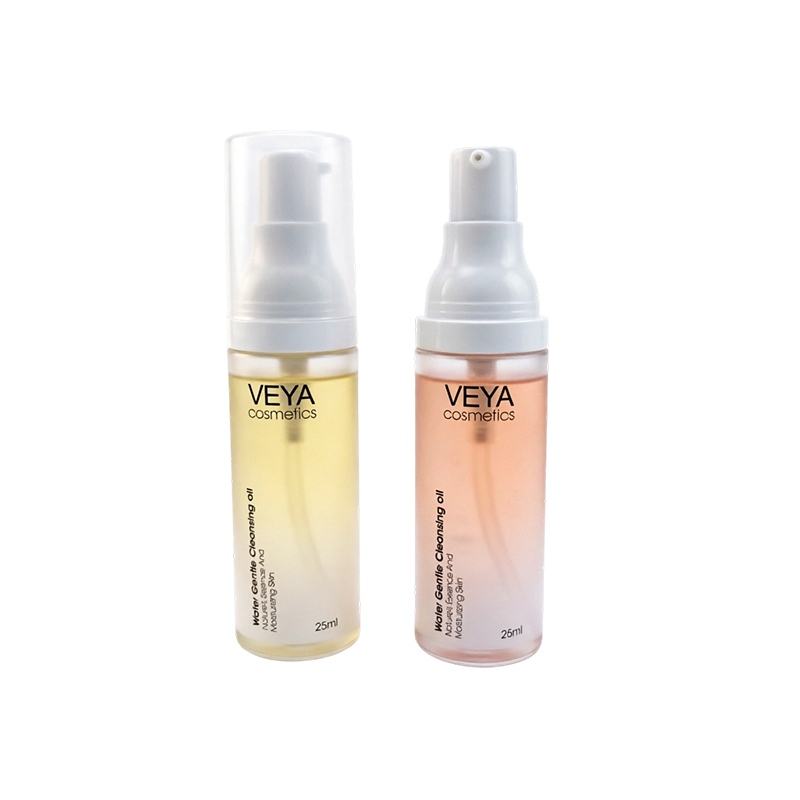
Get home after a twelve-hour day, and the face looking back in the bathroom mirror rarely matches the one that left the house that morning. A skincare routine really starts here, not with a serum or a fancy treatment, but with clearing away everything the day left behind. Mild Touch Cleansing Oil takes an oil-based approach to that first step, working through makeup, sunscreen, natural skin oil, dust, and general daily residue to leave a genuinely clean surface before anything else touches the skin.
Cleansing might look like the throwaway part of a routine, but how it actually gets done shapes the whole experience that follows. People come to this step with different habits, different skin types, and different product preferences already in place, which means a cleansing oil needs to slot naturally into real everyday life. Texture, fragrance, how it applies, how easily it comes off, and how it plays with whatever comes next all factor into whether it actually works for someone.
Skin faces a lot over the course of an average day.
Sunscreen sits on the face for hours at a stretch. Makeup stays put through work meetings, commutes, errands, whatever the day involves. Natural oil mixes in with products already sitting on the surface. By the time evening rolls around, skin genuinely feels different than it did after that morning's routine.
| Daily Exposure | What Tends to Build Up |
|---|---|
| Makeup | Cosmetic residue sitting on skin |
| Sunscreen | Protective formula leftover |
| Natural skin oil | Surface oil mixing with other products |
| Outdoor activity | Dust and general environmental particles |
| Earlier skincare products | Formulas applied earlier in the day |
Cleansing clears this buildup before anything else gets applied. The point isn't scrubbing aggressively or leaving skin feeling stripped and dry. A cleansing routine that actually works removes unwanted residue while staying comfortable enough that someone actually wants to keep doing it every night.
Once that residue is gone, whatever comes next, moisturizer, serum, other steps, has a genuinely clean surface to work with.
Washing with just water works differently than cleansing with oil.
Plenty of makeup and sunscreen formulas are built specifically to stay on skin through daily activity, which means a quick splash of water alone often doesn't fully remove them.
Spread gently across the face, a cleansing oil works into areas where makeup, sunscreen, and surface oil have settled in. Once that residue loosens up, it comes off following whatever the product's own directions actually specify.
That's exactly where a Face Oil Makeup Remover earns its place in an evening routine. Instead of leaning on repeated rubbing to get makeup off, someone lets the cleanser do the actual work, keeping their own movements light and gentle throughout.
The exact process varies from product to product. Some cleansing oils shift texture once water gets added, turning milkier as they rinse away. Others follow a different removal method entirely. Following whatever a specific product actually recommends matters more than assuming every oil cleanser works identically.
Texture shapes a lot of how comfortable a cleansing product feels during actual daily use.
Some people gravitate toward a richer oil that spreads into a smooth layer across the skin. Others prefer something lighter that rinses away without much lingering feel.
A Fine Cleansing Oil appeals to anyone who wants the real benefits of oil cleansing without a heavy, weighed-down sensation while applying it. That lighter texture makes even spreading easier, which in turn cuts down on the temptation to press too hard while working through stubborn makeup.
Personal preference plays a real role here. What feels comfortable to one person can feel completely different to someone else. How much product gets used, how it's applied, and how it comes off afterward all shape the final feel on skin.
For manufacturers, texture isn't just a cosmetic detail tacked onto a formula. It genuinely shapes the whole user experience and determines whether a product ends up sticking as part of someone's actual daily habit.
Fragrance has turned into a real talking point in personal care products generally.
Some people enjoy a scented cleansing step because that fragrance adds something to the overall sensory experience. Others prefer something simpler, without any added scent competing for attention.
An Oil Cleanser Fragrance Free option suits anyone who'd rather skip fragrance entirely as part of their cleansing routine. That doesn't mean fragrance-free automatically works better for everyone across the board, though. Individual preference and how someone's own skin responds still matter a lot when picking any skincare product.
A few things worth weighing when comparing cleansing oils:
Working through these factors shifts the decision away from broad marketing claims and toward what genuinely fits daily life. Checking product labels and usage instructions before buying remains worth the extra minute it takes.
Skincare routines look wildly different from person to person.
Someone might keep things simple with just cleansing and moisturizer. Someone else runs through several products every single evening. A regular makeup wearer faces different cleansing needs than someone who barely wears cosmetics at all.
A Universal Cleansing Oil works well for people looking for one flexible cleansing product that covers a range of daily situations. What really matters is whether that product's intended use actually lines up with how someone genuinely lives.
Someone wearing makeup daily might lean on cleansing specifically to clear cosmetic residue before moving into the rest of their nighttime routine. Someone who mostly wears sunscreen has a slightly different reason for reaching for an oil cleanser. Someone else might just prefer how an oil-based product feels on their skin, independent of what they're removing.
None of this needs to turn complicated. Cleansing can stay a simple, straightforward step before moisturizer or whatever else follows in someone's personal routine.
That simplicity matters to manufacturers and retailers too. Products that are easy to understand and easy to fold into an existing habit tend to appeal more broadly than ones demanding a whole new, complicated process.
Stubborn makeup sometimes tempts people into rubbing harder than they really need to.
That extra force doesn't actually improve the result. It just makes the whole process feel rougher and less pleasant than it needs to be.
A cleansing oil offers a different path entirely. Spread across areas where makeup and sunscreen linger, it lets someone work with that residue instead of relying mainly on friction to force it off.
A workable process tends to look something like this:
The eye area deserves extra care here, since it's more sensitive than most other parts of the face. Getting any cleansing product directly into the eyes should be avoided unless it's specifically formulated for that use.
The whole point of cleansing is removing unwanted residue without turning the process harsh or uncomfortable. A gentler application makes the habit a lot easier to stick with over time.
Nighttime skincare usually kicks off with removing whatever the day's products left behind.
Makeup and sunscreen have already done their job by evening, and most people don't want them lingering on skin while they move through the rest of their nighttime steps.
That's exactly where cleansing oil offers a genuinely convenient transition. It clears away surface residue and creates a natural dividing line between the day's activities and the evening's skincare.
A Treatment Cleansing Oil might get positioned as part of a broader skincare approach, but it's worth keeping cleansing functions separate from claims about treating a specific skin condition. A cleansing product earns its place through what it actually does, removing residue well, without needing to promise a fix for every skin concern out there.
How something feels while using it shapes how people experience this step too. A cleanser that spreads comfortably and comes off without a complicated process feels a lot easier to reach for at the end of a genuinely exhausting day.
That ease matters because skincare habits tend to stick around when they actually fit naturally into everyday life, rather than feeling like one more task competing for energy nobody has left by bedtime.
Picking a cleansing oil doesn't need to turn into an overwhelming comparison exercise.
Starting from personal habits and thinking through what the product actually needs to accomplish works a lot better than starting from a product name or marketing claim.
Someone who wears makeup often might focus mainly on how well it removes cosmetic residue. Someone else cares more about texture or fragrance than removal power specifically. A person running a simple routine probably wants something that doesn't add extra steps to an already short evening process.
| What to Weigh | Question Worth Asking |
|---|---|
| Cleansing purpose | What daily residue actually needs removing |
| Texture | Does it feel comfortable while applying it |
| Fragrance | Scented, or fragrance-free, which fits better |
| Application | Are the instructions easy to actually follow |
| Removal | Does the removal process fit into the existing routine |
| Compatibility | Does it work well alongside other skincare steps |
| Skin response | How does skin actually feel once it's done |
Checking product instructions matters a lot here, since cleansing oils genuinely differ in how they're meant to be applied and removed. Paying attention to how skin actually responds afterward tends to be a lot more useful than choosing purely based on packaging or marketing language.
For manufacturers, these varied preferences open up real room for different formats and experiences. A cleansing oil can get built around texture, fragrance, makeup removal, or overall ease of use without leaning on unrealistic promises about broader skincare results.
The growing interest in cleansing oils points toward a broader shift in how people approach skincare generally. Fewer people treat skincare as just a random pile of separate products. More people are actually thinking through each individual step and how it fits into the whole picture. Cleansing plays a clear role in that shift. It clears daily residue and preps skin before anything else gets applied. Products such as Mild Touch Cleansing Oil can fit into this approach by offering a cleansing step that works with the way people prefer to manage their routines. The product itself still needs to match what someone actually wants, whether that's a specific texture, a fragrance preference, a particular application method, or just general convenience at the end of a long day. Different people land on different cleansing oils for genuinely different reasons. Some want something light. Others want a richer feel. Some care most about makeup removal. Others care most about skipping fragrance entirely. That range keeps shaping how modern cleansing products actually get developed. It's less about cramming another item onto an already crowded skincare shelf, and more about making that opening step of a routine genuinely easier to understand, easier to use, and better suited to how different people actually live their daily lives.
Your email address will not be published. Required fields are marked *