English
 Español
 Deutsch
Industry News

(86-579)8507 2566
Welcome to Zhejiang Weiya Cosmetics Co., Ltd.





Welcome to Zhejiang Weiya Cosmetics Co., Ltd.
Feb 06, 2026
Foundation makeup often feels like a quiet helper in daily routines. It smooths skin tone, softens visual differences, and stays politely in place during long workdays, social gatherings, or bright indoor lighting. While consumers usually focus on shade names and finishes, much of this consistency begins inside a Foundation Powder Factory, where base makeup is shaped through controlled processes rather than dramatic moments.
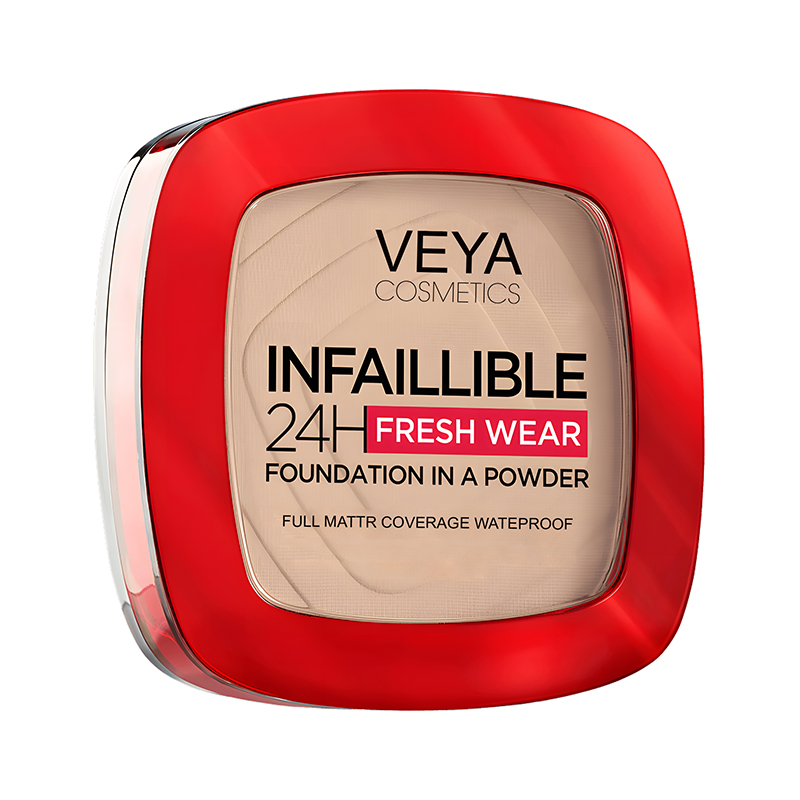
Powder-based foundations rely on balance more than complexity. A typical formula combines mineral pigments, fillers, binders, and surface-treated particles designed to sit evenly on the skin. In many formulations, powder particles are processed to sizes between 5 and 20 microns. This range allows the product to feel smooth while avoiding a heavy or chalky appearance. If particles drift beyond this range, powder may settle unevenly or highlight skin texture in ways nobody requested.
From the user’s perspective, powder foundation offers a sense of control. It can be layered gradually, adjusted throughout the day, and applied with brushes, sponges, or compact applicators. A single pressed compact often contains between 8 and 12 grams of product, enough to support weeks of daily use. Loose powder formats may include slightly higher volumes, depending on packaging design and application habits.
Inside a Foundation Powder Factory, the atmosphere is less glamorous than one might imagine, but far more precise. Raw powders arrive in measured quantities and are blended under controlled conditions to maintain color uniformity. Mixing equipment may handle batches ranging from several hundred kilograms to over a ton, depending on production scale. Humidity levels are often maintained between 45% and 55% to prevent moisture from affecting powder flow and compression behavior.
Pressing is where powder foundations gain their final personality. Compression pressure influences how easily a powder picks up on a brush and how it transfers to the skin. Press too lightly, and the powder crumbles. Press too firmly, and users struggle to collect the product. Production teams regularly test surface hardness, drop resistance, and pickup consistency before approving a batch for packaging.
Packaging adds another layer of quiet engineering. Compacts must protect the powder while opening and closing smoothly across repeated use. Automated filling lines can assemble several thousand units per hour, while inspection systems check weight consistency and surface appearance. These steps help ensure that each compact behaves predictably from the first use to the last.
Performance testing extends beyond the factory floor. Powder foundations are evaluated for oil absorption, shade stability under indoor lighting, and compatibility with common skincare routines. Observations from controlled wear tests suggest that well-balanced powder formulas maintain visual consistency for several hours in typical indoor environments, especially when applied over moisturized skin.
Comfort remains a central concern. Many modern powder foundations include treated pigments or binding agents that reduce dryness and improve adhesion. These features help the powder move naturally with facial expressions rather than sitting stiffly on the skin. Users may not notice these details consciously, but they influence how comfortable the product feels during daily wear.
Sustainability considerations increasingly shape factory decisions. Some facilities recover excess powder during production cycles, while others explore refill-friendly compact designs. These operational choices affect efficiency and long-term resource management without altering how the product performs on the skin.
In summary, a Foundation Powder Factory supports dependable base makeup by focusing on controlled particle processing, consistent blending, and thoughtful packaging. While users rarely think about manufacturing while applying their makeup, these behind-the-scenes steps help ensure that powder foundations perform reliably day after day. The quiet discipline of the Foundation Powder Factory is what allows base makeup to feel simple, familiar, and easy to use.
FAQs
Why is particle size important in powder foundation?
It affects texture, coverage, evenness, and comfort during wear.
How is powder consistency maintained?
Through controlled blending, humidity management, and compression testing.
Does factory precision influence everyday makeup results?
Yes, consistent production supports predictable application and appearance.
Your email address will not be published. Required fields are marked *