English
 Español
 Deutsch
Industry News

(86-579)8507 2566
Welcome to Zhejiang Weiya Cosmetics Co., Ltd.





Welcome to Zhejiang Weiya Cosmetics Co., Ltd.
Jan 30, 2026
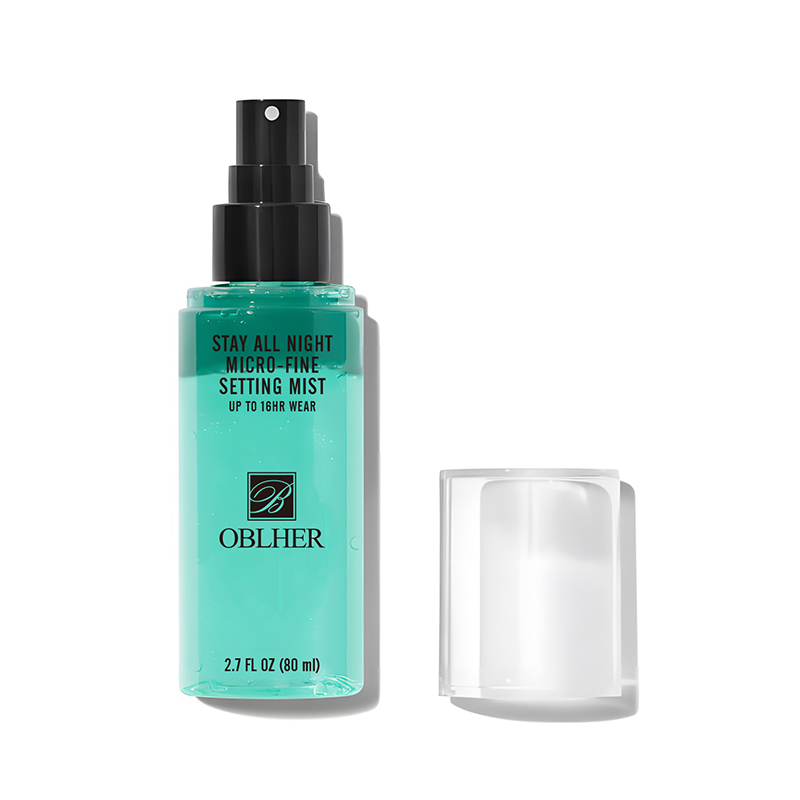
Makeup setting sprays are widely used to help maintain makeup throughout the day. They are designed to provide different effects, including matte, dewy, or natural finishes, and come in formulations suitable for various skin types. Many users report incorporating setting sprays into their daily routines multiple times per week, reflecting their role as an essential part of modern makeup practices. These sprays are valued not only for their ability to extend the wear of makeup but also for their contribution to the overall appearance and texture of the skin.
Performance and Makeup Longevity
A primary consideration when selecting a setting spray is its ability to preserve makeup over extended periods. Some sprays provide a matte finish, which helps control shine for those with oily skin, while others create a hydrated or dewy look for a fresh, luminous appearance. Factors such as skin type, environmental conditions, and the type of makeup applied can influence how well a spray maintains a look throughout the day. Many users find that a properly applied setting spray can reduce the need for touch-ups, keeping makeup intact from morning to evening. Additionally, applying a light mist during the day can help refresh the look without disturbing the underlying makeup layers.
Ingredients and Skin Adaptability
Ingredients play a crucial role in both comfort and effectiveness. Hydrating agents, such as glycerin or hyaluronic acid, are often included to maintain skin moisture while extending makeup wear. Some formulations use a balance of water and light solvents to produce a fine mist that evenly distributes over the face without causing dryness or stickiness. For sensitive skin, fragrance-free options are typically preferred, as they reduce the risk of irritation or redness. Understanding the ingredient composition can help users choose a product that complements their skin type and daily needs. Sprays with gentle, non-comedogenic formulations are particularly suitable for individuals prone to breakouts or skin sensitivity.
User Considerations and Daily Experience
Consumers often evaluate setting sprays based on texture, ease of application, and the resulting makeup appearance. Fine mist sprays distribute product evenly, avoiding patchiness or clumping. Users also consider how the spray interacts with various types of makeup, including powder, cream, and liquid formulas. Comfort during use, the ability to refresh makeup throughout the day, and performance under different environmental conditions are common points of discussion. Individual factors such as skin type, humidity, activity level, and climate conditions all influence how a spray performs in practice.
FAQ
Q: How often should a setting spray be applied?
A: Typically, a single application after completing makeup is sufficient. Some users also apply a light mist during the day to refresh the appearance of their makeup.
Q: Can a setting spray replace primer?
A: No. While setting sprays help maintain makeup, primers create a smooth base, improve texture, and enhance longevity, particularly for controlling oil or minimizing pores.
Q: Are setting sprays suitable for all skin types?
A: Formulations vary. Hydrating sprays are ideal for dry skin, mattifying sprays for oily skin, and fragrance-free or gentle sprays are suitable for sensitive skin. Understanding the intended effect and ingredients is important when selecting a product.
Makeup setting sprays continue to provide value for individuals looking to extend makeup wear, improve skin comfort, and maintain the desired appearance throughout the day. Choosing the right setting spray and applying it consistently helps maintain a polished and dependable makeup look while fitting different skin types and personal preferences.
Your email address will not be published. Required fields are marked *