English
 Español
 Deutsch
Industry News

(86-579)8507 2566
Welcome to Zhejiang Weiya Cosmetics Co., Ltd.





Welcome to Zhejiang Weiya Cosmetics Co., Ltd.
Nov 27, 2026
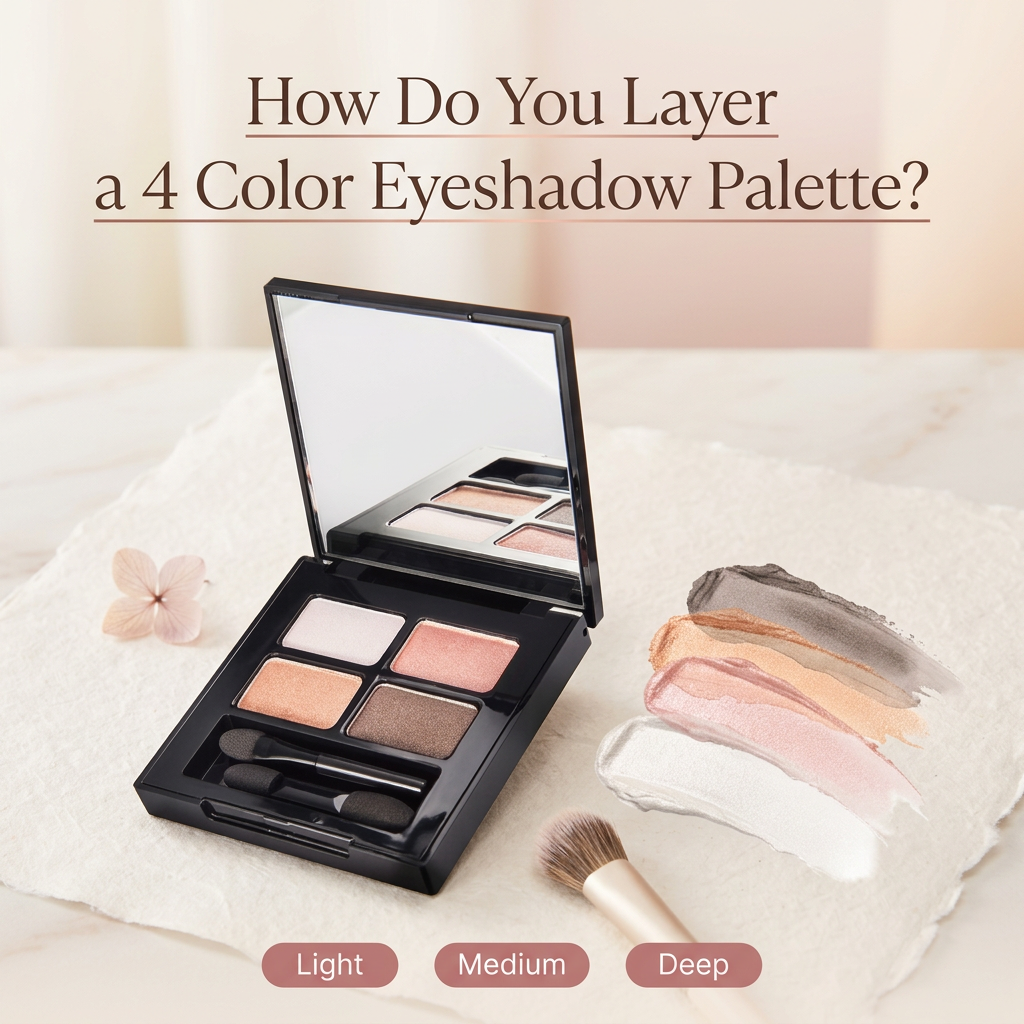
Layering lets several shades work as one look instead of separate blocks of color. A light shade sets a soft starting point, a medium tone adds depth, and a darker color draws attention to chosen areas. Applying more product is not the same as layering well. Color choice, placement, texture, and blending all change the result, and a shade that looks appealing in the pan can behave differently over another color. A 4 Color Eyeshadow Palette is a practical way to learn these relationships, since its small range shows what each shade contributes. Makeup Eye Palettes with coordinated tones also allow experiments with finish and color without complicating the routine.
A single shade across the whole lid looks simple and flat. Adding other colors in selected areas creates contrast and gives the eye more structure.
The effect comes from light against dark. Lighter colors reflect more light and draw attention. Deeper shades suggest depth. Placing them in different zones defines the lid, crease, and outer corner.
Layering also controls intensity. A small amount of color suits daily wear, and additional layers make the same shades stronger without a new palette. The roles are flexible too. A light shade can act as a base in one look and a highlight in another. A medium brown can serve as the transition color or as the main lid color.
Each layer needs a purpose. Several colors applied without a plan make the lid look crowded, while a clear plan lets the shades stay visible and still blend.
Shades that look attractive on their own do not always combine well. A few color relationships make the choice easier.
Warm and cool colors can be combined when the contrast is intentional. Compatible undertones are easier to blend, which helps anyone who prefers understated makeup.
Starting light and adding deeper colors gradually gives a foundation that can still be adjusted.
This order is a starting point, not a rule. Some looks put the main lid color down before defining the crease, and others need a deeper shade at the lash line before blending. Matte powders suit building the basic shape, while shimmer or metallic colors usually go on later to highlight chosen areas. Working in stages makes each result easy to judge and prevents too much dark color before the shape is set.
Blending connects shades, but too much of it turns every color into the same tone. The aim is to soften boundaries while keeping each shade where it was placed.
A flat brush places color on the lid with control. A small blending brush works around the crease and outer corner, and a soft, fuller brush diffuses larger areas. Heavy pressure drags pigment out of position, so light movements work better.
Clean the brush when moving between very different colors, since leftover dark pigment dulls a lighter shade. A dedicated brush for deeper colors helps. Stop blending once the colors look connected. Working an area just because it is not perfectly uniform removes the contrast that gives the makeup its shape.
Finish changes how a color looks in different light, and mixing finishes adds interest to a simple palette.
Matte shades have little visible shine. They suit soft transitions, crease definition, and depth, and they look subtle enough for everyday makeup. A medium matte can link a light base with a deeper outer shade.
Shimmer shades contain reflective particles and catch light. They draw attention to the center of the lid or the inner corner, and their look shifts with the angle of light. Over a matte base, shimmer gains contrast. Covering the whole lid with it reduces the difference between zones.
Metallic and satin finishes sit between these. Metallics reflect more strongly than soft shimmer, while satin gives a smooth sheen without visible sparkle. A reflective shade on the lid stands out against a matte crease, and a satin color can connect the two without a sharp break.
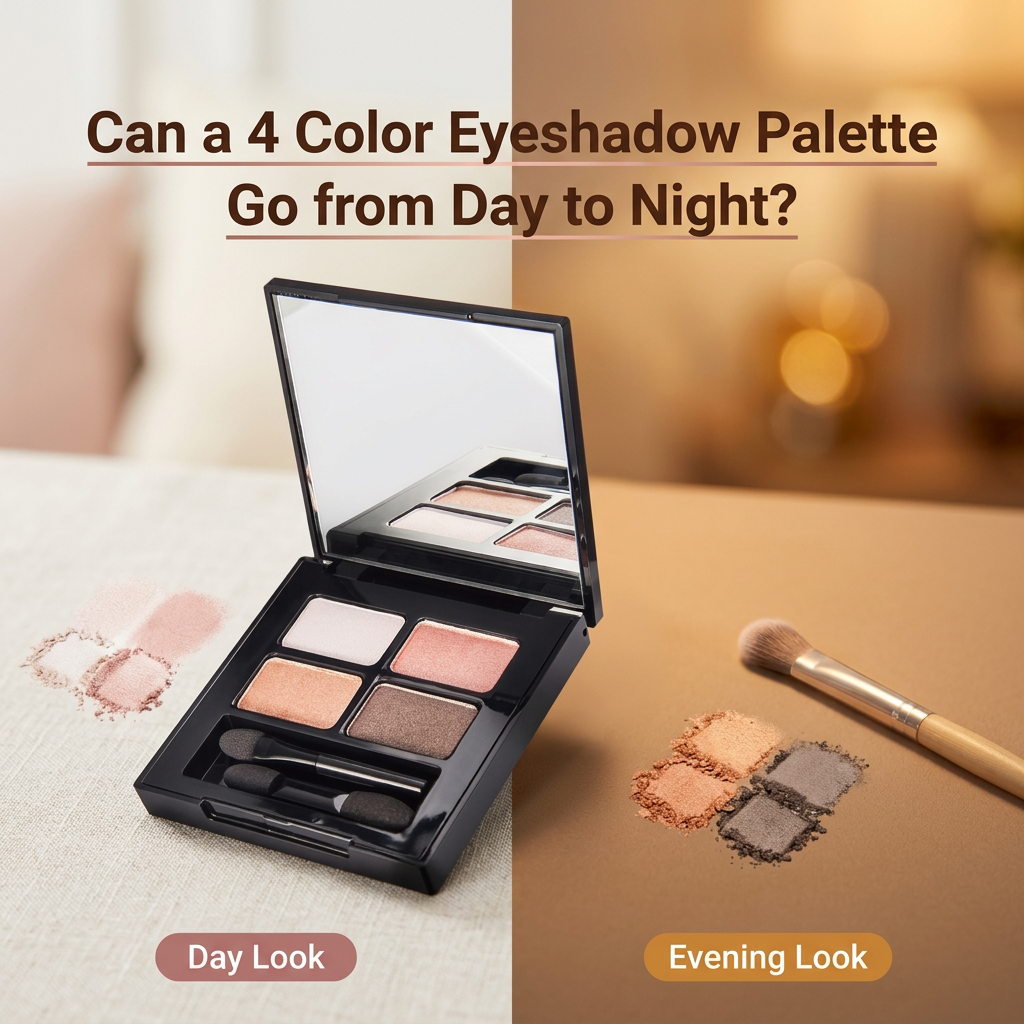
Think of the palette as a small color system. A shade does not have to stay in one position, and its role can change with the effect wanted.
The same shades look different as placement and intensity change, which is why coordinated Makeup Eye Palettes are easy to experiment with.
Spotting these habits makes correction easier before more product goes on.
The arrangement of colors matters most. Shades should combine without much correction during application.
Consider the color families you actually wear. Neutral browns suit understated makeup, while pink, plum, or copper support other styles. Choose by preference, not trend. Look for a clear range between light and deep shades, along with enough compatibility for them to work together. Some people prefer mostly matte shades for daily use, and others want matte and reflective finishes for variety.
Packaging affects convenience. A compact case travels easily, a secure closure protects the powder, and visible shades speed up color choice. Watch how the product behaves in use, since powder that spreads unevenly or drops heavy fallout needs more cleanup. Comfort depends on the product, the brush, the lid condition, and technique together. A 4 Color Eyeshadow Palette suits users who want a manageable selection, provided its shades and finishes match the looks they like to create.
Your email address will not be published. Required fields are marked *