English
 Español
 Deutsch
Industry News

(86-579)8507 2566
Welcome to Zhejiang Weiya Cosmetics Co., Ltd.





Welcome to Zhejiang Weiya Cosmetics Co., Ltd.
Sep 14, 2026
Makeup trends often change without requiring an entirely new routine from scratch. A familiar base, blush, eye look, or lip color can feel genuinely different when the face shape, color balance, and depth get adjusted in subtle ways that don't overhaul the whole face.
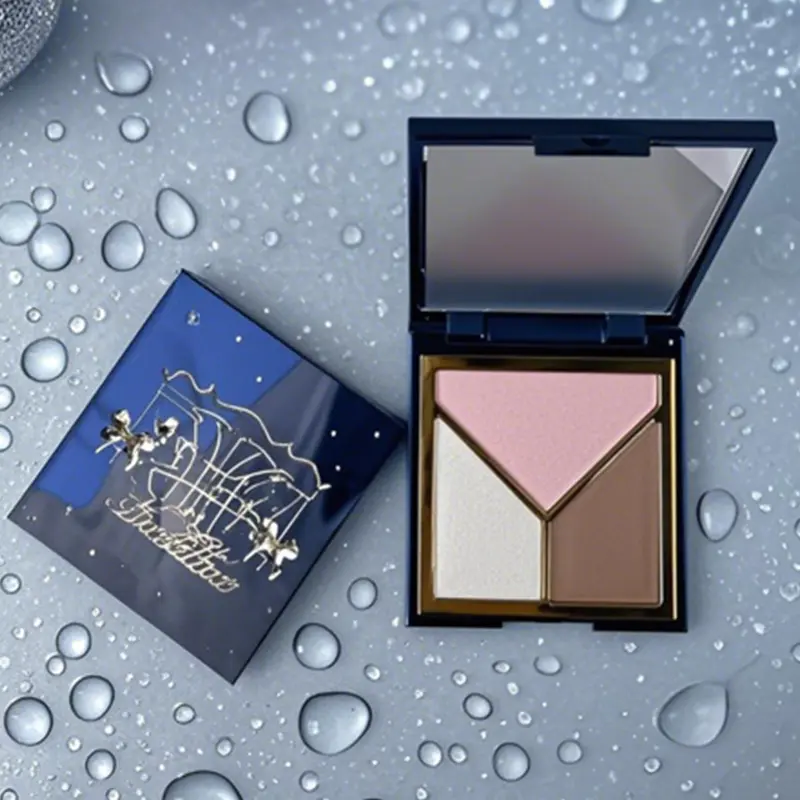
This is where a Cream Makeup Contour Palette can become part of a broader makeup transformation, rather than simply another product sitting in a cosmetic bag. Cream textures can be worked into existing makeup styles to create softer transitions, stronger definition, or a more blended appearance depending on how someone applies them.
The same basic makeup idea can therefore move in several visual directions, depending on where contour shades get placed and how they interact with the foundation underneath. A Cream Foundation Contour Palette can take this idea further by connecting complexion coverage with contour shades, allowing the overall face makeup to get treated as one visual composition rather than separate steps.
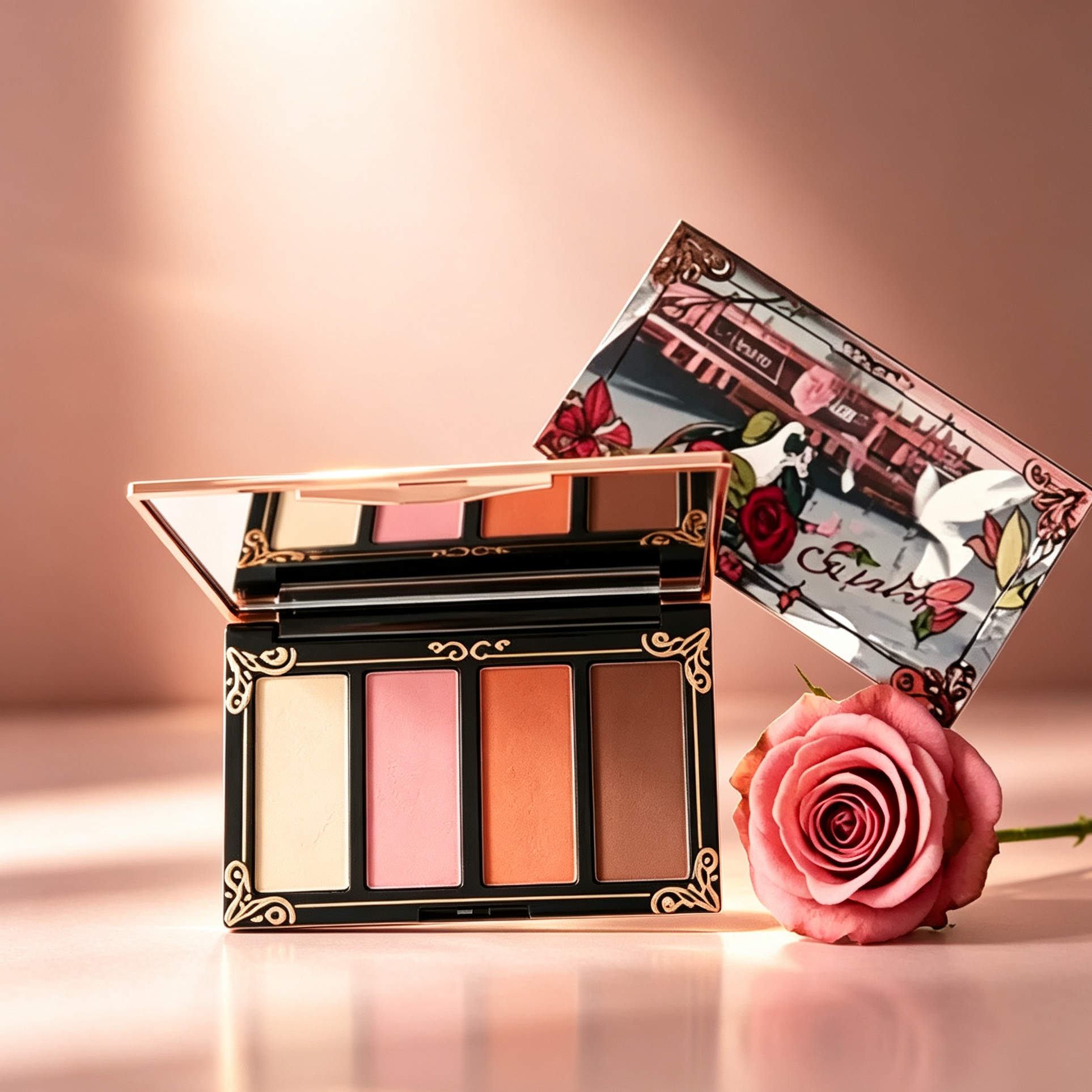
An All In One Makeup Palette Kit can also support this approach, when several complexion and color elements get arranged within a coordinated product format that's easy to reach for in the morning. The interesting part isn't simply adding more makeup products to a routine that already works fine.
It's changing the relationship between familiar elements, so that an existing look can take on a genuinely different character without starting over.
A makeup transformation can begin with something as simple as changing where depth actually appears on the face. A contour shade placed closer to the natural facial structure can create a genuinely different impression from the same shade spread more broadly across the cheek area.
The amount of visible contrast also affects how a familiar makeup style gets perceived by anyone glancing at it. A soft contour can leave the overall look close to a natural complexion, while more deliberate placement can create a more defined appearance that reads clearly across a room.
| Contour Approach | Visual Direction |
|---|---|
| Soft cheek placement | Gentle facial definition |
| Focused cheek placement | More structured appearance |
| Subtle forehead shading | Changes overall face balance |
| Light jaw definition | Creates a clearer lower-face outline |
| Narrow nose shading | Adds focused facial detail |
This means one palette can participate in several different visual directions, without changing the rest of the makeup dramatically or requiring a whole new shade collection. The transformation comes from the placement, rather than simply the presence of the contour shade sitting in the compact.
A Cream Makeup Contour Palette can therefore get viewed as a tool for changing familiar makeup arrangements through small shifts in visual depth. This can be genuinely useful for cosmetic brands and product developers thinking about how consumers may reinterpret existing makeup routines they already know well.
A familiar everyday look doesn't always need a completely new color story to feel refreshed. A different balance between light and shadow can make the same color palette appear noticeably different from one morning to the next.
Texture can genuinely influence how a makeup transformation develops across the face. A cream product can create a softer visual transition when blended into nearby complexion products, while a more concentrated application can leave stronger areas of definition where someone wants attention drawn.
This gives the makeup artist or everyday user room to change the relationship between coverage and contour without reaching for extra tools. The transformation can also depend on how the cream layer interacts with the makeup already sitting underneath it.
| Base Appearance | Possible Contour Direction |
|---|---|
| Light complexion coverage | Soft and understated |
| Even complexion coverage | Balanced facial definition |
| Fuller complexion coverage | Clearer contrast |
| Layered complexion | More controlled transitions |
A lightly covered area may allow the contour to appear more connected with the natural complexion, while a fuller base can create a more defined contrast between the two areas. The result doesn't have to look dramatically different from what someone started with that morning.
Small changes in blending can shift a makeup look from fresh and soft toward polished and structured, without replacing its basic color family or buying new products. This makes cream contour particularly relevant to makeup transformation, because texture and placement can work together rather than competing.
A Cream Foundation Contour Palette can support the same concept by treating complexion and contour as connected parts of one makeup arrangement instead of separate stages. Instead of seeing foundation and contour as completely separate steps, the face can get considered as a series of areas with different visual depth working together.
Many makeup looks become familiar, because their basic color relationships remain consistent from one application to the next. A soft blush may sit high on the cheeks, the foundation may create an even complexion, and a subtle contour may define selected areas without much fuss.
Changing the balance between these elements can refresh the appearance without changing the overall makeup identity someone has grown attached to. Moving visual depth slightly toward the outer cheek, for example, can create a genuinely different impression from concentrating it near the center of the face.
| Existing Look | Transformation Direction |
|---|---|
| Soft everyday makeup | Add gentle facial definition |
| Fresh blush-focused makeup | Balance cheek color with contour |
| Natural complexion | Introduce controlled facial depth |
| Defined evening makeup | Refine the transition between light and shadow |
| Monochrome makeup | Use related contour tones for greater facial structure |
Changing the relationship between cheek contour and forehead shading can alter how the entire face appears without touching the eyes or lips at all. The transformation can stay subtle enough that the original makeup style remains genuinely recognizable to anyone familiar with it.
This approach is particularly useful when developing variations of an existing cosmetic look for different occasions. The idea isn't creating a completely unrelated style out of nowhere for the sake of novelty.
It's adjusting the visual balance within something people already understand and feel comfortable wearing. An All In One Makeup Palette Kit can fit this concept, when its shades allow users to move between related makeup directions while keeping the overall color story connected throughout.
Monochrome makeup usually depends on a close relationship between colors used across different parts of the face. The same color family may appear around the eyes, cheeks, and lips, creating a connected visual effect that feels cohesive rather than scattered.
Contour can add another layer to this arrangement by introducing depth, without breaking the color relationship that holds the whole look together. A warm-toned contour can reinforce a warm monochrome look, while a softer neutral contour may create a more understated transition instead.
| Monochrome Direction | Contour Role |
|---|---|
| Warm peach tones | Adds gentle warmth and facial depth |
| Soft rose tones | Supports a softer complexion balance |
| Neutral tones | Creates restrained facial definition |
| Brown-based tones | Adds stronger visual structure |
| Muted tones | Keeps transitions understated |
The key is how the contour interacts with the existing color family already on the face. A contour shade that sits naturally within the overall makeup direction can make the face feel more dimensional, while keeping the original concept genuinely recognizable.
This creates a useful transformation path for an All In One Makeup Palette Kit, because several related shades can get arranged around one visual theme without clashing. The palette can support changes in intensity while maintaining a connected appearance across the face from cheek to jawline.
A familiar monochrome look can therefore move from soft daytime makeup toward a more defined evening interpretation through contour placement alone. This type of transformation gives palette design a role in styling, rather than limiting it to color storage sitting in a drawer.
Foundation establishes the general complexion, while contour introduces areas of visual depth on top of it. When these layers get treated separately, the transition between them can sometimes become visually obvious in a way that draws unwanted attention.
When they get considered as part of one makeup composition, the change in depth can appear a lot more gradual across the whole face. A Cream Foundation Contour Palette can fit this transformation concept, because foundation-related shades and contour shades can get planned as connected parts of the complexion from the start.
| Complexion Relationship | Resulting Direction |
|---|---|
| Close shade relationship | Soft transition |
| Moderate contrast | Visible facial definition |
| Focused contour placement | More structured areas |
| Broad blended contour | Gradual depth across the face |
| Layered complexion tones | More variation in facial balance |
The relationship between the shades can influence whether the final look feels soft, defined, warm, or restrained overall. A lighter complexion area beside a softly blended contour can create a gentle change in facial depth that feels natural.
A stronger contrast between complexion and contour can produce a genuinely more structured appearance instead. The transformation doesn't depend only on the contour shade itself sitting in the pan.
It also depends on where the surrounding complexion remains lighter or more even across the face. This makes foundation and contour particularly interesting, when developing products for users who want several interpretations of a familiar makeup style without buying multiple kits.
Layering gives makeup another way to change without introducing brand-new colors into the routine. A single shade may appear gentle when blended into a light complexion layer, while the same shade can create stronger definition when placed over an already defined area.
The visual effect therefore changes according to what has already been applied beneath it. This can make a Cream Makeup Contour Palette genuinely useful for creating variations within one makeup concept over the course of a week.
| Layering Method | Makeup Direction |
|---|---|
| Light contour over base | Soft definition |
| Repeated blending | Gradual depth |
| Focused layering | Stronger facial emphasis |
| Contour beside blush | More balanced cheek structure |
| Contour under complexion tones | Softer transition |
A user may begin with a soft base and gradually introduce more facial depth around selected areas as the day goes on. The same palette can then support a genuinely different interpretation by reducing the amount of visible contrast or shifting the focus toward another part of the face.
The important factor is that layering can change the visual relationship between shades, without changing their basic colors at all. This creates room for transformation within a familiar makeup routine that doesn't require restocking a drawer.
For B2B product development, this also suggests that palette design can consider how shades behave as combinations, rather than evaluating every color independently on its own. A palette may get used differently depending on whether the desired result is soft, defined, warm, or more sculpted for the occasion.
A makeup look can change significantly, when the visual focus moves from one facial area to another entirely. Cheeks, forehead, jaw, and nose each contribute differently to the overall balance of the face, and shifting emphasis between them changes the whole read.
A cheek-focused look may appear softer and more rounded, while additional definition around the jaw can create a genuinely more structured visual direction instead. Adding subtle depth near the forehead can change the relationship between the upper and lower parts of the face without much extra effort.
| Focus Area | Potential Visual Effect |
|---|---|
| Cheeks | Changes cheek definition |
| Forehead | Adjusts upper-face balance |
| Jaw | Creates clearer lower-face structure |
| Nose | Adds focused facial detail |
| Temples | Changes the relationship between outer facial areas |
The transformation comes from distribution across these zones rather than from any single product alone. This doesn't mean every area needs to receive contour to look finished.
Leaving certain areas lighter can be just as important as adding depth elsewhere on the face. The contrast between treated and untreated areas helps create the visual structure of the finished makeup as a whole.
A Cream Foundation Contour Palette can support this approach, when its complexion shades allow users to maintain lighter areas while adding selected contour zones where needed. This makes transformation a matter of composition, rather than simply increasing product coverage across the entire face.
A palette can genuinely influence how people think about makeup combinations they reach for daily. When related complexion and contour shades get presented together, users can experiment with different visual relationships, without building each look around unrelated products scattered across a vanity.
An All In One Makeup Palette Kit can therefore get positioned around transformation and coordination, rather than simply convenience alone. One arrangement may emphasize soft complexion balance, while another may create stronger cheek definition for a different setting.
| Makeup Direction | Palette Combination |
|---|---|
| Soft everyday look | Light complexion and gentle contour |
| Defined cheek look | Even base with focused contour |
| Warm monochrome look | Related complexion and warm contour shades |
| Evening transformation | More visible facial depth |
| Natural definition | Close complexion and contour tones |
A different combination can bring contour closer to the natural complexion, so the overall appearance remains understated for daytime wear. This approach can also influence how cosmetic products get developed for different customer preferences across a wider market.
Some users may want one familiar makeup style with several intensity options built into the same compact. Others may want to transform the same basic color story for different settings, from an office morning to a dinner later that night.
The palette can provide a framework for these changes, while allowing the user to decide how much visual difference they actually want. For manufacturers, this opens a broader design question about how shade relationships can support several makeup transformations within one coordinated product concept.
A makeup look doesn't always need to get replaced entirely when the setting changes from office to evening plans. A soft daytime appearance can become more defined later, by changing the distribution of contour and the relationship between complexion and color.
The transformation can begin with a familiar base and introduce additional depth around selected areas as the day progresses. The cheeks may receive more definition, while the complexion remains connected to the original makeup tone applied that morning.
| Daytime Direction | Evening Transformation |
|---|---|
| Light facial definition | More visible contour |
| Soft cheek color | Stronger cheek structure |
| Gentle complexion contrast | Clearer light and shadow |
| Restrained layering | More deliberate layering |
| Subtle overall effect | More defined visual character |
The same idea can apply to monochrome styles built around one connected color family. A soft rose-based daytime look can move toward a stronger evening interpretation, when contour becomes more visible and the contrast between facial areas increases slightly.
The transformation is therefore not necessarily about adding many new colors to an already-built routine. It can come from changing depth, placement, and contrast within an existing palette that's already sitting on the counter.
A Cream Makeup Contour Palette can fit this type of progression, because the same group of complexion and contour shades can participate in different visual arrangements throughout the day. A Cream Foundation Contour Palette can similarly connect the complexion base with changing levels of facial definition as plans shift.
When these ideas get incorporated into an All In One Makeup Palette Kit, palette design can become closely connected with the way familiar makeup looks get refreshed across different styling directions and occasions.
Your email address will not be published. Required fields are marked *