English
 Español
 Deutsch
Industry News

(86-579)8507 2566
Welcome to Zhejiang Weiya Cosmetics Co., Ltd.





Welcome to Zhejiang Weiya Cosmetics Co., Ltd.
Sep 15, 2026
A makeup palette can contain several shades, yet consumers rarely use every color at the same pace throughout the week. One shade may become part of an everyday routine, while another may only appear when someone wants a genuinely different makeup style for a particular occasion.
This difference becomes particularly noticeable with cream palettes, because each shade is often used for a specific area or purpose rather than interchangeably. The amount remaining in each pan can therefore look genuinely different, even when all the colors were purchased together on the same day.
For cosmetic manufacturers and buyers, this creates an interesting product consumption question worth examining closely. Understanding which shades are used frequently, which ones remain longer, and how consumers combine colors can provide useful insight into palette design and product planning going forward.
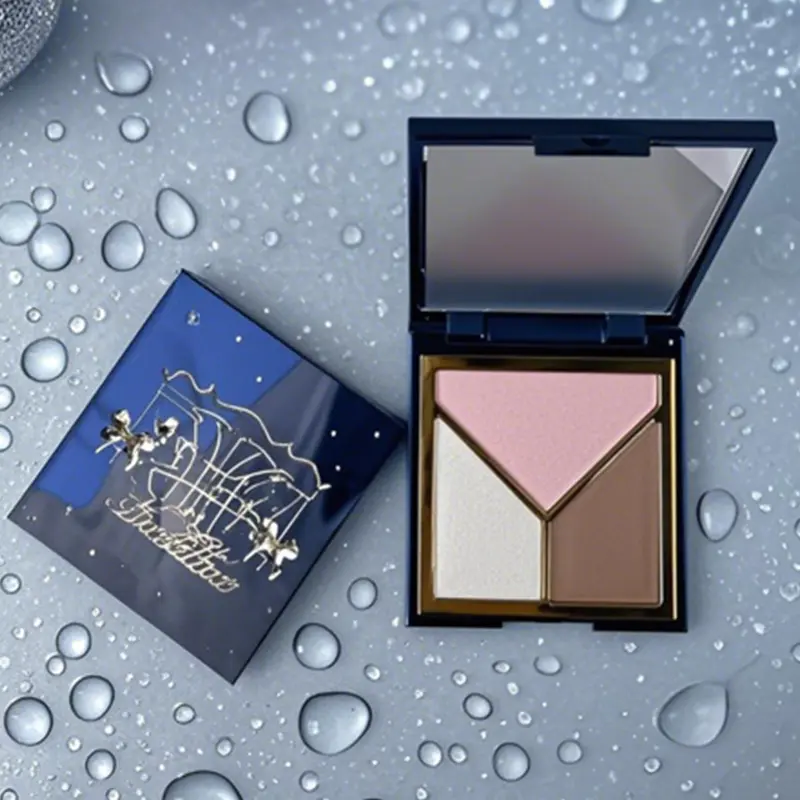
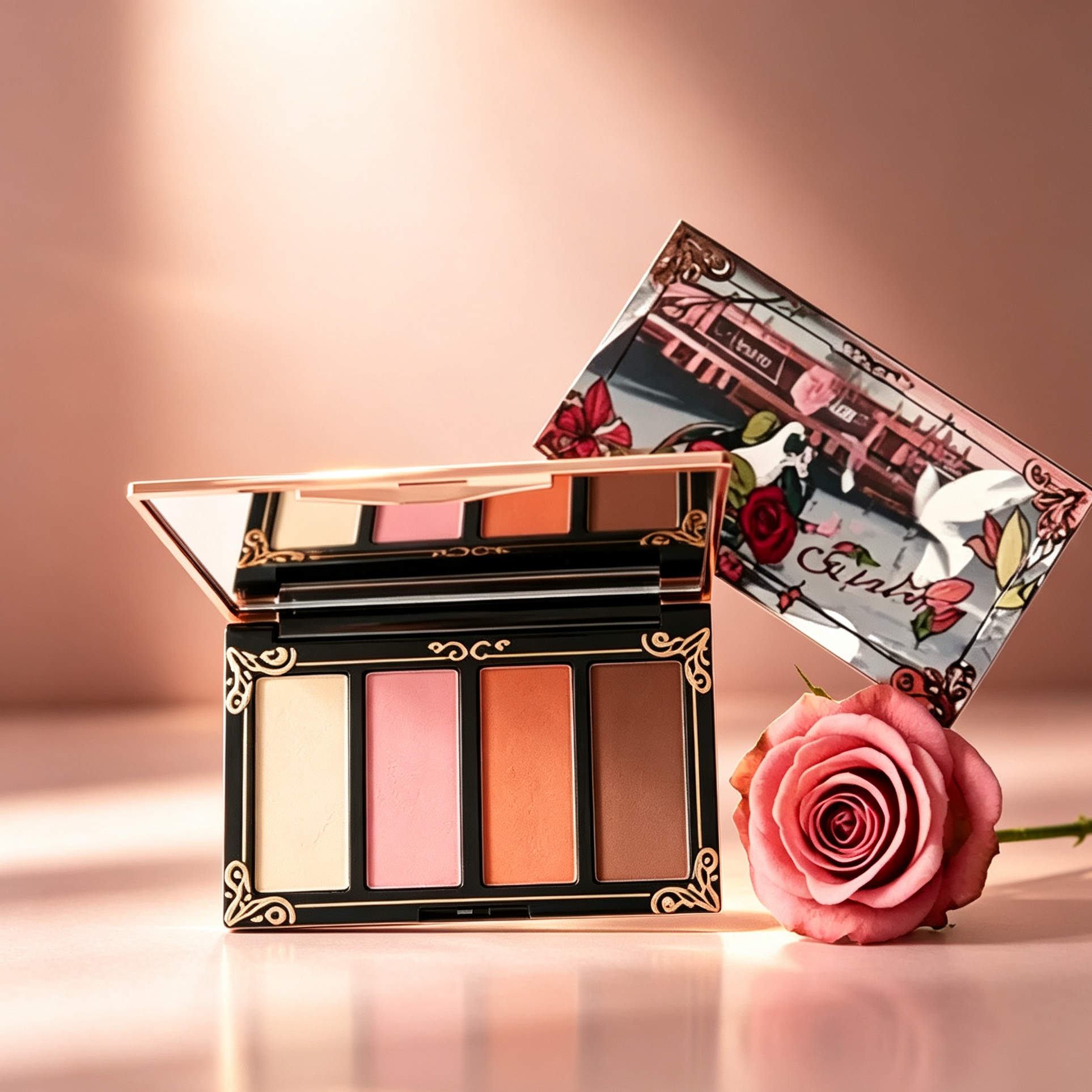
A Cream Makeup Contour Palette may include several complexion and contour shades, but actual consumption depends heavily on how consumers build their makeup routines day to day. A Cream Foundation Contour Palette can show a similar pattern, because foundation-related shades may be used across larger areas while contour shades often get applied more selectively.
An All In One Makeup Palette Kit can create even more variation, when several makeup categories are included in one product sitting on the counter. The colors may belong to the same package, but their individual consumption patterns can be genuinely different from shade to shade.
Consumers rarely apply every shade with equal frequency across a normal week. Daily routines often settle around a small group of familiar colors, while other shades get saved for particular occasions or makeup styles that come up less often.
A complexion shade may be used regularly because it forms part of the base makeup applied every morning. A deeper contour shade may remain in the palette longer, because it only gets applied to smaller areas of the face.
| Shade Type | Possible Consumption Pattern |
|---|---|
| Everyday complexion shade | Frequent use |
| Light blending shade | Regular use |
| Medium contour shade | Moderate use |
| Deep contour shade | Occasional use |
| Special color | Lower routine use |
This creates a natural difference between high-use and low-use shades within the same compact. The difference doesn't necessarily mean that one color is more useful than another, since the role of each shade depends heavily on the user's own routine.
Usage habits can also change over time as seasons or preferences shift. A consumer may use one shade heavily during one period and then shift toward another color, after changing makeup preferences or trying something new.
This means product consumption isn't always a fixed pattern locked in from day one. It can reflect changes in routine, season, clothing, social activities, and personal styling choices that evolve over months.
For manufacturers, looking at consumption as a moving behavior can provide a broader view of how consumers actually interact with a palette. It also helps explain why some pans appear nearly empty while neighboring shades still contain considerable product sitting untouched.
The area covered by a shade has a genuinely direct relationship with how often that color may get used. A shade applied across much of the face can naturally get consumed differently from one reserved for a small section near the jaw.
Foundation-related colors are a clear example of this pattern. When a consumer uses a complexion shade across a broad area, each application can involve a lot more product than a small contour placement near the cheekbone.
| Application Area | Likely Consumption Behavior |
|---|---|
| Broad complexion area | Larger amount used across each routine |
| Cheek area | Regular but more focused use |
| Nose area | Smaller application area |
| Jaw area | Selective use |
| Detail areas | Lower amount per application |
Contour shades often follow a genuinely different pattern from foundation. They may get used along the cheeks, forehead, nose, or jaw, but the amount applied to each area can remain relatively limited each time.
This creates different consumption patterns within the same palette sitting on a shelf. The difference can become more visible after repeated use over several weeks or months.
A consumer may notice that a complexion pan becomes shallow, while a deeper contour pan still looks relatively full by comparison. A Cream Foundation Contour Palette can therefore have genuinely uneven remaining product, even when all shades were originally packaged together in the same box.
This is useful information for product development, because shade placement within a palette can get considered alongside actual consumption behavior instead of guesswork. A palette with frequently used colors may need a genuinely different internal arrangement from one designed around occasional color changes.
Daily makeup routines tend to be repetitive by nature, and that repetition shapes consumption directly. Consumers often develop a familiar sequence and return to the same shades, because those colors fit their usual appearance and morning schedule.
A color that works for ordinary workdays may get used repeatedly, while a stronger contour shade may only appear when the consumer wants more visible definition for an evening out. This creates a clear difference between routine consumption and occasional consumption within the same product.
| Usage Habit | Consumption Effect |
|---|---|
| Used every day | Gradual and consistent reduction |
| Used several times a week | Moderate reduction |
| Used for selected looks | Irregular reduction |
| Used for special occasions | Slow reduction |
| Rarely selected | Little visible change |
Daily use can also make small differences add up over time in a way that's easy to overlook. A shade used in nearly every makeup routine may gradually become the fastest-changing pan in the whole palette.
The pattern can vary quite a bit from one consumer to another based on personal style. Someone who prefers simple complexion makeup may consume base shades quickly, while another person who enjoys stronger contouring may reach for deeper shades a lot more frequently.
An All In One Makeup Palette Kit can show an even wider range, because consumers may have genuinely different habits for each included color category. Some sections can become part of a daily routine, while others remain available for occasional styling months later.
For cosmetic businesses, this difference can matter when considering how consumers perceive value in a product. A palette may be physically full, but the user's experience can change once the shades they use regularly begin to run low.
Consumers don't always judge a palette only by the amount of product originally included in the box. The appearance of the remaining shades can genuinely influence how they think about the product during continued use over time.
When one pan becomes noticeably lower than the others, the consumer may begin thinking about replacement even though several other colors are still sitting there available. This can create an interesting relationship between physical product quantity and perceived product life.
| Remaining Product Situation | Possible Consumer Reaction |
|---|---|
| Everyday shade running low | Replacement becomes more noticeable |
| Several unused shades remain | Consumer may continue using the palette |
| Favorite shade nearly empty | Stronger attention to replenishment |
| Occasional shade still full | Less immediate concern |
| Similar shades remain | Consumer may adjust application |
The palette may still contain plenty of unused shades, but those shades may not match the consumer's routine closely enough to delay replacement decisions. Consumption is therefore connected with personal preference, rather than simply the total amount remaining in the compact.
This is particularly relevant to a Cream Makeup Contour Palette, because adjacent shades may have genuinely different levels of use over time. A consumer may rely heavily on one contour color while rarely touching another sitting right beside it.
Manufacturers can consider this behavior when planning palette combinations for future releases. Related shades can get designed to offer some flexibility, without assuming that consumers will consume them equally across the board.
The remaining product also provides a visible record of consumer behavior worth paying attention to. A well-used palette can show which colors have become part of a person's regular makeup habits over the months.
Color depth can genuinely influence how consumers use a palette, although the effect varies quite a bit according to personal style. Lighter shades may become part of broader complexion work, while deeper shades may get reserved for selected areas or particular looks that come up less often.
A consumer who prefers understated makeup may use deeper colors sparingly throughout the week. Someone who prefers more defined makeup may reach for those same colors a lot more often instead.
| Color Relationship | Possible Use Pattern |
|---|---|
| Light complexion shade | Broad and repeated use |
| Medium complexion shade | Regular blending or base use |
| Soft contour shade | Frequent selective use |
| Deep contour shade | Occasional or focused use |
| Distinctive shade | Style-dependent consumption |
This creates genuinely different consumption rates, even when two people own the exact same palette purchased on the same day. Color depth can also influence how much consumers layer product during application.
A softer shade may require repeated application to create the desired appearance on the skin. A deeper shade may get used more selectively, since a small amount can achieve the intended effect.
This means consumption can't get predicted simply by looking at the shade name printed on the pan. The application method, facial area, personal style, and desired appearance all contribute to how quickly a particular pan changes over time.
For a Cream Foundation Contour Palette, this can create several consumption paths within one single product. The complexion section may decline steadily, while contour shades change at genuinely different speeds according to individual habits.
Reapplication isn't always evenly distributed across a palette during the day. Consumers tend to notice areas that need adjustment and return to the colors associated with those specific areas.
A complexion shade may get reapplied when coverage needs refreshing partway through the day. A contour shade may only get touched up when its definition becomes less visible after several hours.
| Reapplication Habit | Possible Consumption Pattern |
|---|---|
| Frequent complexion touch-ups | Faster use of base shades |
| Occasional contour adjustment | Slower contour consumption |
| Makeup refreshed before events | Short periods of increased use |
| Minimal touch-up routine | Lower overall consumption |
| Full routine repeated often | More even product movement |
The timing of reapplication can also depend on the makeup routine itself and how someone spends their day. Someone who checks their makeup throughout the day may use certain colors more frequently than someone who applies makeup once in the morning and leaves it unchanged.
This behavior matters when examining an All In One Makeup Palette Kit, because different sections can have genuinely different replenishment needs. One color may require attention regularly, while another remains almost untouched for weeks.
Consumers may also adapt when a familiar shade becomes low on product. They might combine neighboring colors, change application areas slightly, or use a lighter or deeper shade to create a similar result on the skin.
That adjustment can extend the practical use of the palette while also changing the consumption rate of other colors nearby. A low shade can therefore influence how the remaining colors get used going forward.
There's no single consumption pattern for cream palettes, because makeup routines can be genuinely individual from person to person. Someone with a simple daily routine may repeatedly use only a few shades, while someone who enjoys experimenting may move through a wider part of the palette.
Work-related makeup may encourage repeated use of familiar complexion tones day after day. Weekend or event makeup may involve genuinely different contour colors and more variation in layering technique.
| Routine Type | Potential Shade Behavior |
|---|---|
| Simple daily makeup | Concentrated use of familiar colors |
| Detailed makeup routine | Wider shade consumption |
| Event-oriented makeup | Greater use of selected contour shades |
| Travel routine | Reduced shade range |
| Experimental makeup | More balanced use across colors |
Travel can create another pattern entirely, because consumers may prefer using a smaller selection of familiar shades when away from home. This can make some colors a lot more heavily used during certain periods than others.
An All In One Makeup Palette Kit can respond to these different habits by bringing related shades together in one place. The actual consumption still remains genuinely personal, though, no matter how the palette gets structured.
This is why sales and product planning shouldn't assume that every included color has the same usage cycle across all buyers. A palette can contain a balanced range while still producing very uneven physical consumption in practice.
For product teams, understanding these differences can help when considering refill concepts, palette sizes, shade grouping, and future product combinations down the line. The goal is reflecting how people actually use colors, rather than assuming every shade moves at the same pace.
Uneven consumption can genuinely influence how manufacturers think about the internal structure of a palette. If certain shades get repeatedly used while others remain largely untouched, their placement and relationship with neighboring colors become relevant to the overall product experience.
A heavily used shade located beside a rarely used color can create a visible contrast as the product ages over months. The consumer may see a deep empty area next to a nearly untouched pan, which can affect how the palette looks during later stages of use.
| Design Consideration | Consumption-Related Question |
|---|---|
| Shade grouping | Are frequently used colors easy to identify? |
| Pan arrangement | How do changing product levels affect the palette? |
| Shade quantity | Are use patterns likely to vary widely? |
| Color relationships | Can neighboring shades support flexible use? |
| Product format | Does the structure suit the expected routine? |
This doesn't necessarily indicate a problem with the product itself. It simply shows that the original product combination and actual consumer behavior may follow genuinely different patterns once real use begins.
A Cream Makeup Contour Palette may benefit from getting viewed as a group of differently consumed shades, rather than one uniform product block. This perspective can encourage manufacturers to think about the entire usage cycle, from opening a new palette to the point where several pans show very different remaining levels.
The same idea applies to a Cream Foundation Contour Palette sold alongside it. Foundation colors may experience broader and more regular use, while contour shades change according to personal styling habits that vary widely between buyers.
Product consumption can therefore become part of palette development itself, rather than simply something observed after the product already reaches consumers.
Consumer usage can provide a genuinely practical reference for understanding which colors become part of regular routines. When certain shades repeatedly show faster consumption, manufacturers can examine what role those colors actually play in everyday makeup behavior.
This doesn't mean every palette should contain more of the same shade going forward. Different consumers have different preferences, and a less frequently used color can still have a meaningful role within a complete makeup concept.
| Consumption Observation | Possible Planning Focus |
|---|---|
| One shade declines quickly | Examine its role in daily routines |
| Several shades decline together | Consider related usage patterns |
| Contour shades vary widely | Review individual styling habits |
| Some shades remain largely unused | Examine their position within the palette |
| Users switch between similar colors | Consider shade relationships |
Instead, consumption patterns can help manufacturers understand the relationship between shade variety and actual usage on the ground. The difference between a palette offering many colors and one encouraging repeated use of a smaller group can matter quite a bit when planning future products.
For a Cream Makeup Contour Palette, this can encourage a closer look at real consumer routines, rather than relying only on the number of shades included in the box. For a Cream Foundation Contour Palette, the difference between broad complexion application and focused contour application can help explain why some pans change faster than others.
For an All In One Makeup Palette Kit, the variation can be even wider, because the product may bring together several types of makeup behavior within one single package. Product consumption is therefore not simply about how much makeup has disappeared from a pan over time.
It reflects frequency of use, application area, reapplication habits, personal styling, color preference, and the way consumers adapt when one shade begins to run low on a busy morning.
Your email address will not be published. Required fields are marked *