English
 Español
 Deutsch
Industry News

(86-579)8507 2566
Welcome to Zhejiang Weiya Cosmetics Co., Ltd.





Welcome to Zhejiang Weiya Cosmetics Co., Ltd.
Sep 18, 2026
Sweat control and facial cleansing may seem like genuinely separate parts of a daily routine, but they often take place around the same activities throughout the day. A person may use an antiperspirant before getting dressed in the morning, spend the day moving between indoor and outdoor spaces, and then return home with sweat, oil, makeup, and other surface residue that needs removing.
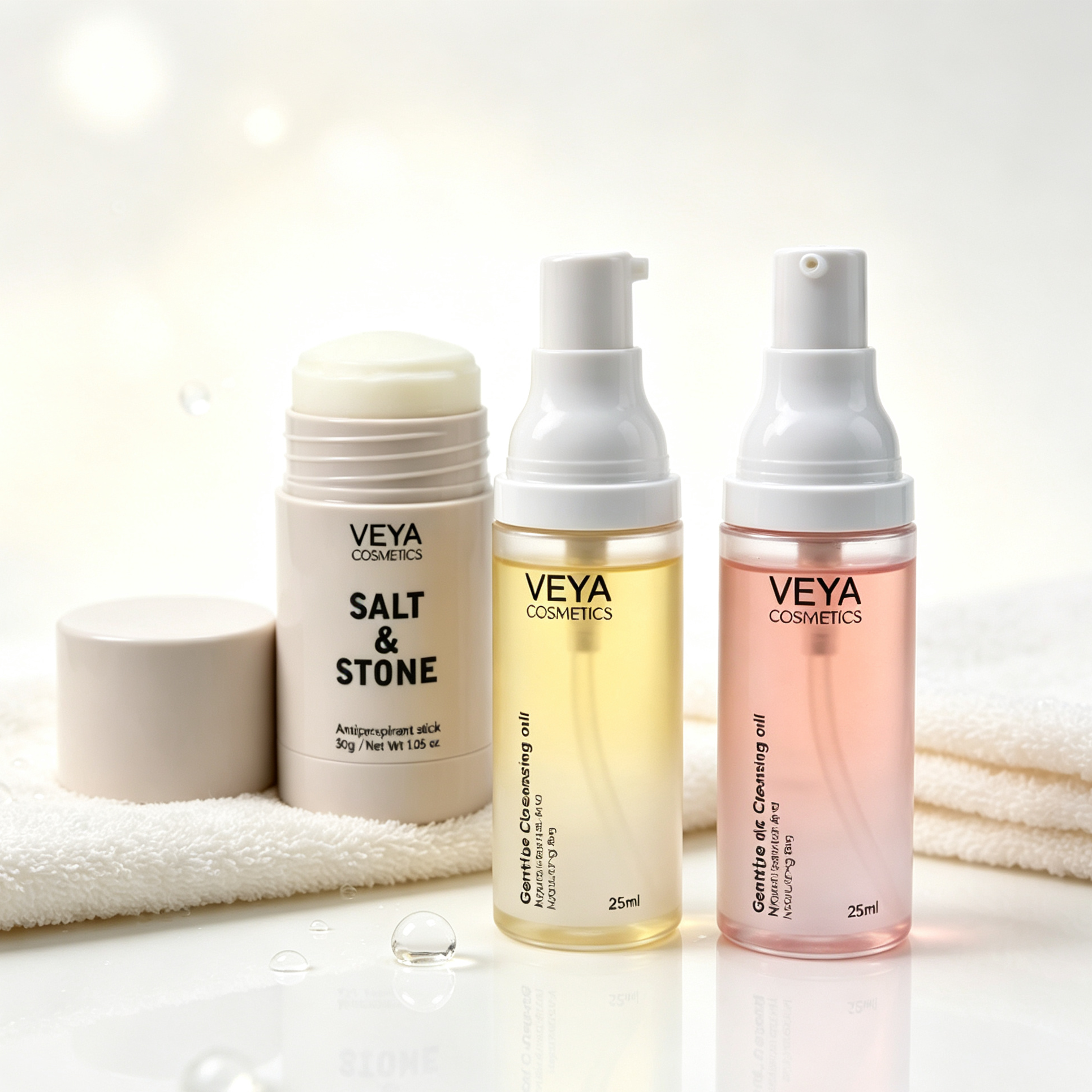
The challenge isn't simply choosing products for each step in isolation. The timing, application area, and order of daily habits can genuinely influence how comfortable the routine feels overall. An Invisible Dry Stick Antiperspirant belongs to body care, while a Mild Touch Cleansing Oil can be part of a facial cleansing routine, especially when makeup or oil-based residue needs attention.
Keeping these roles separate makes the routine a lot easier to understand. At the same time, connecting them within the same daily schedule can help people avoid rushing through cleansing or applying products to areas for which they weren't intended.
Sweat management usually takes place before or during the day, while cleansing often happens after daily activities are finished. The two steps therefore respond to genuinely different moments within the same routine.
During the day, perspiration can build up around areas such as the underarms, neck, forehead, and back. Facial oil can also become more noticeable as time passes, particularly after outdoor activity, commuting, exercise, or spending time in warm surroundings.
| Daily Situation | Main Care Concern |
|---|---|
| Morning preparation | Managing body perspiration before dressing |
| Outdoor activity | Increased sweat and surface moisture |
| Work or commuting | Facial oil may become more noticeable |
| Exercise | Body and facial sweat can increase |
| Evening cleansing | Removing makeup, oil, and daily residue |
These changes don't mean that the skin needs aggressive cleaning every time. Sweat and surface oil can get managed according to the actual condition of the body and face at that moment.
Thinking about the routine as a sequence can make product use a lot more practical. The purpose is giving each product a clear place, rather than combining several steps simply because they happen on the same day.
Morning is often when people prepare their skin and body for the day ahead. After washing and drying, an Invisible Dry Stick Antiperspirant may get used as part of a personal sweat-control routine according to its product directions.
The application area matters, because an antiperspirant intended for underarms shouldn't get treated as a general-purpose product for the face. Keeping the product within its intended use helps maintain a genuinely simple and understandable routine.
The condition of the skin can also influence how the application feels that morning. Applying body-care products to clean, dry skin can be a lot easier than trying to manage them after heavy sweating has already started.
A simple morning sequence might start with completing the usual shower or washing routine, then drying the body properly before moving forward. From there, the antiperspirant gets applied according to its directions, followed by allowing the product to settle before continuing with dressing and facial skincare.
This order separates body sweat management from facial preparation cleanly. It also gives the user a clear point in the routine where perspiration care actually takes place.
Facial skin comes into contact with different substances throughout the day, far more than most people notice. Makeup, sunscreen, facial oil, dust, and other surface residue can build up, as a person works, travels, exercises, or spends time outdoors.
Sweat itself isn't necessarily the only reason to cleanse the face. A face may feel oily even when there's been little noticeable sweating, while someone who has perspired heavily may also have makeup or other products that need removing.
This is why facial cleansing should respond to the actual condition of the face rather than a fixed schedule. Washing repeatedly simply because the body has been sweating may not be necessary at all.
A gentle routine can begin by checking whether the face feels oily, whether makeup remains, and whether there's visible residue sitting on the surface. The cleansing method can then get adjusted to those specific conditions rather than a one-size-fits-all approach.
The aim is removing what needs to be removed, without turning every daily activity into a reason for repeated washing throughout the day.
A Mild Touch Cleansing Oil can fit into an evening routine, when the face needs help removing makeup, sunscreen, facial oil, or other oil-based residue. Its role is genuinely different from that of a body antiperspirant, even though both products may appear in the same person's daily care schedule.
Cleansing oil is often considered as part of makeup removal, because an oil-based cleanser can help loosen products that don't rinse away easily with water alone. The exact routine depends on the product instructions and the cosmetics being removed that day.
| Evening Condition | Possible Cleansing Need |
|---|---|
| Light daily residue | Simple facial cleansing |
| Facial oil is noticeable | More attention to oily areas |
| Makeup is present | Makeup removal before regular cleansing |
| Sunscreen has been used | Thorough removal according to the routine |
| Heavy outdoor exposure | Additional attention to surface residue |
The user's skin condition also matters quite a bit here. Someone who wears makeup throughout the day may have genuinely different cleansing needs from someone who doesn't wear makeup at all.
A Mild Touch Cleansing Oil should therefore get viewed as one part of the cleansing process, rather than a universal answer to every skin concern that comes up. The rest of the routine can remain simple when there's little residue to remove that evening.
Exercise can make the connection between sweat control and cleansing a lot more obvious than usual. The body may be warm and sweaty, while the face may also contain oil, sunscreen, makeup, or other products layered on top.
After exercise, changing out of damp clothing can be genuinely useful for overall comfort right away. The face can then get assessed separately to determine whether it needs rinsing, cleansing, or makeup removal at that point.
An antiperspirant doesn't replace washing after heavy activity. It belongs to sweat management, while cleansing deals with accumulated surface residue that built up during the workout.
The timing of reapplication also matters here. If a person has exercised and showered, they may need to follow the product directions again, rather than simply adding another layer over existing sweat.
A practical post-exercise routine can include changing out of damp clothing first, then washing or showering as appropriate for the situation. Gently cleansing the face when needed comes next, followed by drying the body and face before reapplying personal-care products according to their instructions.
This keeps the routine organized, without treating every product as if it has the same purpose in the sequence.
Sweat and facial oil can appear together, but they're genuinely not identical concerns to manage. Sweat is mainly associated with moisture and body temperature, while facial oil can remain visible even when the skin doesn't feel damp at all.
This difference becomes important when deciding what to do during the day. Someone with a sweaty forehead may need to gently remove moisture, while someone with an oily nose may benefit from blotting rather than washing the entire face.
| What You Notice | Practical Response |
|---|---|
| Damp forehead | Gently press away moisture |
| Shiny nose | Blot excess facial oil |
| Sweaty underarms | Follow the body-care routine |
| Makeup disturbed by sweat | Clean or touch up the affected area as appropriate |
| Face feels comfortable | Avoid unnecessary additional cleansing |
Trying to handle both problems in exactly the same way can make the routine unnecessarily complicated for no real benefit. It can also lead to repeated cleansing, when simple blotting or drying would have been enough on its own.
The key is identifying what has actually changed on the skin that day. A routine based on observation can be a lot easier to maintain than one based on fixed assumptions about how the skin should feel regardless of the day.
Daily care becomes genuinely easier, when each product has a clear position in the schedule. Morning routines usually focus on preparing the body and face for the day, while evening routines focus more on removing accumulated residue.
A person may use an Invisible Dry Stick Antiperspirant during morning body care and then return to facial cleansing at night with a Mild Touch Cleansing Oil, when makeup or other residue needs removing.
| Time of Day | Focus |
|---|---|
| Morning | Cleanse or shower, dry the body, apply antiperspirant, continue with skincare and makeup |
| During the day | Watch for sweat and shine, blot or refresh affected areas as needed |
| Evening | Remove makeup, cleanse according to the day's residue, follow usual skincare steps |
| After exercise | Clean body and face based on sweat and residue, change clothing, restart normal care |
A basic morning sequence follows the shower, drying, antiperspirant, and skincare order described earlier. During the day, attention shifts toward sweat, facial shine, and changes caused by weather or activity, with blotting or refreshing the affected areas rather than automatically repeating the entire routine from scratch.
Evening focuses on removing makeup or other facial products, using the cleansing method that suits that day's residue, and continuing with the usual skincare steps afterward. This structure keeps sweat control and facial cleansing connected without confusing their separate purposes.
Warm and humid conditions can genuinely change the way sweat and facial oil appear throughout the day. A routine that feels comfortable on a cool morning may seem a lot less practical after spending several hours outdoors in the heat.
Body perspiration may become noticeable sooner than usual, while facial shine can develop around the forehead, nose, and chin faster than expected. Makeup may also feel different, when the skin remains warm for an extended period during the afternoon.
| Weather Condition | Common Adjustment |
|---|---|
| Hot outdoor weather | Pay closer attention to body sweat before leaving |
| High humidity | Carry blotting material for facial oil |
| Warm indoor spaces | Monitor shine periodically |
| Extended sun exposure | Plan for thorough evening cleansing |
There's no need to respond by adding every available product to the routine at once. Instead, the routine can get adjusted around the areas that actually become uncomfortable that particular day.
Someone may choose paying more attention to body sweat before leaving home and carrying simple materials for blotting facial oil during the day. Evening cleansing can then focus on removing what accumulated, rather than repeatedly washing the face throughout the day for no clear reason.
Weather is therefore a reason to observe changes, not necessarily a reason to make the routine a lot longer than it needs to be.
Makeup adds another layer to the relationship between daytime care and evening cleansing worth thinking through. Foundation, lip products, eye makeup, and other cosmetics can remain on the face after the day's activities, even when visible sweat has already disappeared entirely.
Sweat may also mix with makeup and facial oil during the day without anyone really noticing. This can make removal feel genuinely different from cleansing a bare face at the end of the day.
A Mild Touch Cleansing Oil may get included, when the routine involves products that need more attention during removal. Users should follow the cleansing product's directions and pay particular attention to areas where makeup tends to remain, like around the eyes or hairline.
After makeup has been removed, the face can get cleansed according to the rest of the personal routine already in place. There's no need to assume that a longer or more complicated process is automatically more suitable for the situation.
The important point is separating makeup removal from body sweat control entirely. The two concerns may occur on the same day, but they involve genuinely different parts of the personal-care routine.
When sweat and oil become noticeable, some people may respond by cleansing repeatedly throughout the day. This can make the routine feel like a constant cycle of washing, drying, and reapplying products without much benefit.
Facial cleansing should get based on actual needs, rather than the simple presence of some natural oil on the skin. The skin doesn't need to feel completely dry or free of every trace of surface oil to be considered clean and well-cared-for.
Similarly, body sweat doesn't mean that every part of the body needs repeated washing throughout the day. Different areas can get handled according to activity, clothing, and personal comfort levels.
| Care Distinction | Practical Focus |
|---|---|
| Removing visible sweat | Address the specific damp area |
| Managing facial shine | Blot rather than wash repeatedly |
| Removing makeup | Use appropriate cleansing product |
| Washing after exercise | Cleanse based on actual residue |
| Applying body-care products | Follow morning routine timing |
| Completing evening skincare | Keep to the established sequence |
This distinction helps prevent small changes in skin condition from turning into a long and genuinely repetitive routine that eats up time. Recognizing the difference between these categories keeps the whole approach manageable.
Not every day creates the same level of sweat, oil, or surface residue on the skin. A person working indoors may have genuinely different needs from someone commuting outdoors, exercising, or attending an event where makeup gets worn for several hours straight.
The routine can get adjusted without changing every product involved. Office work usually allows keeping the routine simple while monitoring facial shine periodically throughout the day.
| Daily Activity | Possible Adjustment |
|---|---|
| Office work | Keep routine simple and monitor facial shine |
| Outdoor commuting | Pay more attention to body sweat and facial moisture |
| Exercise | Cleanse after activity as needed |
| Long makeup wear | Plan for thorough evening makeup removal |
| Quiet day at home | Avoid unnecessary extra cleansing |
Outdoor commuting calls for paying more attention to body sweat and facial moisture along the way, while long makeup wear at an event calls for planning thorough evening removal in advance. This flexible approach can make personal care a lot easier to maintain day to day.
It also prevents products from getting used simply because they're available, rather than because the situation genuinely calls for them. The Invisible Dry Stick Antiperspirant can remain part of the body-care schedule, while the Mild Touch Cleansing Oil gets reserved for facial cleansing situations where it actually fits the user's routine.
Product choice becomes genuinely easier, when the intended role is clear from the start. An antiperspirant should get considered according to the body area and sweat-control needs, while a facial cleansing oil should get considered according to makeup, oil, and cleansing preferences.
Texture can also influence whether a product fits comfortably into the routine without feeling like a chore. Some users prefer products that feel simple to apply and easy to incorporate into an existing schedule already in place.
| Consideration | Why It Matters |
|---|---|
| Application area | Prevents products from being used incorrectly |
| Texture and feel | Affects how comfortably the product fits the routine |
| Product instructions | Guides proper use and timing |
| Personal skin condition | Determines how often steps are needed |
| Daily activity level | Shapes which adjustments make sense |
Instructions deserve attention as well throughout this process. Application areas, cleansing steps, storage, and other usage details can vary between products, so users should follow the information provided with the item, rather than assuming that all products work in exactly the same way.
A useful personal-care routine doesn't need to contain many steps to be effective. It needs to make sense for the person's activities, skin condition, body-care habits, and the products they actually use day after day.
When sweat control and gentle cleansing get treated as connected parts of daily care, each step has a genuinely clearer purpose within the whole. The antiperspirant addresses body perspiration within its intended use, while facial cleansing responds to makeup, oil, and accumulated residue at the end of the day.
Your email address will not be published. Required fields are marked *