English
 Español
 Deutsch
Industry News

(86-579)8507 2566
Welcome to Zhejiang Weiya Cosmetics Co., Ltd.





Welcome to Zhejiang Weiya Cosmetics Co., Ltd.
Sep 17, 2026
Makeup can look genuinely different on skin that's calm and dry compared with skin that's warm, sweaty, or oily. A person may spend real time choosing foundation and other products, yet the condition of the skin before application can still affect how evenly everything actually goes on.
Sweat and facial oil aren't exactly the same problem, so they don't always need the same preparation approach. Sweat can appear after walking outside, exercising, or spending time in a warm room, while facial oil may build gradually around the forehead, nose, cheeks, and chin throughout the day.
Good makeup preparation starts with recognizing what's actually sitting on the skin at that moment. Removing excess moisture and oil without making the skin feel overly dry can create a more predictable surface for the products that follow.
Body sweating also deserves attention, when clothing, hair, or the face may come into contact with areas such as the neck, forehead, or upper back. An Invisible Dry Stick Antiperspirant can be part of personal preparation when body perspiration is a concern, while an Oil Control Face Primer is more directly related to facial makeup preparation itself.
Sweat can leave the skin damp, while facial oil can create a smoother and more slippery surface underneath. When makeup gets applied over either condition without preparation, the products may not spread the way the user actually expects.
The issue isn't that natural skin moisture or oil is inherently a problem to eliminate. Skin produces both as part of its normal daily condition, and the amount can change according to activity, weather, clothing, stress, and personal skin characteristics.
| Skin Condition | Possible Makeup Concern |
|---|---|
| Freshly washed skin | May need time to settle before makeup |
| Damp skin | Makeup may spread unevenly |
| Oily forehead | Base products may move more easily |
| Oily nose | Makeup may become less even around the center of the face |
| Sweaty skin | Products may have difficulty settling evenly |
| Mixed skin condition | Different areas may need different preparation |
The important point is managing excess moisture and oil according to the actual situation. Trying to remove every trace of natural oil may leave the skin feeling uncomfortable, while ignoring noticeable oil or sweat can make makeup application a lot less predictable.
This is why preparation doesn't need to follow one identical routine every single day. The better approach is looking at the skin before applying makeup and responding to what's actually happening in that moment.
Sweat and facial oil can sometimes appear together, especially in warm conditions like a crowded subway car. However, they often create genuinely different sensations and appear in different situations throughout the day.
Sweat usually feels like moisture sitting on the skin. It may appear after movement, outdoor activity, or exposure to heat, and it can be noticeable around the hairline, upper lip, forehead, and other areas.
| What You Notice | Preparation Focus |
|---|---|
| Skin feels damp | Remove excess moisture gently |
| Forehead looks shiny | Reduce surface oil |
| Nose feels oily | Give the area more attention |
| Hairline is sweaty | Dry the area before makeup |
| Skin feels both damp and oily | Address moisture before applying base products |
Facial oil tends to develop a lot more gradually instead. The skin may look shiny, particularly around areas where oil production is more noticeable, even when there's no obvious feeling of moisture present.
A quick check can help determine what needs attention before makeup starts. If the skin feels damp, gently removing excess moisture may be enough, while visible shine without dampness may call for oil control instead.
This distinction can prevent unnecessary preparation steps that waste time in the morning. Someone dealing with sweat doesn't necessarily need to treat the entire face as oily, and someone with facial oiliness doesn't necessarily need to dry the skin aggressively.
Washing the face is often part of makeup preparation, but the timing and follow-up genuinely matter here. Applying makeup immediately while the skin is still wet can make the surface a lot less predictable to work with.
After cleansing, the skin can get gently dried with a clean towel or allowed to settle naturally on its own. Rubbing the face repeatedly isn't necessary and may leave the skin feeling uncomfortable afterward.
| Preparation Step | Practical Purpose |
|---|---|
| Cleanse the face | Removes accumulated surface residue |
| Dry gently | Reduces excess moisture |
| Apply regular skincare | Prepares the skin according to personal routine |
| Allow products to settle | Creates a less slippery surface |
| Check the skin again | Identifies areas needing extra attention |
The next step depends heavily on the person's usual skincare routine at home. If skincare products are being used, they should get enough time to settle before makeup goes on top of them.
Adding too many products immediately before makeup can also make the surface feel heavy or slippery underneath the base. A simpler routine may be genuinely easier to manage, when the main concern is excess oil or sweat that morning.
The final check is useful, because skin can change quite a bit during preparation itself. A forehead that looked dry immediately after washing may develop some shine after skincare, while other areas may remain comfortable the whole time.
Facial oil can be genuinely frustrating, when makeup begins to look uneven around the nose or forehead partway through the day. However, removing too much oil can create another problem, if the skin starts to feel tight or uncomfortable afterward.
The goal is managing visible excess rather than repeatedly stripping the surface bare. Gentle blotting can help, when oil has already appeared, especially before applying makeup on top of it.
A clean tissue or suitable blotting material can get pressed lightly against oily areas without much force. Rubbing the skin can spread oil across the surface instead of actually removing it from the face.
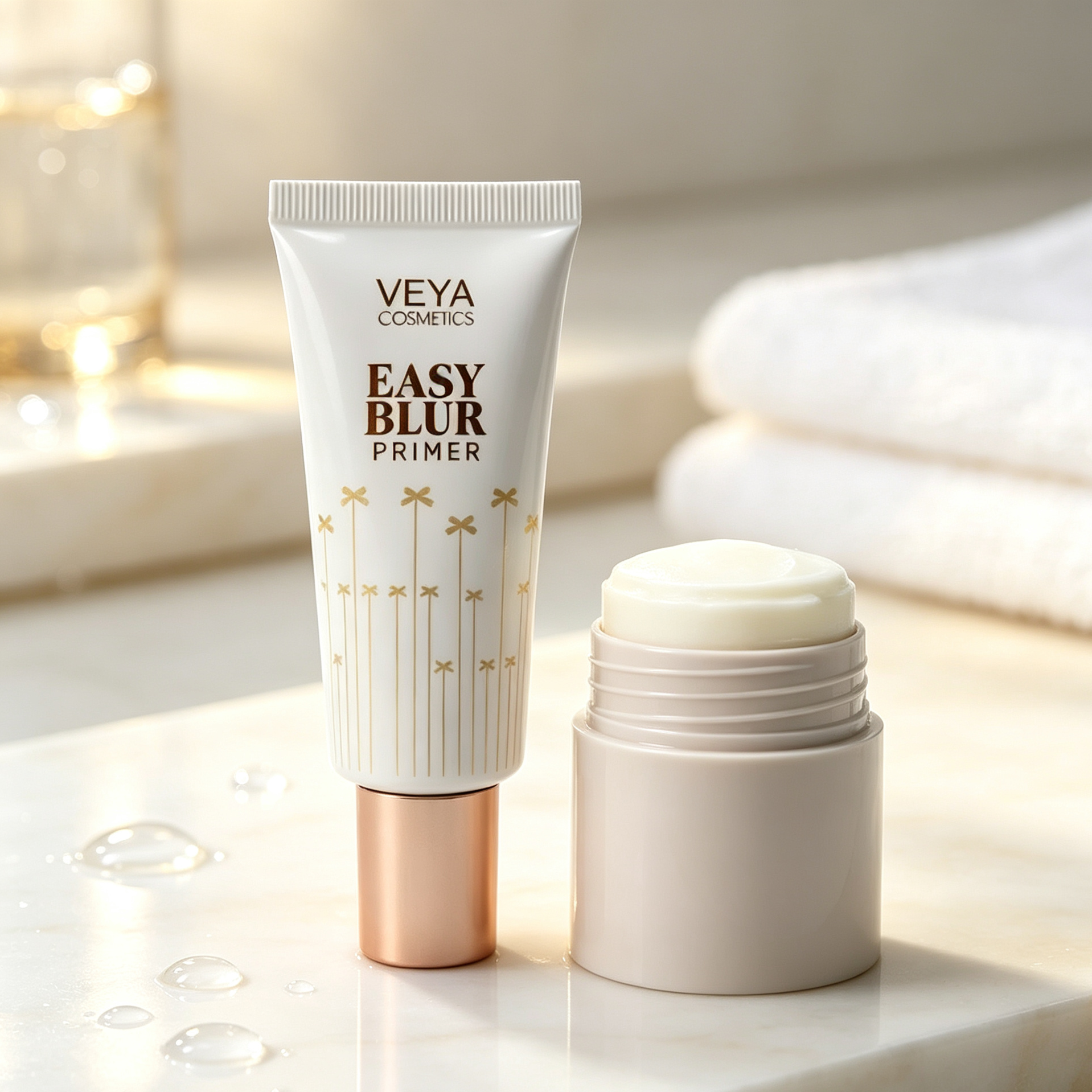
An Oil Control Face Primer can also get considered, when facial oil is a recurring concern during makeup preparation each morning. Rather than applying a large amount across every part of the face, users can consider where oil tends to appear and use the product according to its instructions on the label.
This area-based approach can make the makeup routine feel a lot more controlled overall. The forehead and nose may need different attention from the cheeks or areas that tend to feel drier by comparison.
Primer doesn't necessarily need treatment as a product that belongs everywhere in the same amount. Different parts of the face can have genuinely different surface conditions, especially for people with combination skin dealing with both oily and dry zones.
An Oil Control Face Primer may be particularly relevant to areas where facial oil tends to become visible during the day, like the T-zone. Applying it selectively can make the preparation process a lot easier to adjust to personal skin patterns over time.
| Face Area | Common Consideration |
|---|---|
| Forehead | Often needs oil control attention |
| Nose | May require selective primer use |
| Cheeks | Often needs less oil-focused product |
| Chin | May vary depending on individual skin |
| Jawline | Usually needs minimal extra treatment |
The amount should also follow the product instructions, rather than getting increased simply because the skin becomes oily partway through the day. More product doesn't automatically solve every makeup preparation concern that comes up.
Before applying foundation, it can help looking at the skin under ordinary lighting near a window. If some areas still appear excessively shiny, those sections may need additional preparation, while other areas can remain untouched entirely.
This approach keeps the routine focused on actual skin conditions, rather than applying the same treatment everywhere regardless of what's actually happening on the face.
The hairline can become a genuinely awkward area during makeup preparation, because sweat from the scalp and forehead may collect around the edge of the face. Hair products can also come into contact with the skin, creating another surface concern to manage.
If the area is damp, gently pressing it with a clean tissue can remove excess moisture without much fuss. Makeup shouldn't get applied while visible sweat is still running across the skin near the hairline.
| Hairline Situation | Useful Preparation |
|---|---|
| Light moisture | Gently blot the area |
| Noticeable sweat | Allow the skin to dry before makeup |
| Hair touching forehead | Move hair away during application |
| Oily hairline | Keep hair and face separate during preparation |
| Sweat after makeup | Press gently rather than rubbing |
Hair can also get moved away from the face temporarily during preparation, using a clip or headband. This makes it a lot easier to check the hairline and forehead before applying base makeup on top.
The same principle applies after makeup has already gone on. If sweat develops later in the day, wiping the face repeatedly can disturb the makeup underneath. Lightly pressing the area may be a lot less disruptive than rubbing at it.
Facial preparation is only part of getting ready in the morning. Body sweating can also affect clothing, hair, and the overall makeup experience once someone steps outside.
Someone may shower, get dressed, begin applying makeup, and then start sweating while preparing breakfast, walking to work, or standing in a warm room. If perspiration appears around the underarms or other areas, clothing may feel a lot less comfortable before the makeup routine is even finished.
| Body Care Step | Practical Role |
|---|---|
| Showering | Removes residue from the previous day |
| Applying antiperspirant | Addresses body perspiration separately |
| Getting dressed | Should follow after body-care products settle |
| Facial preparation | Handles skin condition separately from body |
| Final check | Confirms both areas feel comfortable |
An Invisible Dry Stick Antiperspirant can get used as part of a personal body-care routine when appropriate for that person's needs. Following the product's directions and applying it to the intended area can help keep body preparation separate from facial makeup preparation entirely.
This distinction matters, because body perspiration and facial oil are genuinely different concerns to manage. A body antiperspirant isn't a substitute for facial skin preparation, while a facial primer isn't intended to replace ordinary body-care products used elsewhere.
Weather can genuinely alter how much attention sweat and facial oil need before makeup goes on. Warm or humid conditions may make perspiration a lot more noticeable, while cooler conditions may leave the skin feeling different after cleansing.
Outdoor travel can create another situation entirely worth planning for. A person may begin makeup at home and then spend time walking outside before reaching work or another destination, meaning the skin condition at the start of the day may not remain the same by the time they arrive.
| Environment | Possible Skin Change |
|---|---|
| Warm indoor room | More noticeable facial moisture |
| Humid outdoor conditions | Sweat may remain on the skin longer |
| Cool dry environment | Skin may feel less oily |
| Active outdoor routine | More body and facial perspiration |
| Changing indoor and outdoor spaces | Skin condition may change during preparation |
This doesn't mean completely changing the makeup routine whenever the weather shifts a little. Small adjustments may be enough, such as allowing the skin to dry before applying products or giving oily areas a bit more attention that day.
The useful habit is checking the skin rather than following yesterday's routine without any adjustment at all.
Exercise creates a genuinely different starting point, because the skin may already be warm and sweaty by the time it's over. Applying makeup immediately after physical activity can feel uncomfortable and may make it a lot harder to create an even base.
After exercising, it's useful letting visible sweat settle and gently removing excess moisture before doing anything else. If the face needs cleansing, the usual skincare routine can follow before makeup even gets considered.
Body sweating should also get handled separately from the facial routine. Changing into dry clothing and addressing areas affected by perspiration can make the transition from exercise to makeup a lot more comfortable overall.
Someone who regularly moves between exercise and work may benefit from having a simple preparation routine ready to go. The goal isn't adding many extra steps but removing the moisture and oil that are actually present at that moment.
Some makeup problems begin with preparation habits rather than the makeup itself sitting on the shelf. Rubbing the face repeatedly, applying products over damp skin, or using too many layers can make the surface a lot harder to manage as the day goes on.
Another common issue is treating every shiny area in exactly the same way. The forehead, nose, cheeks, and chin may not produce the same amount of oil, so uniform treatment may not suit the whole face equally.
| Common Mistake | Better Approach |
|---|---|
| Rubbing the face repeatedly | Blot gently instead |
| Applying makeup over damp skin | Wait for skin to dry first |
| Treating every area the same | Focus on actual oily zones |
| Skipping the settle time after skincare | Give products a few minutes |
| Adding too many product layers | Keep the routine simpler |
Applying makeup too soon after skincare can also create a genuinely slippery feeling underneath. Giving the skin a short period to settle may make the next step a lot easier to manage.
These habits keep preparation practical rather than overcomplicated. They also make it easier identifying which part of the routine may need adjustment, when makeup doesn't sit as expected that morning.
Sweat and facial oil can return after makeup has already been applied, especially during long workdays, commuting, outdoor activities, or warm weather. The response doesn't always need removing and reapplying the entire makeup base from scratch.
If shine appears, gentle blotting can remove some excess oil without adding another layer immediately on top. If sweat appears instead, pressing the affected area carefully can help remove moisture without unnecessary rubbing that disturbs everything underneath.
| Situation | Possible Response |
|---|---|
| Light facial shine | Gently blot |
| Small area of sweat | Press the area carefully |
| Makeup remains even | Avoid unnecessary touch-up |
| Base has moved in one area | Correct that area rather than the entire face |
| Body perspiration appears | Address the affected body area separately |
Touch-ups can then get limited to areas where the makeup has actually changed rather than the whole face. This avoids repeatedly adding product to parts of the face that remain in genuinely good condition already.
A practical makeup routine leaves room for these changes throughout the day. Skin isn't static from morning until evening, so preparation can get viewed as an ongoing process, rather than a single step completed before leaving home.
For beauty retailers, customer questions about sweat and oil often reveal genuine gaps in product descriptions online. Shoppers may not know whether a product is intended for facial preparation, body perspiration, or both areas at once.
Clear product information can reduce confusion by explaining the intended area and role of each item clearly. An Oil Control Face Primer should get presented in the context of facial makeup preparation, while an Invisible Dry Stick Antiperspirant belongs to body-care routines instead.
| Product Detail | Why It Helps Shoppers |
|---|---|
| Intended application area | Prevents mismatched expectations |
| General texture and feel | Helps customers picture the experience |
| Role within a routine | Clarifies when to use the product |
| Facial or body designation | Avoids confusing the two categories |
| Basic application steps | Supports correct first-time use |
Retailers can also avoid broad promises about makeup lasting through every condition imaginable. Sweat, oil production, weather, activity, skincare habits, and clothing all influence the actual experience a customer has.
This gives shoppers a lot more realistic information before purchase decisions get made. It also creates a clearer connection between the product and the actual problem the customer is genuinely trying to manage that day.
Your email address will not be published. Required fields are marked *