English
 Español
 Deutsch
Industry News

(86-579)8507 2566
Welcome to Zhejiang Weiya Cosmetics Co., Ltd.





Welcome to Zhejiang Weiya Cosmetics Co., Ltd.
Sep 24, 2026
Choosing a makeup palette can feel genuinely very different depending on who will use it. A beginner may want simple color choices and an easy way to understand where each product belongs on the tray. A professional makeup artist may need broader options for different faces, skin tones, makeup styles, and working situations that shift client to client.
A well-planned palette can serve both groups when its colors, textures, layout, and packaging genuinely work together. The difference often comes from how the products get organized, rather than how many shades are included on the page.
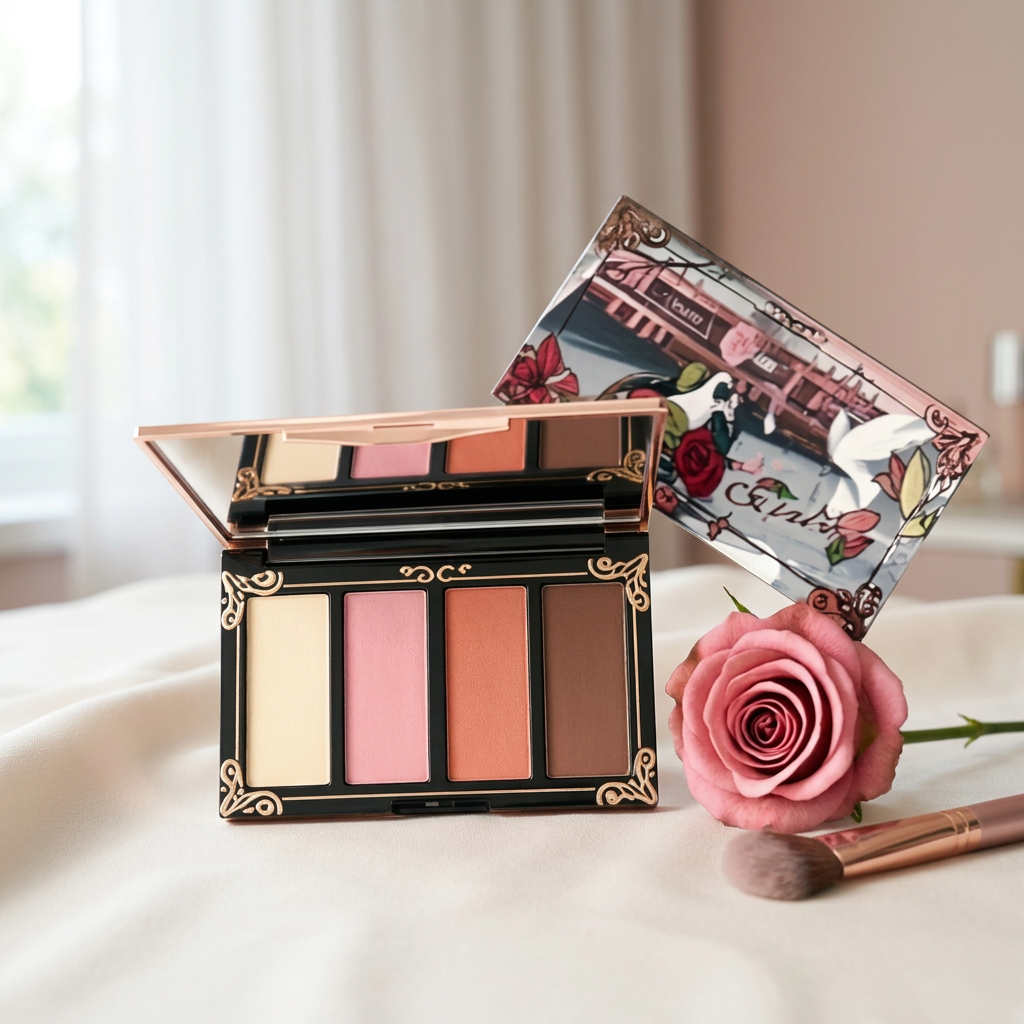
An All In One Makeup Palette Kit can make a routine genuinely easier to organize by bringing several makeup functions into one package sitting on a shelf. Meanwhile, a specialized palette may give experienced users genuinely more freedom to create specific finishes or adjust colors for individual clients sitting in the chair. The right selection therefore depends on the user's routine, skill level, storage needs, and preferred makeup style.
Makeup users don't all approach cosmetics the same way. A beginner may prefer a clear layout that reduces the number of separate products needed on the counter. A professional may already understand different formulas and want a palette that allows several combinations during a working session with a client.
The palette can influence how quickly users find a color and how easily they move between different makeup steps mid-application.
| User Type | Common Palette Preference |
|---|---|
| Beginner | Simple layout and easy color coordination |
| Makeup enthusiast | Flexible combinations and varied finishes |
| Makeup student | Useful selection for practice |
| Professional artist | Adaptable colors for different clients |
| Mobile artist | Compact organization and portability |
These needs can genuinely overlap in practice. A beginner may appreciate having several products together on one tray, while a professional may value the same arrangement because it reduces the number of individual items carried to a job site.
Palette selection is therefore not only about experience level. It's also about how the products will genuinely get used day to day.
Beginners often face a genuinely simple problem: there are many makeup products to understand, and each one appears to have a different purpose scrawled on the label. An All In One Makeup Palette Kit can reduce this complexity by placing several related products together on one tray.
Instead of choosing separate blush, contour, eyeshadow, and other products scattered across a drugstore aisle, a beginner can work from one organized palette instead.
This can make experimentation genuinely easier at home. A beginner can learn how different colors affect the face without needing a large cosmetic collection cluttering a bathroom drawer. The palette also provides an opportunity to practice combining shades before committing to a full look.
Useful features for beginners may include clear product arrangement alongside easy-to-understand color groups laid out logically. Comfortable application areas matter too, along with a practical mirror built into the case. Simple storage counts, along with portable packaging that survives a gym bag.
The goal is making the learning process genuinely less confusing for someone starting out. A palette doesn't need to teach makeup techniques by itself. It can simply make the products genuinely easier to see, compare, and use one after another.
Professional users have genuinely different demands than someone practicing at home. A makeup artist may work with people who have different skin tones, face shapes, preferences, and makeup requirements from one appointment to the next. A single color may not be appropriate for every client walking through the door.
A palette with several coordinated shades can give the artist genuinely more room to adjust a look on the fly. Professional users may also combine colors, rather than using each shade alone straight from the pan.
A blush color, for example, can get softened with another shade blended in. A contour tone can get adjusted by mixing it with a lighter or warmer color depending on the client's complexion.
This makes palette organization genuinely important for someone working against the clock. A professional palette should allow the user to identify colors quickly while working through a booking.
| Professional Need | Useful Palette Characteristic |
|---|---|
| Different clients | Flexible shade selection |
| Multiple makeup styles | Varied color combinations |
| Fast application | Easy product identification |
| Mobile work | Convenient storage |
| Touch-ups | Quick access to commonly used shades |
| Creative work | Colors that can be combined |
A professional user may therefore evaluate a palette according to flexibility, rather than simplicity alone.
Cream products can provide a genuinely workable format for users who want to blend and adjust facial color without much fuss. An All In One Cream Contour Palette can combine contour-related shades in one organized space on a single pan. This can help beginners understand the relationship between lighter and deeper tones, while giving experienced users genuinely more control over shaping a cheekbone or jawline.
Beginners can start with a small amount and blend gradually with a finger. Experienced users can combine shades according to the client's complexion and desired makeup style that day.
The cream format also allows users to work with different tools depending on preference.
| Application Method | Possible Use |
|---|---|
| Fingers | Quick and direct blending |
| Makeup sponge | Soft distribution |
| Brush | Controlled placement |
| Mixing surface | Combining shades before application |
The user's technique still genuinely affects the result at the end of the day. A palette can provide color options, but the amount applied, placement, and blending method remain genuinely part of the process regardless of the product.
This makes cream contour palettes suitable for learning, as well as genuinely more detailed makeup work done professionally.
A beginner may not genuinely know which colors can work together without some guidance. A palette with a logical arrangement can make this genuinely easier to understand at a glance. Related shades placed near each other can help users compare colors without searching through several separate products scattered across a vanity.
Clear organization can also reduce hesitation during application, which matters when you're running late. A palette, for example, may group blush shades together while keeping contour colors in another section entirely. Eyeshadow colors can get arranged by related tones or finishes so nothing feels random.
The arrangement doesn't need to be genuinely complicated to work well. A simple visual structure can help users understand what they're holding and how different products relate to one another on the same tray.
For beginners, this can make the makeup process feel genuinely more approachable rather than overwhelming. For experienced users, the same organization can save genuinely real time during repeated application throughout a busy week.
An Eyeshadow Blush Contour Palette brings several face and eye makeup functions into one product sitting in a bag. This format can prove genuinely useful for people who prefer coordinated makeup, rather than selecting individual colors from separate packages scattered around a bathroom.
The palette can support several stages of a makeup routine in sequence.
| Makeup Area | Palette Function |
|---|---|
| Eyes | Adds color and definition |
| Cheeks | Creates a blush effect |
| Face | Adds contour and visual structure |
| Color coordination | Helps connect different makeup areas |
For beginners, having these products together can genuinely simplify product selection before a night out. For professionals, the combination can provide a genuinely compact working set for certain makeup applications booked back to back.
The usefulness depends genuinely on the palette's color relationships and how easily users can combine the shades in the moment. A palette that allows colors to work across different makeup areas can also encourage genuinely creative application beyond the obvious pairing.
Beginners can benefit from focusing on usability, rather than collecting a large number of products just to have options. A practical palette should make it genuinely easy to understand what each section is intended for at a glance.
Color clarity should make different shades genuinely easy to distinguish under normal bathroom lighting. Product layout should allow users to identify each makeup area quickly without hunting. Texture familiarity can make application genuinely easier to practice on a lazy Sunday. Blendability can give beginners genuinely more control over the final appearance without overdoing it. Packaging should stay comfortable to store and carry in a small bag. Color coordination can reduce uncertainty when creating a complete look before heading out the door.
Beginners don't necessarily need a palette designed only for beginners, though. A flexible palette can continue to prove useful as their skills genuinely develop over months of practice. This can make the product genuinely relevant beyond the early learning stage entirely.
Professionals often need to adapt makeup to different people, rather than repeat the same look appointment after appointment. This makes flexibility genuinely important to how they shop for tools.
A makeup artist may want to create a soft daytime appearance for one client and a genuinely more defined evening style for another booked right after. Different skin tones may also require adjustments in color intensity and warmth from one face to the next.
A palette that supports mixing can provide genuinely more possibilities without requiring a large collection of separate products cluttering a kit bag.
Professionals may consider shade range alongside color relationships worked out across the pan. Finish variety matters too, along with product texture suited to different techniques. Ease of mixing deserves attention, along with packaging design that survives daily transport. Cleaning and storage count, along with portability during appointments booked across a city.
The palette should fit the artist's genuine workflow rather than fighting it. A compact product can prove useful for mobile work done on location, while a larger working palette may make genuine sense when many colors need to remain available at the same time in a studio.
A versatile palette can get used in genuinely different ways depending on the day. The same eyeshadow color may work as a soft wash or a stronger accent, depending on the application method chosen. A blush shade can get blended lightly or built into a genuinely more visible cheek color for an evening look.
Contour colors can also get adjusted through placement and blending technique alone. This flexibility genuinely matters because makeup preferences change from morning to night.
A user may want a simple look on a workday and a genuinely more defined style for a social occasion that evening. A professional may need to move between several styles during the same working period without switching kits.
Palette selection can therefore focus on combinations, rather than individual shades picked in isolation. The ability to mix and layer gives users genuinely more control over the final appearance they walk out wearing.
Skin tone is a genuinely important part of color selection that shouldn't get skipped. A shade may appear genuinely different on different complexions sitting side by side. Undertones can also change how warm, cool, or neutral colors look after application settles.
This means users should consider how a palette's colors relate to the people who will genuinely use them day to day. For personal makeup, the user's own complexion is the main reference point. For professional makeup, the palette may need to accommodate a genuinely wider range of complexions walking through the door.
| Skin Consideration | Palette Question |
|---|---|
| Light complexion | Are softer colors easy to control? |
| Medium complexion | Do the shades remain visible after blending? |
| Deep complexion | Do the colors provide suitable contrast? |
| Warm undertone | How do warm shades appear? |
| Cool undertone | How do cooler shades interact with the complexion? |
| Neutral undertone | How balanced do the colors appear? |
There's genuinely no single palette arrangement that works identically for every user across the board. Testing and practical experience can help users understand how colors genuinely behave on different complexions over time.
Color gets the attention, but texture can genuinely change the application experience underneath it all. Powder, cream, and other makeup formats behave genuinely differently on the skin depending on the day's humidity. Some users may prefer the ease of powder application, while others enjoy the flexibility of cream products blended with a finger.
Beginners may find one texture genuinely easier to control than another when starting out. Professionals may want several textures available because different clients and makeup styles call for genuinely different approaches on the same day.
Texture can also influence layering considerably. A product that blends smoothly may prove genuinely easier to combine with other makeup applied beforehand. A product with a genuinely more defined finish may prove useful when a clearer effect is required for photos.
Palette selection should therefore consider both color and texture together, not one without the other.
A well-organized palette can reduce unnecessary movement during a makeup routine done under time pressure. If related colors are genuinely easy to locate, users don't need to search through multiple containers scattered across a counter.
This can prove particularly useful when several makeup steps get performed together in one sitting. For a professional artist, small improvements in organization can also make a working station genuinely easier to manage between clients. For a beginner, fewer separate containers can make the routine feel genuinely simpler on a rushed morning.
Useful design elements may include clearly separated product areas laid out on the tray. A layout that supports natural application order helps too, along with easy-to-clean surfaces that wipe down fast. A secure closing mechanism matters for travel, along with a practical mirror built in for touch-ups. Comfortable packaging for storage rounds things out nicely.
The physical design should genuinely support the way users actually handle the product in real life, not just on a display shelf.
Makeup is often used genuinely away from home, not just at a bathroom sink. Travelers, students, makeup enthusiasts, and professional artists may all need to carry cosmetics between locations throughout a week.
A palette can reduce the number of separate containers that need to get packed into a bag. This is one reason multifunctional palettes can prove genuinely useful for mobile routines run out of a car trunk.
| User Situation | Portability Consideration |
|---|---|
| Daily commuting | Easy storage in a cosmetic bag |
| Travel | Compact organization |
| Makeup classes | Convenient practice setup |
| Client appointments | Easy access during application |
| Event preparation | Multiple products in one package |
Portability also involves protection from spills and cracks. The palette should close securely and remain genuinely practical during normal transportation tossed into a bag.
Users may also consider whether the internal layout allows them to identify products without opening several separate packages fumbled through in a rush.
Makeup skills develop through genuinely repeated use over weeks and months. A palette can support this process by allowing users to experiment with color placement, blending, and combinations without buying new products each time.
A beginner may start by using one shade at a time on a quiet evening. As confidence develops, they can combine colors and experiment with different finishes learned from tutorials.
This makes palette selection genuinely part of the learning environment itself. An organized palette can make it genuinely easier to compare similar shades and observe how small changes affect the final look in the mirror.
The product doesn't replace instruction or personal practice, of course. It simply gives users a genuinely practical way to work with several related makeup products in one place at their own pace.
Professional use introduces another genuine concern beyond color: workflow under pressure. A makeup artist may need to move quickly between products while keeping the working area organized between bookings. Searching through many individual containers can make the process genuinely less convenient when time is tight.
A multifunctional palette can place related products within one accessible space reached in seconds. However, professional users may also need flexibility beyond mere convenience alone.
They may want to mix shades, adapt colors for different complexions, and create different finishes without carrying an unnecessarily large collection weighing down a kit bag.
This makes the balance between organization and variety genuinely important to get right. A professional palette should fit the artist's working habits, rather than forcing every user into the same application method regardless of style.
Manufacturers can consider different levels of makeup experience during product development from the earliest sketches. Beginners often need clarity above everything else. Professionals often need flexibility instead. These requirements can genuinely exist within the same product when the layout is intuitive and the colors can get combined in several ways.
| Design Area | Beginner Consideration | Professional Consideration |
|---|---|---|
| Color layout | Easy to understand | Fast to identify |
| Shade selection | Simple combinations | Flexible mixing |
| Texture | Easy handling | Different application options |
| Packaging | Easy storage | Suitable for working use |
| Mirror | Supports personal application | Useful during client work |
| Product format | Clear functions | Adaptable workflow |
The objective isn't making every palette identical across the line. Different users may need genuinely different balances between simplicity, variety, portability, and creative freedom depending on how they shop.
Understanding the actual user group can help manufacturers decide which features genuinely deserve more attention during development.
Whether the buyer is purchasing for personal use, education, retail, or professional work, a few practical questions can genuinely clarify the selection before checkout.
Who will genuinely use the palette matters first, along with what makeup areas need covering in a typical routine. Whether cream, powder, or mixed textures are preferred deserves thought, along with whether the color selection suits the intended complexions walking through the door. Whether shades can get combined easily counts too, along with whether the packaging suits storage and travel demands. Whether users can identify each product without confusion matters, along with whether the palette fits the expected makeup routine day to day.
These questions can help buyers focus on actual use, rather than choosing a palette simply because it contains many different products crammed onto one tray. For beginners, ease of understanding may matter genuinely more than variety. For professional users, adaptability and workflow may receive genuinely greater attention during the decision.
An All In One Makeup Palette Kit, an All In One Cream Contour Palette, and an Eyeshadow Blush Contour Palette can each serve genuinely different routines, depending on their layout, colors, textures, and intended applications.
Your email address will not be published. Required fields are marked *