English
 Español
 Deutsch
Industry News

(86-579)8507 2566
Welcome to Zhejiang Weiya Cosmetics Co., Ltd.





Welcome to Zhejiang Weiya Cosmetics Co., Ltd.
Oct 13, 2026
Heavy base makeup and color cosmetics can change how people approach their daily cleansing routine. Foundation, contour, concealer, blush, and other complexion products may get applied in several layers, creating a richer makeup surface that needs removing carefully at the end of the day.
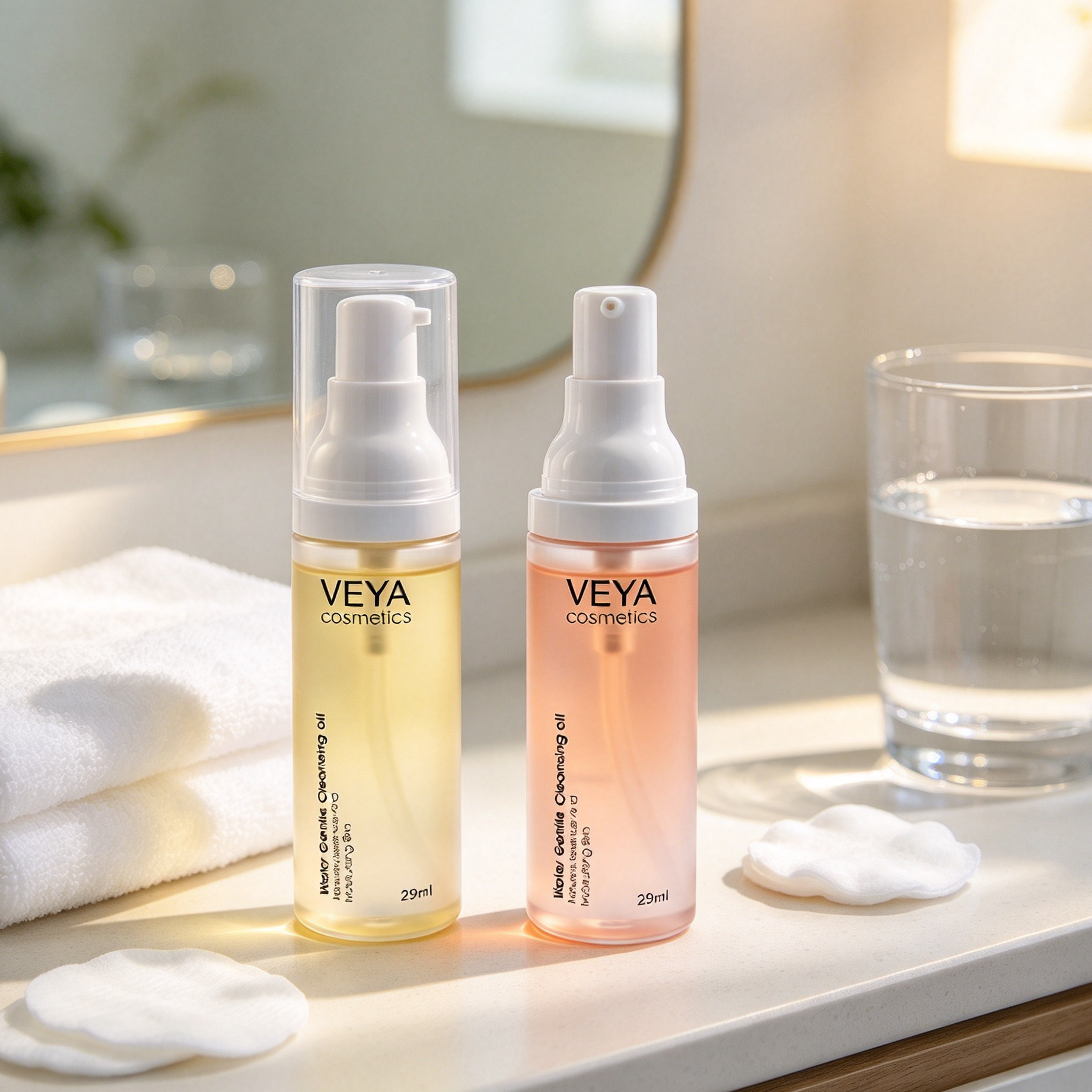
For many users, cleansing isn't simply about washing the face with water. Different cosmetic products can have genuinely different textures, and some may remain on the skin after a quick rinse. Mild Touch Cleansing Oil offers an oil-based approach that can help loosening makeup before the skin gets cleaned with the user's usual cleansing routine.
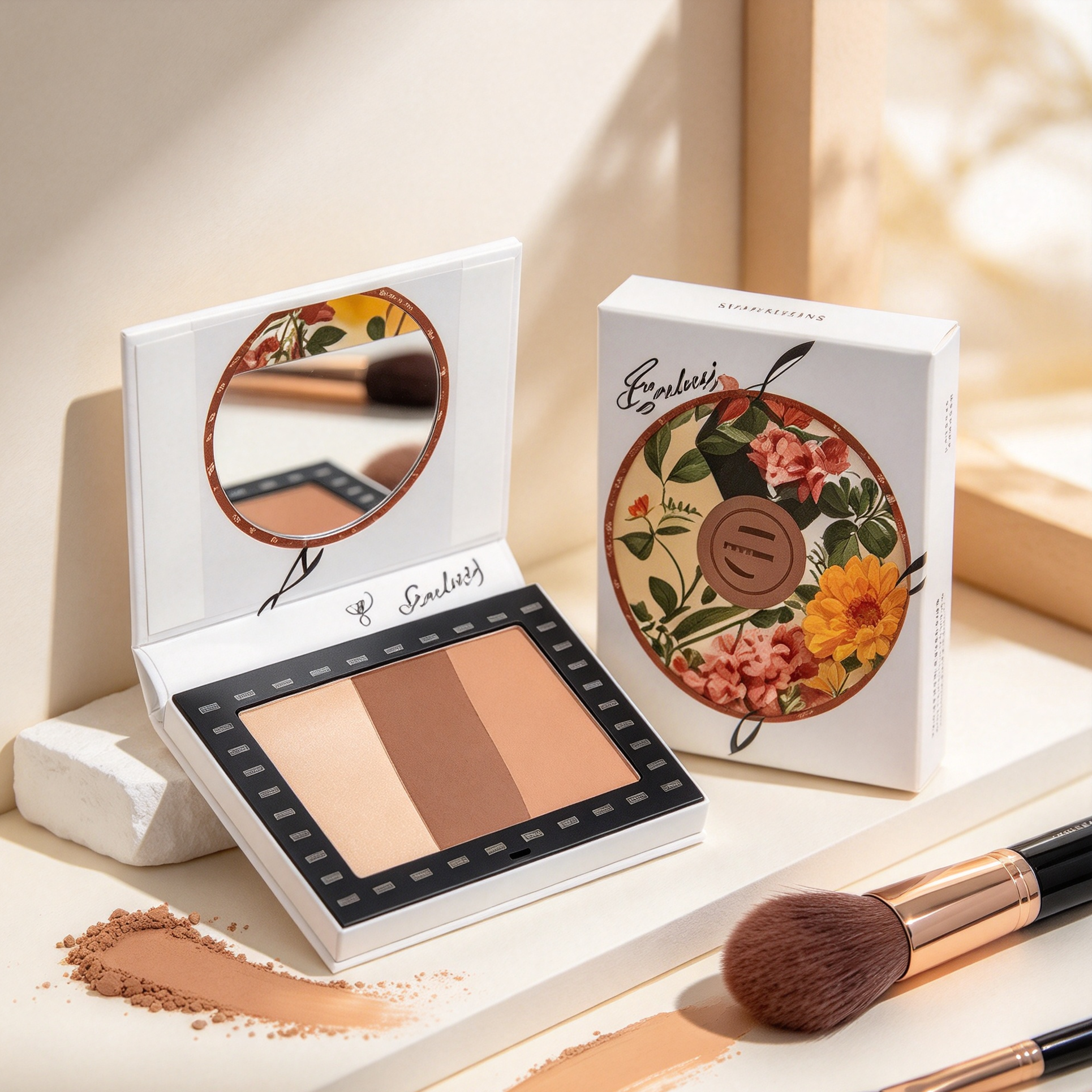
This type of cleansing product is particularly relevant to people who regularly use cream-based complexion products. A makeup routine built around a Cream Makeup Contour Palette, for example, may involve several shades across the cheeks, forehead, nose, and jaw area. Removing these layers requires attention to how the products get spread across the skin and how the cleanser gets used.
Heavy base makeup usually involves genuinely more than one cosmetic product. Foundation may cover a broad area, while concealer, contour, blush, and other products get added in selected areas. As genuinely more products get layered, the skin surface can contain several overlapping textures.
A quick rinse may not remove every cosmetic layer equally. Some areas may appear clean while small amounts of makeup remain around the nose, hairline, or other parts of the face. This is why a cleansing routine needs considering the type and amount of makeup being worn.
| Makeup Type | Common Cleansing Consideration |
|---|---|
| Foundation | Covers a broad area of the face |
| Concealer | May remain around selected areas |
| Cream contour | Can create additional color layers |
| Blush | Adds another cosmetic layer |
| Eye or lip color | May require focused removal |
The goal isn't scrubbing the skin repeatedly. A suitable cleansing process should help loosening cosmetic products while allowing them getting removed with controlled movements.
Oil-based cleansing products get designed around the way oil can interact with many cosmetic textures. When the cleansing oil gets spread over makeup, it can help loosening products from the skin surface.
The user can then gently massage the product across areas where makeup has been applied. As the cosmetics become loosened, they can get removed during rinsing or with the next cleansing step, depending on the product's intended use.
This process can feel genuinely different from washing the face with water alone. Instead of immediately trying moving makeup away with water, the cleansing oil gets used working with the cosmetic layer before removal.
The user's technique also matters here. Gentle, even movements can help distributing the cleansing product across areas covered by foundation and color cosmetics without unnecessary rubbing.
Color layering is common in modern complexion routines. A user may apply foundation as a base, add contour for visual depth, place blush over selected areas, and use additional products adjusting the overall appearance.
A Cream Foundation Contour Palette can be part of this type of routine because foundation and contour shades may get used together. When several cream colors overlap, removing them requires genuinely more than focusing on one visible shade.
The visible color can also change as different products mix during application. A contour shade may become less obvious after blending, but that doesn't necessarily mean the cosmetic layer has disappeared from the skin.
A cleansing oil can therefore prove useful as part of a routine that needs addressing several overlapping products. The user can work across the face, rather than treating every cosmetic shade as a completely separate layer.
Cream contour products are often spread across selected areas, rather than covering the entire face. This can make the makeup removal process somewhat different from removing a simple foundation layer.
When a Cream Makeup Contour Palette gets used, contour shades may get blended around the cheeks, forehead, nose, and jaw. The user can apply cleansing oil across these areas and gently work the product into the makeup.
The process should remain controlled, rather than aggressive. Excessive rubbing isn't necessary simply because the makeup appears heavier than usual.
A practical routine can start by applying the cleansing oil to the areas covered with makeup, followed by gently massaging the product across the cosmetic layer. Paying attention to areas where cream products have been layered comes next, with rinsing or removing the loosened makeup according to the product directions following close behind. Continuing with the user's normal cleansing routine rounds out the process.
This approach gives the cleansing product time interacting with the makeup before the remaining residue gets removed.
An All In One Cream Contour Palette can contain several complexion shades within one product format. Users may use different colors for contouring, highlighting, or creating transitions between complexion areas.
Using several shades doesn't necessarily mean cleansing needs becoming complicated. What changes is the amount and distribution of cosmetic product across the face.
Some users may apply several shades in the same area and blend them together. Others may use one shade in one area and another shade elsewhere. The cleansing routine needs covering the areas where these products have been applied.
A cleansing oil can provide a convenient way working across the whole makeup surface. Instead of trying identifying every individual shade during removal, the user can focus on loosening the cosmetic layer as a whole.
The way a cleanser gets applied can influence the overall experience. Rubbing too hard can make cleansing feel uncomfortable, especially when the skin has already been exposed to several cosmetic products during the day.
Gentle massage allows the cleansing product spreading across the makeup. It also gives the oil an opportunity loosening the cosmetic layer before the user rinses or removes it.
Areas with heavier makeup may need genuinely more attention, but that doesn't mean they need aggressive movement. A patient approach can prove genuinely easier controlling.
| Area | Possible Makeup Removal Focus |
|---|---|
| Cheeks | Contour, foundation, and blush layers |
| Forehead | Foundation and contour |
| Nose area | Foundation and blended contour |
| Jawline | Foundation and contour |
| Around the hairline | Base makeup residue |
The aim is working with the cleansing product, rather than relying on pressure removing makeup.
Different cosmetic textures can behave genuinely differently during application and removal. Cream products can spread across the skin and blend with nearby shades, while other products may feel lighter or more powder-like.
When several textures get combined, the final makeup surface can become genuinely more complex. Foundation may sit beneath cream contour, while blush or other color products get placed above it.
This is one reason a cleansing routine should match the makeup routine. A person who wears light makeup may have genuinely different cleansing needs from someone who regularly builds several complexion layers.
Mild Touch Cleansing Oil can get incorporated into a routine where oil-based cleansing is preferred. Users should still follow the product's intended directions and adjust the rest of their routine according to their personal needs.
Heavy base makeup is only part of a full cosmetic routine. Color cosmetics can also include products around the eyes and lips, where users may prefer genuinely more controlled cleansing movements.
These areas shouldn't necessarily get treated in exactly the same way as the cheeks or forehead. The user may need applying the cleansing product carefully and avoiding unnecessary rubbing.
The amount of product should also match the area being cleaned. There's little reason using the same approach for a small cosmetic area and a larger foundation-covered area.
A thoughtful routine separates broad makeup removal from areas that require genuinely more careful handling. This can make the process genuinely easier managing at the end of the day.
Makeup can change during daily wear. Foundation may mix with other products, contour may become less defined, and additional color cosmetics may get added during touch-ups throughout the day.
These changes can leave several layers of cosmetic product on the skin by the end of the day. A cleansing oil can get used helping loosen the accumulated makeup before the face gets cleaned further.
This is particularly relevant for users who regularly refresh their makeup. A second application of foundation or contour adds another cosmetic layer that becomes part of the evening cleansing routine.
The user doesn't necessarily need a complicated removal process. Consistent application of the cleansing product can help make the routine genuinely more manageable.
Packaging affects how easily users can incorporate a cleansing product into their daily routine. A bottle that's easy handling can make it genuinely simpler dispensing the product without interrupting the cleansing process.
The opening and dispensing design also influence how much product gets released during use. Clear labeling and practical packaging can help users understanding how the product is intended getting handled.
For cosmetic manufacturers and buyers, packaging is therefore part of the product experience. The cleanser itself may receive genuinely most attention, but the container affects storage, dispensing, and everyday handling.
A product intended for frequent use benefits from packaging that fits naturally into a bathroom or personal care environment.
Business buyers may evaluate cleansing oil from several perspectives. Product positioning, packaging, intended user group, texture, and compatibility with common cosmetic routines can all influence purchasing decisions.
Buyers serving makeup users may also consider whether the product fits routines involving cream foundations and contour products. A cleanser positioned for everyday makeup removal should communicate its intended use clearly without relying on exaggerated claims.
| Buyer Consideration | Practical Question |
|---|---|
| Product positioning | Is the intended cleansing use clearly communicated? |
| Texture | Is the product suitable for the expected routine? |
| Packaging | Is dispensing convenient for regular use? |
| Makeup compatibility | Can it fit routines involving layered cosmetics? |
| User experience | Is the cleansing process easy to understand? |
Clear communication can help buyers selecting products that match the needs of their target customers.
Manufacturers can consider the makeup removal process when developing cleansing products. Modern cosmetic routines often involve several products, rather than one simple layer, so cleansing products need fitting these changing habits.
Product development can focus on how the cleansing oil spreads, how users handle it, and how easily it fits into a broader cleansing routine. Packaging can get considered alongside the product itself throughout development.
The relationship with color cosmetics is also worth considering here. Products such as an All In One Cream Contour Palette may encourage users working with several shades during one makeup session, creating a need for practical removal afterward.
Manufacturers can therefore consider the makeup removal experience alongside product texture and ease of application. Packaging and dispensing matter next, along with compatibility with layered complexion routines, followed by everyday storage and handling. These factors influence how a cleansing product fits into real consumer routines day to day.
A practical cleansing routine doesn't need involving complicated steps. The key is recognizing that heavier makeup may require genuinely more deliberate removal than a light cosmetic layer.
Users can begin by identifying the areas where foundation, contour, blush, and other products have been applied. The cleansing oil can then get distributed across these areas with gentle movements before the makeup gets removed according to the product's directions.
After the cosmetic layer has been removed, users can continue with their usual cleansing and skincare routine. The exact sequence can vary according to personal preferences and the products being used.
For people who regularly use a Cream Foundation Contour Palette or similar complexion products, this approach can make evening cleansing genuinely easier organizing. The focus remains on loosening the makeup carefully, rather than repeatedly rubbing the skin.
Makeup routines continue changing as consumers combine complexion products, color cosmetics, and multi-use palettes. The growing use of cream products also means makeup removal needs fitting routines where several shades can get blended together.
A Mild Touch Cleansing Oil can occupy a practical place in this process by providing an oil-based option for loosening makeup before further cleansing. Its role connects not only to the cleanser itself but also to how users apply foundation, contour, blush, and other products during the day.
For cosmetic businesses, understanding this relationship can support product development, packaging decisions, and product communication. For users, understanding how layering affects removal can make the evening cleansing routine genuinely easier organizing and adjusting to different makeup habits.
Your email address will not be published. Required fields are marked *