English
 Español
 Deutsch
Industry News

(86-579)8507 2566
Welcome to Zhejiang Weiya Cosmetics Co., Ltd.





Welcome to Zhejiang Weiya Cosmetics Co., Ltd.
Nov 25, 2026
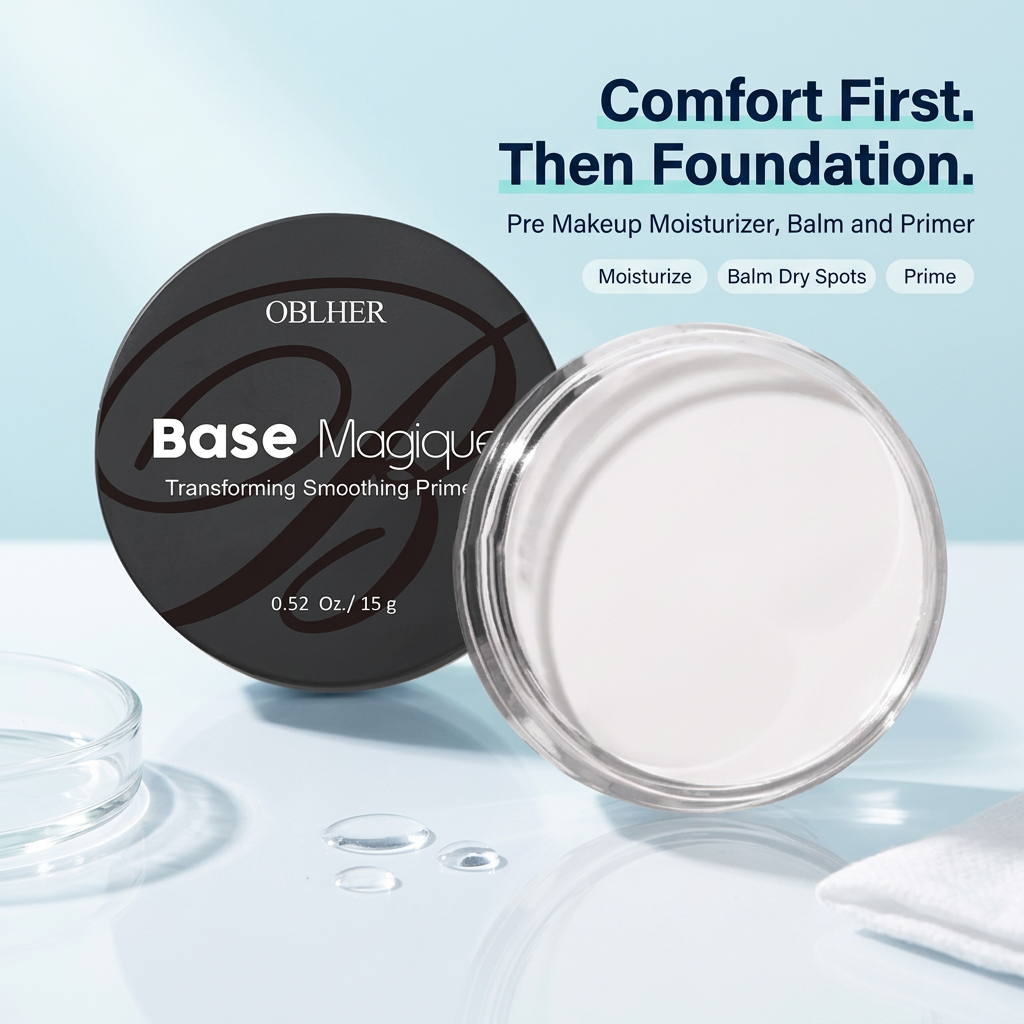
A smooth foundation finish starts well before the foundation bottle is opened. It depends on how the skin feels in the minutes after cleansing. A Pre Makeup Moisturizer softens dry areas and gives complexion products a comfortable surface to rest on. A Hydrating Face Balm and a Makeup Base Primer can then add targeted care and surface preparation. Used with restraint, the three products help foundation look like skin instead of a heavy layer sitting on top of it.
Foundation adds coverage and evens out tone, but its finish depends on the skin underneath. Rough or tight skin gives pigment uneven ground. Product collects in small ridges, skips over flaky spots, and becomes hard to blend.
Applying more foundation rarely solves this. Extra layers tend to sharpen the very patches they were meant to hide.
A commuter who walks through cold wind and then sits under an office heater often sees these signs by late morning. The foundation was not applied badly. The skin simply lost moisture along the way.
A comfortable skin surface lets makeup spread with less friction. This matters most for people who wear foundation all day or prefer a light, skin-like finish. Preparation focuses on moisture, suitable textures, and formulas that work together, not on stacking coverage.
A Pre Makeup Moisturizer is skincare applied before makeup to support hydration. Foundation provides coverage, and primer prepares the makeup surface. Moisturizer handles the skin itself, which is why it comes first.
Hydration softens the look of dry, flaky areas. Skin that feels less tight usually takes foundation more evenly, especially across the cheeks, chin, and sides of the nose.
Foundation moves more easily over a settled, moisturized surface. Fewer passes with the sponge or brush are needed, and that reduces the rubbing that lifts dry skin. Results still depend on the moisturizer, the foundation texture, and how well the two suit each other.
Polished makeup no longer means heavy coverage. Many people now keep some skin texture visible and add coverage only where it is needed. A hydrated base supports that approach, because the skin already looks comfortable before any color is applied.
Moisture needs vary across one face. Cheeks may feel dry while the forehead and nose stay comfortable or turn shiny. A Hydrating Face Balm handles that uneven pattern because it has a richer texture and can be placed exactly where it is needed.
A small amount is usually enough. Warm it between the fingertips and press it onto the skin instead of rubbing.
| Feature | Pre Makeup Moisturizer | Hydrating Face Balm |
|---|---|---|
| Main purpose | General hydration | Targeted conditioning |
| Texture | Lotion, gel, or cream | Richer and more emollient |
| Application | Across the face | Selected dry areas |
| Routine role | Daily foundation preparation | Extra care when needed |
Using both does not mean thick layers everywhere. A light moisturizer over the face, followed by a little balm on dry spots, is usually enough. Add balm when cold weather tightens the skin or when foundation keeps emphasizing flakes. Combination skin benefits from selective use. If the surface feels slippery, reduce the amount.
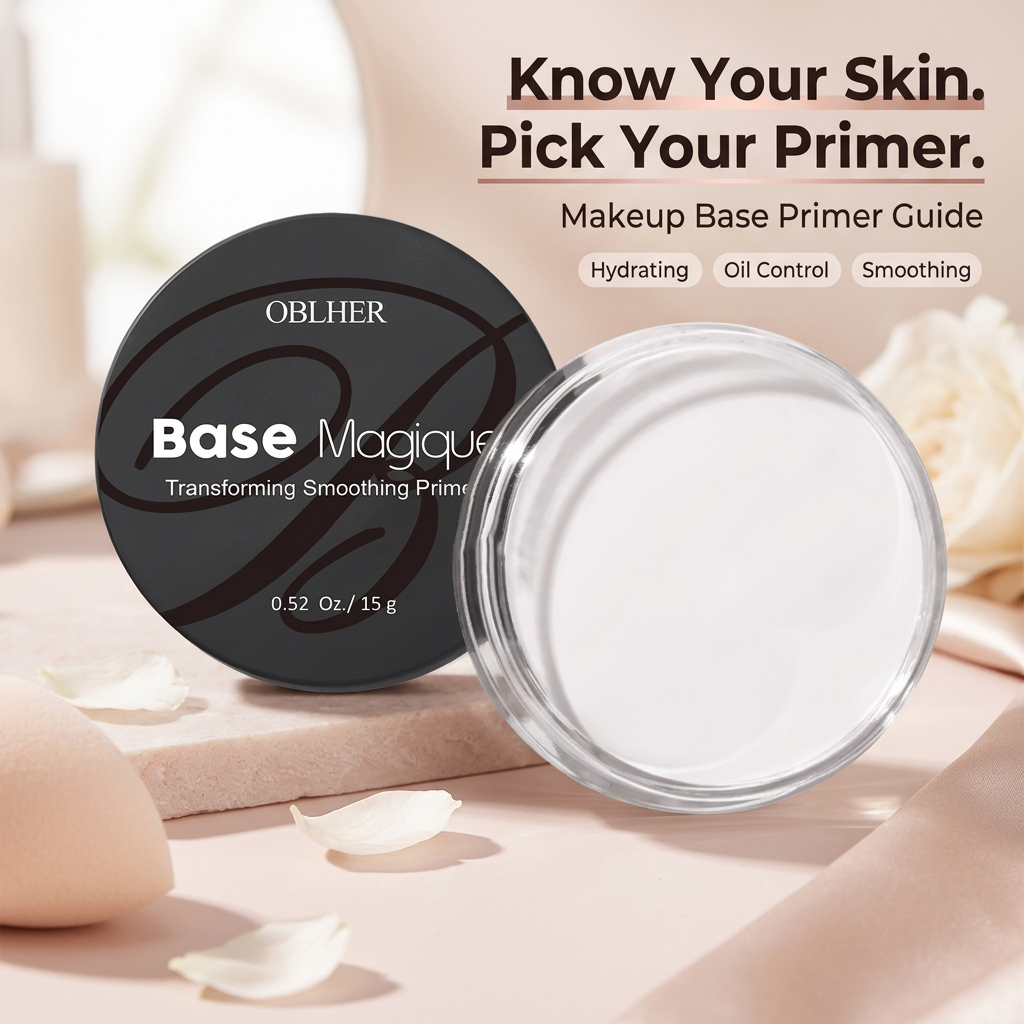
People often ask whether moisturizer and primer can replace each other. They have different jobs. Moisturizer hydrates the skin, while a Makeup Base Primer prepares the surface for complexion products. Some primers also hydrate, which creates overlap, but the main purpose stays the same.
Depending on the formula, a Makeup Base Primer may soften the look of uneven texture, help foundation spread, give a hydrating or soft-focus finish, or support wear through the day. Finishes differ. Some formulas add moisture, others control shine, and others blur pores. Choose one that suits both your moisturizer and your foundation.
| Concern | Product to Consider | Benefit |
|---|---|---|
| Skin feels dry or tight | Pre Makeup Moisturizer | Adds hydration |
| Flaky patches on cheeks | Hydrating Face Balm | Targeted moisture |
| Foundation looks uneven | Makeup Base Primer | Prepares the surface |
| Light base wanted | Hydrating primer | Combines both roles |
Not every routine needs all three products every day. If moisturizer alone leaves the skin comfortable and foundation applies smoothly, primer can wait.
Too many products applied too quickly cause pilling, slipping, and patchy coverage. A short sequence with pauses between steps avoids this.
Texture affects comfort under foundation. A product chosen for its promised glow may feel wrong on skin that needs something different.
Winter calls for attention to dry areas, since heating and cold air change how skin feels. A Pre Makeup Moisturizer supports comfort, and a little balm covers the driest spots. Check how the products sit together before adding more.
For an office day, a simple routine is easier to keep up: a light moisturizer, a little primer where needed, and thin foundation. A natural look relies on balanced hydration, with concealer added only where coverage is wanted.
Suitable products can still perform badly when application creates buildup.
A suitable base fits the person's skin, foundation, and daily routine. Texture, ingredients, and compatibility all matter.
| Ingredient | Common Purpose |
|---|---|
| Glycerin | Humectant that attracts and holds moisture |
| Hyaluronic acid | Supports hydration |
| Squalane | Emollient that softens skin |
| Ceramides | Support the skin barrier |
| Panthenol | Conditions and moisturizes |
Ingredient names alone say little. The formula should spread evenly, feel comfortable, and work with the foundation worn over it. A light moisturizer suits daily preparation, a richer balm suits local dryness, and a hydrating primer suits people who want one product for both.
Beauty brands developing a moisturizing makeup base need to consider spreading behavior, absorption, packaging, and compatibility with different foundations, along with the ingredients. Planning a Hydrating Face Balm, Pre Makeup Moisturizer, or Makeup Base Primer starts with texture, target skin type, desired finish, and how consumers actually prepare their skin.
A Pre Makeup Moisturizer supports hydration, a Hydrating Face Balm gives extra care to dry areas, and a Makeup Base Primer prepares the surface for foundation. The combination that works depends on skin type, product compatibility, and the finish you prefer. Thick layers are not required for a natural look.
For brands developing a moisturizing makeup base or widening a beauty range, our team can discuss product concept, texture, target audience, and formulation requirements. Reach out to explore how a Hydrating Face Balm, Pre Makeup Moisturizer, or Makeup Base Primer could fit into your collection.
Your email address will not be published. Required fields are marked *