English
 Español
 Deutsch
Industry News

(86-579)8507 2566
Welcome to Zhejiang Weiya Cosmetics Co., Ltd.





Welcome to Zhejiang Weiya Cosmetics Co., Ltd.
Nov 24, 2026
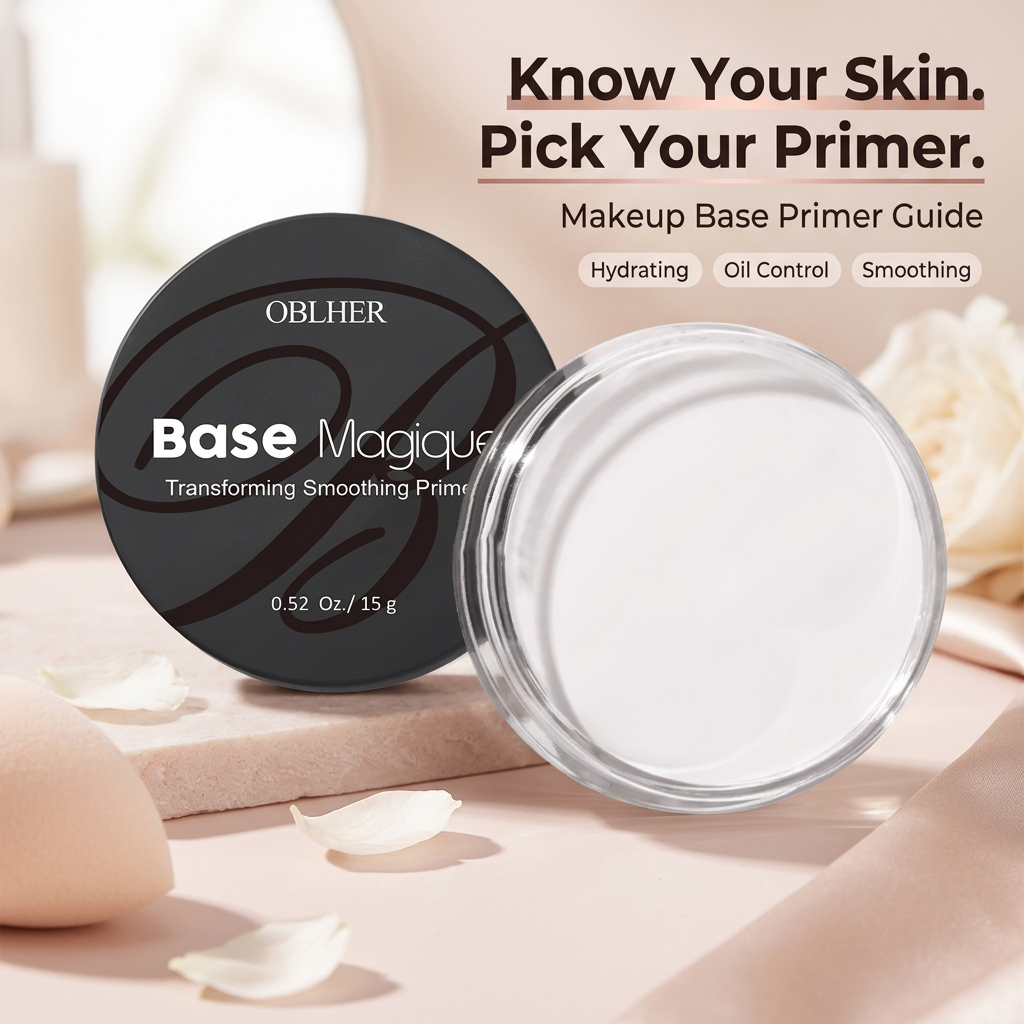
Someone with dry cheeks and a shiny forehead can stand at a shelf of primers and find no obvious answer. Each bottle promises a different finish, and each skin behaves differently from one week to the next. A Makeup Base Primer works best when it answers the problem you actually see after foundation goes on. That problem may be flaking, shine, or visible texture. A Hydrating Face Balm and a Pre Makeup Moisturizer also shape the result, so it helps to know where each product fits before you buy another one.
A primer is applied before foundation to create a suitable surface for makeup. Depending on the formula, it may add comfort, manage surface shine, or soften the look of texture. It does not replace skincare, and it does not cover every concern at once.
| Function | Main Purpose | Concern It Suits |
|---|---|---|
| Hydration | Adds comfort and a fresh look | Dryness, tightness, flaking |
| Oil control | Reduces the look of surface shine | Greasy-looking makeup |
| Smoothing | Softens the look of texture | Visible pores, fine lines |
Some formulas combine these functions. A product does not need to do all three to suit your routine, and a single-purpose primer is often easier to match to a real problem.
Skin type gives a starting point, but daily condition matters just as much. Oily skin can still feel dehydrated in winter, and dry skin can have a shiny nose. Weather, heating, and skincare layers all change how makeup sits.
After a full day of wear, ask a few questions:
The answers point to the function you need most urgently.
Dry skin gives foundation little to glide over. Product clings to flaky areas, gathers in fine lines, and leaves an uneven surface. A hydrating step before makeup addresses the cause instead of covering it.
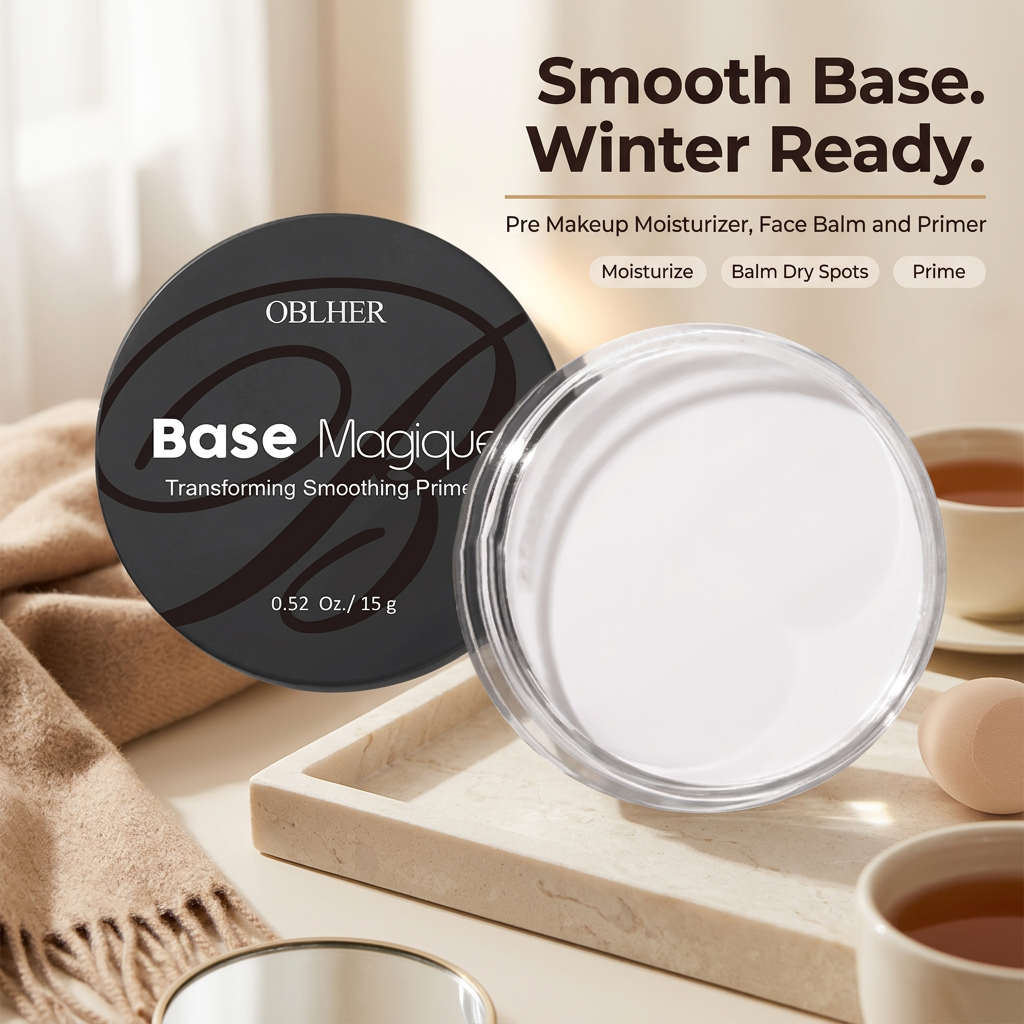
A Hydrating Face Balm has a richer texture than most lotions. It softens areas that feel tight, such as the cheeks, the sides of the nose, and the corners of the mouth. A small amount pressed onto those spots is usually enough.
A hydrating Makeup Base Primer can follow once the balm has settled. Look for a texture that spreads without much rubbing, feels light under foundation, and works with the formulas you already own. If makeup begins to slide, reduce the amount of balm or limit it to the driest patches.
Ingredient lists give useful clues, though texture matters as much as the label.
| Ingredient | Role in Skincare | Why It Helps Before Makeup |
|---|---|---|
| Glycerin | Draws and holds moisture | Skin feels more comfortable |
| Hyaluronic acid | Supports moisture retention | Reduces the tight feeling |
| Ceramides | Support the skin barrier | Help maintain comfort |
| Squalane | Softens as an emollient | Eases dry-feeling areas |
| Panthenol | Conditions the skin | Skin feels less tight |
A person who dislikes rich creams may prefer a light moisturizer with these ingredients, while someone with very dry cheeks may favor a balm.
Not every routine needs a dewy finish. On oily skin, foundation can look slick by afternoon, especially across the forehead, nose, and chin. An oil-control primer creates a finish that looks less greasy and more even.
Look for a lightweight texture that works with your foundation. A matte finish should not leave the skin feeling stripped. If dry areas feel uncomfortable after application, the formula is too strong for that part of the face.
Skipping moisturizer because the face turns shiny often backfires. Skin that feels tight may produce more shine through the day. A light Pre Makeup Moisturizer provides hydration without a heavy film, and it makes the primer layer easier to spread.
When the forehead and nose are shiny but the cheeks feel dry, treat the zones separately:
This avoids treating the whole face as if every area had the same needs.
Sometimes the skin feels comfortable and shows no excess oil, yet foundation still highlights pores or fine lines. A smoothing primer creates a softer-looking surface so the complexion looks more even.
Many use film-forming or silicone-based ingredients that help product glide and soften the look of texture. They do not change pore size or remove lines. The effect is cosmetic, and it helps foundation spread more evenly.
A smoothing formula suits people who notice pores around the nose and cheeks, find foundation settling into lines, or prefer a soft-focus finish with little added coverage.
Matte or dry-feeling smoothing primers can emphasize flakes if the skin has not been moisturized. Start with a moisturizer, let it absorb, then place a thin layer of primer only where texture shows. This keeps the surface comfortable while still softening the look of pores.
A formula that combines light hydration with a soft-focus finish can suit someone with both dryness and visible pores. The label alone does not show how it will perform. Check the texture, test it under your usual foundation, and watch how it wears.
No single formula suits every face, and the same face changes with the season. Use the following pairings as a starting point.
| Skin Concern | Priority | Product Direction |
|---|---|---|
| Dry skin | Hydration | Hydrating Face Balm, hydrating primer |
| Oily skin | Oil control | Lightweight mattifying primer |
| Combination skin | Balance | Targeted application by zone |
| Visible pores | Smoothing | Blurring primer on the nose and cheeks |
| Mature skin | Hydration and smoothing | Comfortable, softening base |
| Dehydrated oily skin | Light hydration | Light moisturizer with targeted oil control |
Using one product everywhere is not required. Apply hydrating formula on dry cheeks, smoothing primer around the nose, and oil control on the forehead. The chin can follow whichever concern shows by afternoon. This customizes the base without adding several full layers.
Skincare and makeup now overlap more than they used to. Many people prefer comfortable skin and a natural finish over heavy coverage. Each product still has its own job.
A balm moisturizes and softens, and its texture is richer than that of most primers. A Makeup Base Primer prepares the surface for foundation and may add hydration, oil control, or smoothing. A balm can be part of makeup preparation, but it does not automatically replace primer.
A Pre Makeup Moisturizer is skincare that hydrates the face. Primer addresses how makeup sits and looks. If moisturizer leaves the skin comfortable and foundation already applies evenly, primer may not be needed every day.
Order and amount shape the result as much as the products themselves.
In the daytime, sunscreen belongs in the skincare stage. Let it settle before makeup, and follow the product instructions.
Pilling happens when products roll into small crumbs. Common causes include too much moisturizer or balm, layering before the previous product settles, formulas that do not suit each other, and repeated rubbing. Use thinner layers and wait between steps. Begin with a small amount of primer and add more only where needed, since a thick coat can interfere with foundation.
Heating, air conditioning, and cold wind dry the skin, while warm humid days bring shine. A richer moisturizer may suit winter, and a lighter base may suit summer. Watch how your face behaves instead of keeping a fixed routine all year.
If dryness makes makeup look uneven, start with a Hydrating Face Balm or a hydrating primer. If shine is the main complaint, choose a light oil-control formula. If pores and texture show through foundation, a smoothing primer suits better.
Explore our pre-makeup range to compare textures and functions of Hydrating Face Balm, Makeup Base Primer, and Pre Makeup Moisturizer products. Choose a combination that matches your skin and preferred finish, so your makeup feels comfortable from application through the end of the day.
Your email address will not be published. Required fields are marked *