English
 Español
 Deutsch
Industry News

(86-579)8507 2566
Welcome to Zhejiang Weiya Cosmetics Co., Ltd.





Welcome to Zhejiang Weiya Cosmetics Co., Ltd.
Oct 14, 2026
Eyebrows shape how the entire face reads, even when the rest of a makeup routine stays minimal. A little color fills sparse patches, while a few well-placed strokes give the brows a cleaner line. The product reached for actually matters here, since different formulas create different finishes and demand different handling at the mirror.
Brow cream and brow pencil cover two common routes, but they're built for slightly different jobs. A pencil gives direct control drawing fine lines, while cream delivers a softer or more filled-in look depending on its texture and how it's applied. Getting a handle on these differences helps makeup users land on a product fitting their natural brows, their preferred style, and whatever routine actually fits their morning.
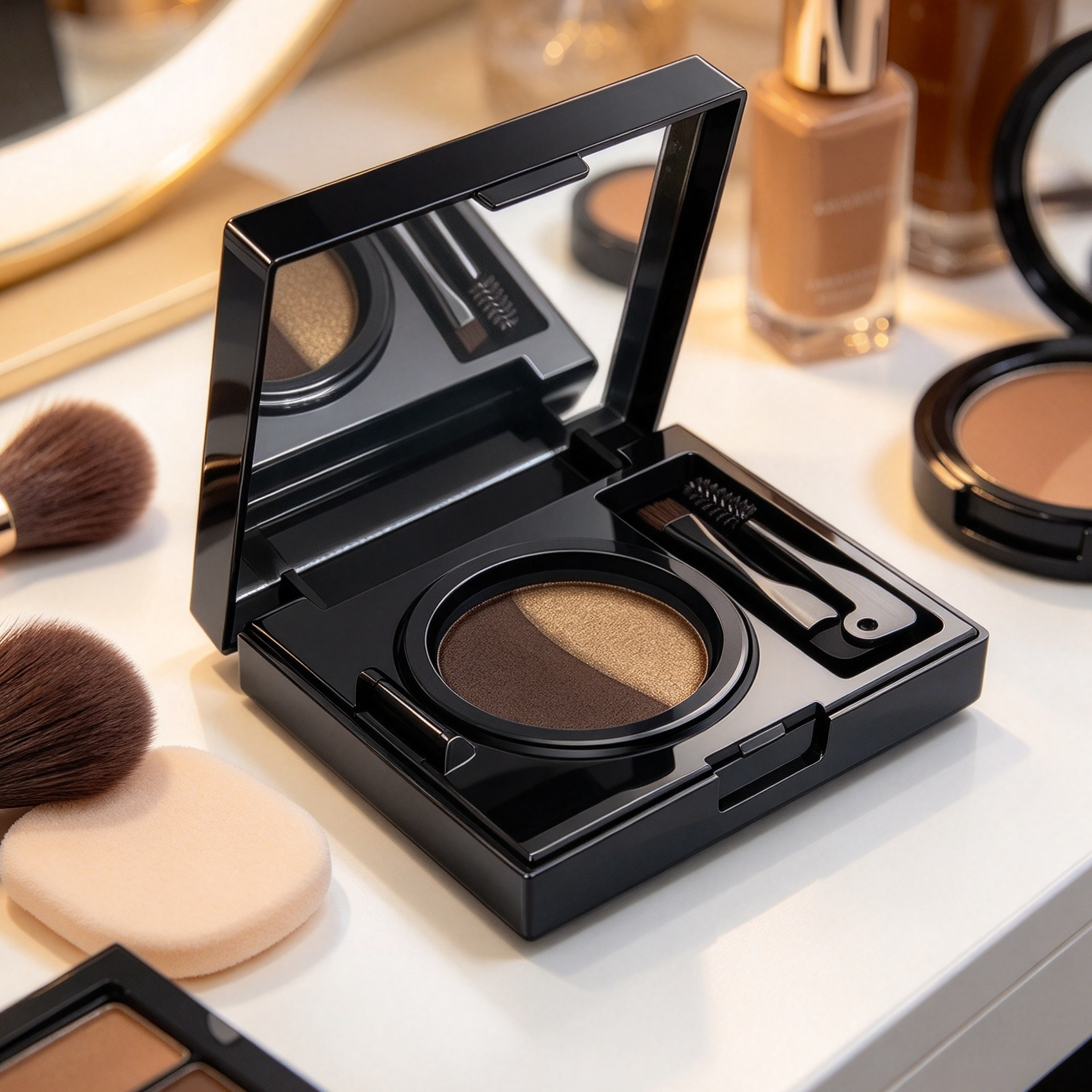
Products like eyebrow cream with brush also offer a convenient way applying color and shaping the brows with one dedicated tool. For everyday users, makeup artists, and beauty retailers alike, the real question isn't which formula wins outright — it's which one fits the look someone's going for and the level of control they actually want.
Brow cream is a colored makeup product built adding definition and visual fullness to the eyebrows. Its creamy texture lets color spread across the brow area, helping blend sparse sections into something that reads as one connected shape.
Depending on the formula and how it's applied, brow cream can land anywhere from a soft, natural finish to a far more defined look. A small amount adds subtle color, while building up more product creates a stronger outline or a fuller appearance overall. The final result comes down to the product texture, the brush in hand, and how carefully the color gets blended into the hairs.
Some brow creams ship with a brush, or include a separate applicator in the packaging. An eyebrow cream with brush makes it genuinely easier picking up a controlled amount of product and guiding it along the brow's natural shape. This format tends appealing to users who prefer a more structured application process over drawing freehand with a pencil tip.
Brow cream proves useful filling in areas where the natural hairs sit unevenly. It also helps the brows look more uniform once color or density starts varying from one section to the next.
A brow pencil adds color through direct strokes applied right at the skin. Its shape makes it easy working along the natural direction of eyebrow growth, letting users create small marks resembling individual hairs or reinforcing an existing brow outline.
Pencils come in different textures and formats across the market. Some carry a firm tip supporting fine, controlled strokes, while others run softer and deposit color with less effort. That choice shifts how much pressure gets needed and how the finished brows end up looking once the strokes are in.
A brow pencil often works well for quick touch-ups, since it needs no separate brush for basic application. Many designs also build in a spoolie on the opposite end, which combs the hairs and softens any visible lines once the color's gone on.
For people with naturally full eyebrows, a pencil alone often handles small gaps or adds definition near the tail end. Users with sparser brows build out a more complete shape too, drawing short strokes wherever hair sits less visible.
The real difference comes down to how each product deposits color and how much control the user actually has over the result. Brow cream usually goes on with a brush, while a pencil transfers color straight from its tip onto skin and brow hairs alike.
Cream blends color across a wider area with less effort, which makes it useful creating that filled-in appearance people often want. A pencil hands over more direct control over individual marks, which helps when the goal is mimicking natural hair or touching up one small section of the brow.
| Feature | Brow Cream | Brow Pencil |
|---|---|---|
| Application | Usually applied with a brush | Drawn directly onto the brows |
| Texture | Creamy and spreadable | Varies from firm to soft |
| Main use | Filling and blending color | Creating strokes and defining shape |
| Control | Depends on brush size and product amount | Direct control through the pencil tip |
| Finish | Can appear soft or defined | Can look natural or sharply defined |
| Learning process | Requires practice with product pickup and blending | Requires practice with pressure and stroke direction |
| Touch-ups | May need a brush for adjustment | Often convenient for small corrections |
Neither format locks a user into just one type of finish. A cream looks genuinely natural applied sparingly, and a pencil creates a bold effect once heavier pressure comes into play. Formula, color choice, application technique, and the natural brow shape underneath all shape the final appearance together.
A natural brow look usually hinges on how closely the added color follows existing hairs and how well it blends into the skin around them. The goal, more often than not, is improving the brows without the makeup itself drawing attention.
A pencil helps a lot with this style, since short strokes mimic the direction and spacing of natural hairs convincingly. Light pressure paired with small gaps between strokes keeps the brows from reading as one solid block of color sitting on the face.
Brow cream gets there too, just through a different route. Applying a small amount with a fine brush lets color build gradually, especially in spots where hairs exist but look lighter or thinner than the rest. Brushing through the brows afterward softens the edges and spreads the color more evenly across the shape.
The right pick depends on the user's actual brow condition walking into the routine. Someone with visible hair and a few small gaps often leans toward a pencil, while someone blending uneven color across a wider stretch finds cream easier working with.
Brow cream earns its place when the goal involves filling several areas at once and building a more connected shape overall. Its texture spreads color across the brow readily, which helps when individual strokes alone can't deliver the visual fullness someone's after.
This proves particularly handy for people whose eyebrows carry uneven density from section to section. Rather than drawing dozens of separate lines, they can brush a small amount of color onto selected areas and blend it right into the existing hairs.
An eyebrow cream with brush also suits users wanting to shape the brows while keeping tight control over where the color actually lands. A narrow brush works the outline, while a slightly broader one distributes product through fuller sections with ease. The right tool here comes down to the product's texture and the eyebrow's own shape.
Cream does call for attention toward how much gets applied, though. Too much product leaves the brows looking heavy or creates visible patches, especially with a highly pigmented formula. Starting small and building up only where it's actually needed keeps the whole process under control.
A brow pencil earns its keep when the task is making small adjustments rather than filling an entire brow from scratch. It handles defining the tail, extending a short section, or adding fine marks wherever natural hairs sit less visible.
The direct application method also makes a pencil easy to toss in a bag for quick touch-ups during the day. Users add a few strokes without prepping a separate brush at all, though blending still helps once lines come out looking sharper than intended.
Pencils suit beginners well too, since the whole process is simple to follow step by step. The user draws color where it's needed, checks the shape in the mirror, and builds up gradually from there. Pressure still matters a great deal, though — pressing too firmly leaves dark lines that resist blending into anything natural-looking.
The pencil tip itself deserves attention as well. A tip that's too broad makes fine detail work genuinely harder, while an overly sharp tip creates a noticeable line fast if too much pressure gets applied. Picking a format matching the intended finish makes daily use far more comfortable overall.
Sparse eyebrows often carry visible gaps, lighter patches, or sections where hair grows in a different direction than the rest. These quirks make it genuinely tricky creating an even shape through just one simple application method.
A pencil often helps when the gaps run small and the goal is mimicking individual hairs convincingly. Short strokes placed along the direction of natural growth add definition without blanketing the whole skin area in color.
Brow cream helps when the brows need more overall fullness, or when several sections carry noticeably uneven color. A brush lets the user place color across one selected area and blend it right into the remaining hairs around it.
Some people end up reaching for both products together. A pencil adds fine details, while cream fills broader areas needing more color overall. That combination should stay light enough preserving the natural variation across the brows, rather than making every section look identically painted on.
Eyebrow shape shapes where color actually needs adding and how much definition the look calls for. Straight brows, curved brows, and brows carrying a higher arch each hold different visual lines, so the same application method won't necessarily deliver the same result face to face.
People with naturally full brows often only need correcting the outline or adding a touch of color near the tail. A pencil provides the control these small changes call for, while a light layer of cream helps blend spots where the color looks patchy.
For thinner brows, the application often means building a shape up gradually over several passes. Cream helps create that more connected appearance, though the user still needs preserving a believable outline throughout. A pencil then adds short marks keeping the result from looking too uniform or painted-on.
Following the direction of existing hairs matters here too. Working against their natural pattern leaves a stiff, artificial look even when the color itself matches well. Taking a moment observing the natural shape before applying anything guides product placement and cuts down on unnecessary corrections later.
The finish of brow makeup comes down to genuinely more than whether the product sits in cream or pencil form. Some formulas read soft and understated on the skin, while others deliver a stronger color effect with far less product applied.
Cream formulas spread easily across skin and hairs alike, though texture varies plenty from one product to the next. A thicker cream calls for careful blending, while a softer formula distributes with less effort but can also drift beyond the intended area if too much goes on at once.
Pencil formulas vary just as much. A firmer texture supports controlled strokes nicely, while a softer one deposits color with barely any effort at all. The product should feel manageable in hand during application, letting the user build the intended shape without pressing too hard.
| Desired Result | Product Approach |
|---|---|
| Fine, hair-like marks | Use a pencil with controlled, short strokes |
| Soft color across sparse areas | Apply cream sparingly and blend |
| Defined brow outline | Use a precise pencil tip or a narrow brush |
| Fuller visual appearance | Fill selected gaps with cream or combine methods |
| Subtle daily makeup | Use a light application and soften visible edges |
These approaches work as starting points rather than fixed rules carved in stone. Users adjust the method based on their own brow shape, preferred makeup style, and comfort level handling each product.
The brush carries real weight in how cream actually goes on. It decides how much product reaches the brows, how precisely color gets placed, and how easily the formula blends along the brow's natural shape.
An eyebrow cream with brush proves convenient when the user wants moving between filling and shaping without swapping product formats mid-routine. A fine brush defines the lower edge or works around the tail, while a gentle brushing motion softens spots where color sits too concentrated.
The amount of product the brush picks up should stay manageable throughout. Loading too much cream at once creates thick marks or uneven patches, particularly near the front of the brows, where a softer appearance usually reads better anyway.
A simple application routine runs through combing the brows into their natural direction first, picking up a small amount of cream with the brush, applying color to the areas needing additional definition, using light strokes near the front while following the natural outline, and blending any heavy marks before checking both brows under ordinary lighting.
The brush itself needs cleaning according to the product's care instructions too. Clearing out leftover color helps prevent buildup and keeps the tool easier handling during later applications down the road.
One common slip is applying too much color before checking the shape in the mirror. Heavy application flattens the brows or over-defines them fast, and removing excess product afterward risks disturbing the surrounding makeup too.
Another issue crops up when the shade contrasts too strongly against the natural hair color. Even with a well-drawn shape, an unsuitable shade makes the brows look oddly separate from the rest of the face. Comparing shades under suitable lighting beforehand helps users land on a more balanced choice.
Application direction matters just as much here. Drawing long, solid lines straight across the entire brow reads artificial fast, especially when the natural hairs grow in several directions at once. Short strokes, light pressure, and careful blending all help preserve that natural variation.
Users should also avoid assuming one method works identically with every formula out there. A cream spreads differently from brand to brand, while pencil texture shifts how easily color builds up on skin. Testing the application method gradually helps someone genuinely understand how a particular product behaves before committing to it daily.
Beauty retailers deal with customers carrying wildly different levels of makeup experience walking through the door. Some already know exactly how they want their brows looking, while others need help understanding why a cream might suit them better than reaching for a pencil instead.
Product descriptions should spell out practical differences in plain language customers can actually use. A cream reads as the option for filling and blending color, while a pencil reads as the tool for defining shape and creating individual strokes. These explanations help customers connect product features back to their own daily routine.
Retailers should also describe whatever tools come included and what application actually demands. An eyebrow cream sold with a brush tends appealing to shoppers wanting a coordinated application format, while pencil users often prefer something compact needing little prep work.
Clear information covering texture, finish, shade options, and intended use helps customers compare products without leaning on exaggerated claims. Demonstrations and application instructions also show how a small shift in pressure or product amount changes the final result.
For online stores, useful descriptions should answer common questions around sparse brows, natural finishes, ease of application, and the real difference between cream and pencil formats. That makes product pages genuinely more informative and helps shoppers choose according to their actual makeup preferences rather than guesswork.
Daily makeup routines shift depending on available time, personal style, and whatever condition the eyebrows happen to be in that morning. Someone correcting a small gap on the way out the door often reaches for a pencil, while someone blending color across several areas tends choosing cream instead.
The most practical pick is whichever one hands over enough control without piling on unnecessary steps. A pencil supports quick definition fast, while cream delivers a more connected fill once paired with a suitable brush. Neither option demands a heavy hand making a visible difference on the face.
Users can also just keep both formats on hand for different situations as they come up. A pencil handles shaping and touch-ups well, while an eyebrow cream with brush helps with filling and blending whenever more coverage feels right. Adjusting the method to match the brow's actual condition keeps the whole makeup routine flexible, rather than leaning on one single product to handle every task alone.
Your email address will not be published. Required fields are marked *