English
 Español
 Deutsch
Industry News

(86-579)8507 2566
Welcome to Zhejiang Weiya Cosmetics Co., Ltd.





Welcome to Zhejiang Weiya Cosmetics Co., Ltd.
Aug 28, 2026
Natural makeup is becoming less about hiding the complexion and more about adding color without masking skin texture. Cheeks may still show freckles, pores, and subtle tone variation, while blush adds a rested or lively appearance. Products such as Liquid Blush Drops, Liquid Blush Stain, Glow Liquid Blush, and Cheek Liquid Blush suit this approach because they can be applied in thin layers. Their appearance depends on formula, skin preparation, placement, tools, and the complexion products worn underneath.
Liquid blush can distribute pigment across the cheeks without creating an obvious powder layer. A small amount may be tapped over a light base, while another layer can add visible color for social plans or photography.
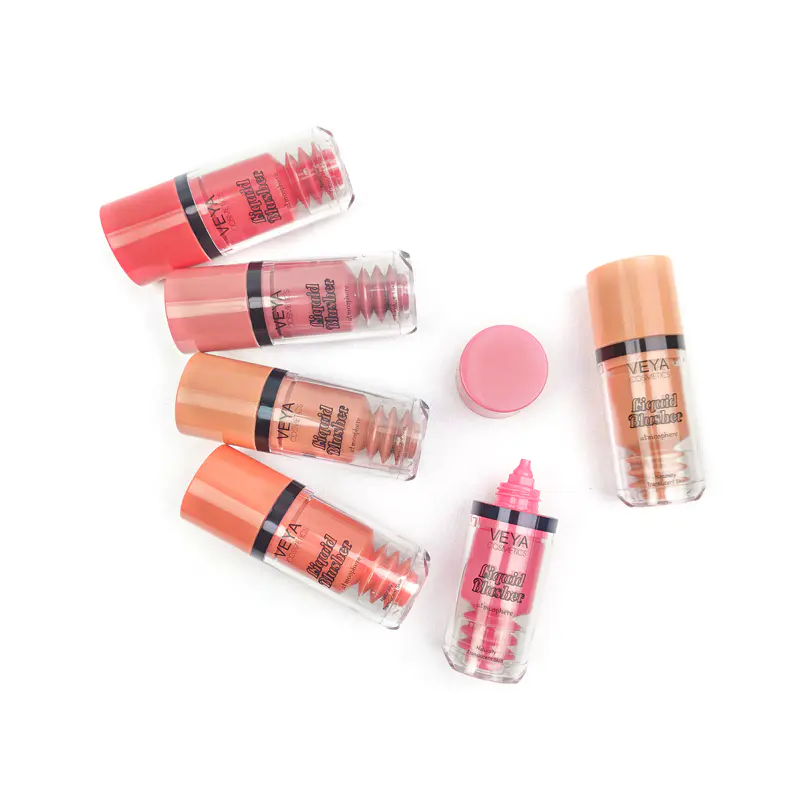
The fluid format also allows placement to be adjusted. Color can remain near the rounded area of the cheeks, move upward toward the cheekbones, or blend across a wider area for a diffused effect.
| Makeup Preference | Application Direction |
|---|---|
| Light flush | Use a small amount and soften the edges |
| Rosy daily look | Build color in thin layers |
| Fresh complexion | Pair blush with a lightweight base |
| Defined cheeks | Place color slightly higher and blend outward |
| Quick refresh | Add a small amount only where color has faded |
A liquid format is not automatically natural-looking. Strong pigment, hurried blending, or an incompatible base can still create patches and visible edges.
Natural-looking results usually come from controlled placement and gradual blending. The goal is to let the cheek color relate to the surrounding complexion rather than appear as a separate stripe.
Liquid Blush Drops allow the user to control how much product enters the routine. Depending on the packaging, the product may be dispensed onto a clean hand, a palette, or directly onto a suitable tool.
The drop format can work well for people who prefer to mix or spread a small quantity before it reaches the face. It also helps prevent repeated contact between an applicator and the skin when the product is handled carefully.
Liquid blush can look less intense in the container than it does after spreading. Beginning with a small amount gives the user time to observe the color before adding more.
Place the product on one cheek at a time when the formula sets quickly. Trying to dot both cheeks and then searching for a sponge can leave one side more difficult to blend—a tiny makeup drama that is easy to avoid.
A clean palette or the back of a freshly washed hand can provide a place to distribute the product. This makes it easier to load a brush or sponge evenly instead of placing a concentrated drop directly on the cheek.
Avoid touching the dispenser to the skin or a used tool. Contact can transfer makeup, oil, or moisture back toward the package.
A dropper should release product in a controlled manner. Residue around the neck of the package can make the bottle messy and affect how securely it closes.
Wipe the exterior according to the product instructions and close the package after use. Liquid cosmetics should not remain open while the rest of the makeup routine is completed.
A Liquid Blush Stain is designed to leave cheek color that appears integrated with the complexion. Some formulas remain workable for a short period, while others begin setting soon after application.
The word "stain" does not describe every formula in the same way. Users should check the product description, ingredient information, finish, wear characteristics, and removal instructions.
| Application Detail | Possible Visual Effect |
|---|---|
| Small amount | Soft color with visible skin underneath |
| Immediate tapping | More even distribution |
| Layered application | Gradual color development |
| Diffused edge | Less obvious separation from the base |
| Concentrated placement | Stronger color in a defined area |
| Mixed placement | Broader, complexion-like flush |
Stain formulas may be less forgiving when left unblended. Working in sections can help maintain control, especially when the product is unfamiliar.
Place a small amount where the main color should appear, then tap outward with a clean finger, brush, or sponge. Avoid rubbing back and forth, since this can disturb sunscreen, concealer, or foundation underneath.
The outer edge should receive less product than the center of the placement. This gradual change creates a softer transition into the surrounding skin.
Adding another thin layer is usually more manageable than removing a concentrated patch. Allow the initial layer to settle, check it under normal lighting, and add product only where more color is needed.
When too much blush has been applied, a clean sponge with a small amount of remaining complexion product can soften the area. Heavy powdering may hide the color, but it can also change the intended skin-like finish.
A Glow Liquid Blush combines color with a luminous finish. It can add reflected light to the cheeks without requiring a separate highlighter, depending on the formula and desired makeup style.
Glow can still fit natural makeup when it is placed selectively. The finish may appear more balanced when the center of the face is kept comfortable rather than reflective in every area.
Luminous particles can look understated indoors and more visible in direct daylight. Makeup intended for work, outdoor plans, or photography should be checked in lighting similar to the setting where it will be worn.
A phone camera can also emphasize reflective areas differently from a mirror. Take a quick photograph from several angles when the makeup is intended for an event or recorded content.
A luminous blush over a dewy base can create a noticeably reflective cheek. That may suit some styles, while others may benefit from setting the forehead, nose, or areas around the mouth and leaving the cheek finish visible.
| Complexion Finish | Blush Approach |
|---|---|
| Natural skin finish | Tap glow blush onto selected cheek areas |
| Dewy base | Use a restrained amount and check in daylight |
| Set complexion | Press the product gently without rubbing |
| Light coverage | Let skin texture remain visible |
| Targeted concealer | Blend around concealed areas carefully |
Texture remains visible under luminous makeup. Glow can draw attention to dry areas, raised texture, or uneven base application, so skin preparation has a direct influence on the result.
A radiant primer, dewy foundation, luminous blush, and reflective highlighter can create more shine than intended. Choose where the light should appear instead of treating every layer as a glow step.
For a casual look, the blush itself may provide enough reflection. A separate highlighter can be reserved for a small area rather than spread across the entire cheek.
A Cheek Liquid Blush can work within short routines because it combines visible color with a blendable texture. It may be used over sunscreen and concealer, a light skin tint, or a more developed complexion base.
The routine still needs enough time for skincare and sunscreen to settle. Applying blush over a slippery layer can cause movement or patchiness, especially when the cheek is rubbed instead of tapped.
| Daily Situation | Makeup Direction |
|---|---|
| Work or study | Soft cheek color and a restrained finish |
| Casual outing | Diffused blush with simple eye makeup |
| Outdoor plans | Thin layers that are easy to inspect |
| Social plans | Added color near the cheekbone |
| Evening refresh | Selective reapplication after checking the base |
Portability also affects daily use. A secure cap, controlled applicator, and package that remains clean inside a makeup bag make touch-ups easier.
A liquid blush should not be left in a hot vehicle or exposed to unsuitable storage conditions. Follow the label for storage, shelf life, and the period of use after opening.
Liquid color follows the condition of the surface underneath. Dry patches may hold more pigment, while an oily or heavily moisturized area may allow the product to move.
Preparation does not require a complicated skincare routine. It requires products that suit the user's skin and enough time for each layer to settle.
Apply skincare in a controlled amount and allow it to absorb before beginning makeup. Excess cream sitting on the cheeks may mix with blush and reduce evenness.
If sunscreen forms part of the routine, apply it according to its directions. Avoid aggressive blending that may disturb the sunscreen layer.
Water-based, silicone-based, oil-rich, and waxy products can behave differently when layered. Incompatibility may appear as pilling, separation, or small patches where pigment refuses to spread.
Testing products together on a small area can reveal whether the textures cooperate. The order of application and the amount used can matter as much as the ingredient base.
A damp sponge can press product across dry-looking skin without dragging it. Brushes with stiff movement may lift flakes or create concentrated pigment around textured areas.
A luminous formula may make dryness more visible. A natural or satin finish may feel easier to manage when the cheeks are temporarily dry.
Fingers, sponges, and brushes can all apply liquid blush. Their results differ because they distribute and absorb product in different ways.
| Application Tool | Typical Working Style | Useful Consideration |
|---|---|---|
| Clean fingers | Taps color directly into the skin | Warmth can help spread some textures |
| Damp sponge | Creates a diffused transition | May absorb part of the product |
| Dry sponge | Keeps more color visible | Needs careful pressing to avoid patches |
| Soft brush | Offers controlled placement | Brush density affects pigment intensity |
| Mixing palette | Helps regulate product amount | Useful for drops and concentrated formulas |
No tool creates the same result with every formula. A watery stain may work differently from a creamy liquid blush, even when the same sponge is used.
Fingers are convenient for a short routine. Place product on a clean fingertip, tap it onto the cheek, and use another clean finger to soften the edge.
This method gives direct feedback because the user can feel how quickly the product is setting. Hands should be washed before application, particularly when the packaging or formula may be touched.
A sponge can spread concentrated color over a wider area. Pressing rather than wiping helps protect the makeup underneath.
A damp sponge should be squeezed thoroughly so it is not wet enough to dilute the product or leave water marks. Sponges also need regular cleaning and complete drying between uses.
A brush can place blush along the cheekbone or around a specific area. A dense brush may produce a more visible result, while a softer shape can create a diffused edge.
Apply product to the brush from a palette instead of pressing the applicator directly into used bristles. This supports cleaner product handling.
Placement influences whether the face appears fresh, sculpted, rounded, or lifted. These are visual effects rather than fixed rules, and personal preference matters more than trying to force one placement onto every face shape.
Color placed around the rounded cheek area can create a youthful, casual flush. The edges should be softened so the color does not become a distinct circle.
Keep some distance from the sides of the nose if the goal is a cleaner central complexion. Bringing color inward creates a different, sun-flushed style.
Placing blush along the cheekbone can visually direct attention outward. Blend the product toward the temple without extending it into the hairline unless that effect is intentional.
This placement can work well when eye and lip makeup remain simple. It also leaves more of the central cheek in its natural tone.
A diffused wash across the cheeks and a light touch over the nose can suggest time spent outdoors. The effect should be applied carefully because redness around the nose may already be present in the complexion.
Use makeup rather than relying on sun exposure to create the style. Blush does not replace sunscreen or protective outdoor habits.
The products underneath blush determine how easily it spreads and whether it stays where it was placed. A bare-skin routine behaves differently from a fully set complexion.
| Base Product | Practical Application Method |
|---|---|
| Sunscreen only | Tap gently after the sunscreen settles |
| Skin tint | Use thin blush layers to avoid disturbing coverage |
| Concealer | Blend around concealed areas with light pressure |
| Liquid foundation | Press blush into the base rather than rubbing |
| Powdered base | Use a soft tool and restrained movement |
| Cream complexion | Apply while the surface remains workable |
Applying liquid over powder is possible with some combinations, but technique becomes important. Heavy pressure may create a damp patch or lift the set base.
Test unfamiliar pairings before an event. A routine that works with one foundation may behave differently after the base product changes.
Some users apply blush before a sheer foundation or skin tint. The base softens the color and can create the appearance of a flush coming through the complexion.
This technique works when the covering product remains light enough to reveal the cheek color. A fuller-coverage base may hide the blush and encourage unnecessary layering.
Liquid blush can also be worn without foundation. Concealer may be used only where desired, leaving skin texture visible across the cheeks.
Blend carefully around areas with natural redness. The blush can connect with that tone rather than covering it completely.
Liquid blush now plays a broader role in complexion styling. It can coordinate with base makeup, lip color, eye products, and brow definition without requiring every product to share the same finish.
| Base Direction | Cheek Direction | Lip Direction |
|---|---|---|
| Sheer complexion | Soft rosy stain | Tinted balm |
| Natural finish | Balanced cheek color | Satin lip |
| Luminous base | Restrained glow blush | Light gloss |
| Set complexion | Carefully pressed liquid color | Muted lip |
| Concealer only | Diffused cheek tint | Natural lip tone |
A fresh cheek can become the main color feature when eye makeup remains quiet. A stronger lip may pair more comfortably with blush applied in a narrower layer.
Product coordination is about visual balance, not creating an identical finish everywhere. Skin can remain natural around the jaw and forehead while the cheeks carry more color and reflected light.
Touch-ups should begin with an assessment of the existing makeup. Adding product over oil, perspiration, or disturbed foundation can create uneven color.
Gently blot moisture or oil without rubbing. Check whether the blush has faded or whether the base around it has moved.
Place a small amount on a clean tool and tap it where color is missing. Blend into the existing edge rather than covering the entire cheek again.
A portable mirror helps with placement, but lighting should also be considered. Strong indoor lighting may make the blush look lighter than it appears outdoors.
Several wet layers applied throughout the day can create texture or disturb the base. When the complexion has broken down, removing and reapplying a small area may look cleaner than adding more product.
Do not mix used applicators directly into the package. Clean handling is particularly relevant when makeup is applied away from home.
Natural makeup does not require one universal blush shade. Skin undertone, existing redness, personal style, lighting, and the rest of the makeup all affect how a color appears.
Rosy tones can create a familiar flush, while peach, coral, berry, brown-red, and muted shades offer different effects. The color visible in the package may appear deeper or lighter after blending.
Testing blush on the hand can show texture, but the hand may not match the face in tone or surface condition. When possible and hygienically appropriate, test the color with the complexion products normally worn underneath.
Allow the swatch to settle before judging it. Some stain formulas change slightly as they dry or interact with the skin.
People with visible cheek redness may prefer to place blush around that tone rather than over every red area. Others may use a light base to create a more even starting point.
Natural makeup can include existing skin variation. The blush does not need to erase the complexion before adding color back.
Younger makeup users often discover application ideas through short videos, peer recommendations, and product demonstrations. They may change blush placement according to clothing, mood, camera use, or social plans.
This encourages formulas and packaging that support experimentation. Controlled applicators, blendable textures, portable containers, and shades that can be layered fit routines that change from day to day.
A liquid blush may be shown with fingers, sponges, several brush styles, or underpainting methods. These demonstrations can help users understand texture, though edited content may not show wear, lighting changes, or application difficulties.
Trying the product in ordinary bathroom or bedroom lighting provides a more realistic sense of daily use. Checking it outdoors can show whether the color or glow becomes more visible.
Face-shape charts can provide ideas, but they should not become strict rules. Users may prefer color close to the center of the face one day and a higher placement on another.
Liquid blush supports this variation because the product can be spread narrowly or across a broader area. Technique becomes part of personal styling.
The experience of liquid blush depends on packaging and formula as well as color. A product can have an appealing shade but remain awkward to use when the dispenser releases too much or the cap collects residue.
Droppers, pumps, squeeze packages, and wand applicators deliver different amounts. The design should help users place product without repeated cleanup or uncontrolled release.
A wand can support dot placement, while drops can be mixed on a palette. Pumps may keep the contents enclosed but need controlled output for cheek use.
Some users prefer time to move the product across the cheek. Others value a formula that settles promptly after blending.
Product descriptions should explain how the formula behaves without suggesting one technique will suit every user. Climate, skincare, and base makeup can alter the working time.
Shade ranges should consider varied skin tones and undertones. Muted shades, warm colors, cool pinks, deeper berries, and balanced neutrals can support different interpretations of natural makeup.
Opacity also changes the result. A sheer deep shade may look natural on one complexion, while a pale opaque formula may appear more noticeable.
The opening should remain manageable during repeated use. Components that collect product can become messy inside a makeup bag and make the package harder to close.
Users should follow label directions for storage and replacement. Changes in odor, texture, color, or product separation that do not resolve as directed may indicate that the cosmetic should no longer be used.
Cosmetics should be used only as directed. A cheek product should not automatically be applied to the lips or eyes unless the manufacturer states that it is suitable for those areas.
Patch testing may be useful for people introducing an unfamiliar formula, particularly those with known sensitivities. Stop using the product if irritation develops and seek appropriate professional advice when a reaction is concerning or persistent.
Practical hygiene habits include:
A stain may require a different removal routine from a light liquid tint. Repeated aggressive rubbing can irritate the cheeks, so allow the remover time to loosen the product before wiping gently.
Liquid Blush Drops support controlled dispensing and gradual layering. A Liquid Blush Stain can leave diffused color that appears connected with the complexion when it is blended before setting.
A Glow Liquid Blush adds color and selective luminosity, while a Cheek Liquid Blush can move between work, study, casual outings, and evening plans through changes in placement and layering.
Their influence on natural makeup comes from flexibility rather than one fixed finish. Users can preserve visible skin texture, place color according to personal style, and adjust the effect through tools, base products, and lighting.
The practical approach is restrained application, clean handling, compatible layering, and careful observation. When those details are managed, liquid blush can add life to the complexion without making the makeup feel heavily constructed.
Your email address will not be published. Required fields are marked *