English
 Español
 Deutsch
Industry News

(86-579)8507 2566
Welcome to Zhejiang Weiya Cosmetics Co., Ltd.





Welcome to Zhejiang Weiya Cosmetics Co., Ltd.
Aug 27, 2026
Cleansing oil was once discussed mainly as a makeup-removal product. Users now pay equal attention to how it leaves the pump, moves across dry skin, changes after contact with water, and feels after rinsing. This has encouraged formulas with lighter slip, controlled flow, quick emulsification, cushion-like massage, and a cleaner after-feel. Products described as Mild Touch Cleansing Oil, Fine Cleansing Oil, or Universal Cleansing Oil may represent different sensory directions, though the actual experience depends on the complete formula rather than the product name alone.
Texture shapes almost every part of cleansing. A product that runs quickly may drip toward the eyes or down the wrist, while a dense oil may require more effort to spread across the face.
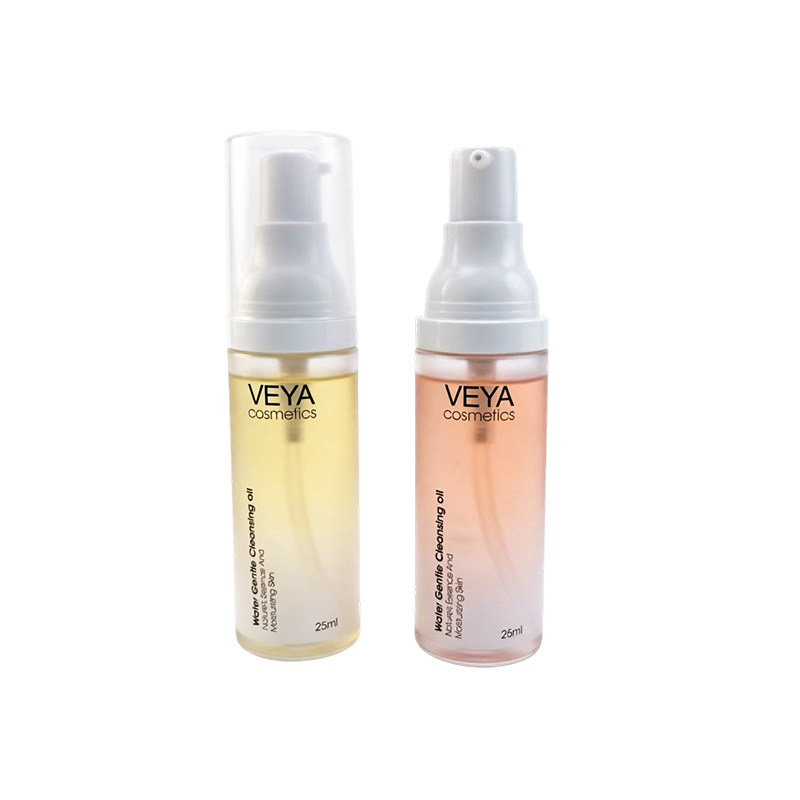
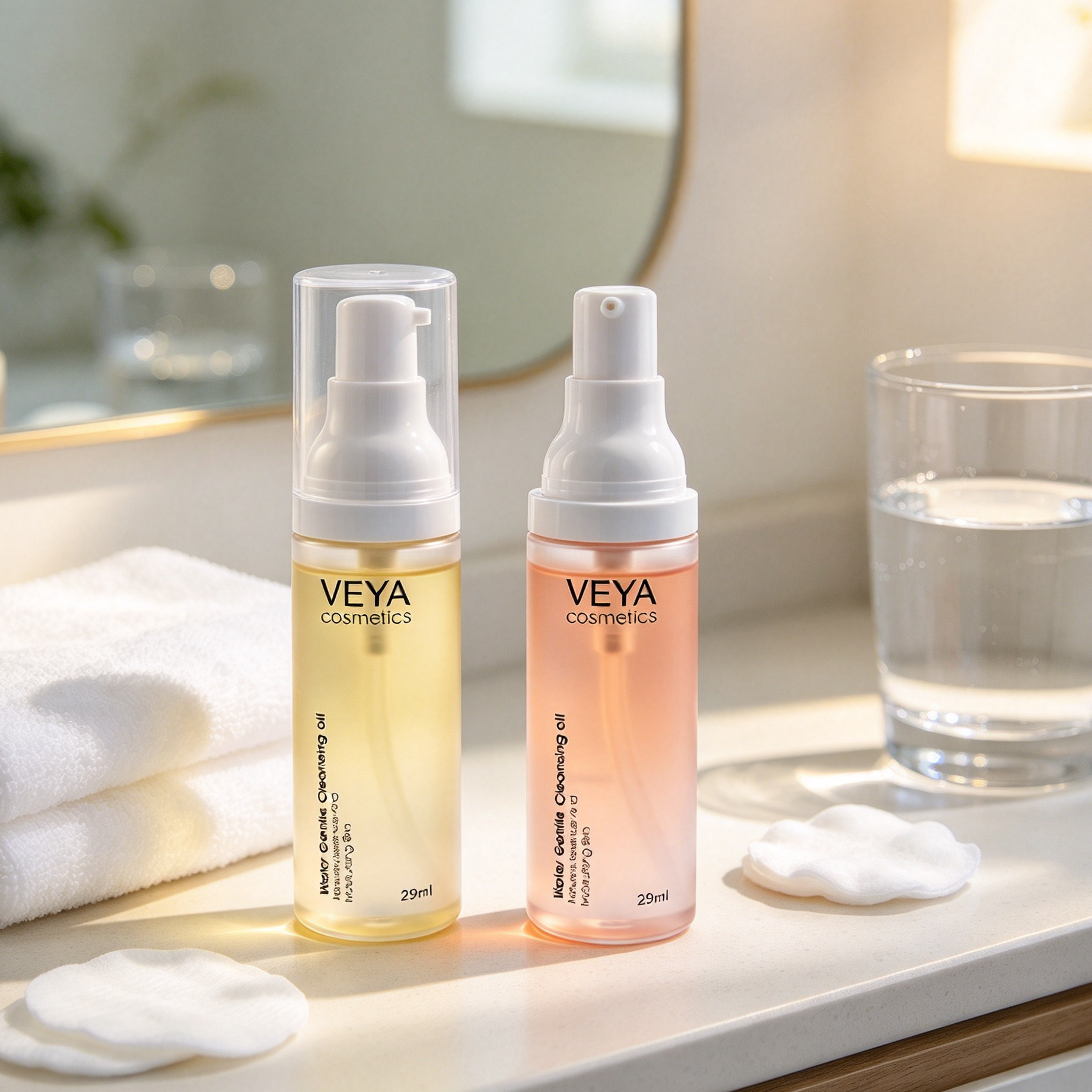
The desired texture usually sits between uncontrolled fluidity and sticky resistance. It should give the hands enough time to distribute the cleanser without encouraging strong rubbing.
| Texture Feature | Practical User Experience |
|---|---|
| Lightweight feel | Reduces the sensation of a thick oil layer |
| Smooth spread | Helps distribute the cleanser across dry skin |
| Controlled flow | Makes application around facial areas easier |
| Massage cushion | Reduces the need for repeated friction |
| Water response | Supports the change from oil to emulsion |
| Clean rinse | Limits a lingering oily sensation |
These characteristics influence one another. A thinner formula may spread quickly but require packaging that prevents uncontrolled dispensing. A richer texture may provide massage cushion but need a carefully designed emulsifying system.
Texture development therefore considers the full routine. Application, massage, makeup breakdown, water addition, rinsing, drying, and follow-up skincare all contribute to how the product is judged.
A lightweight cleansing oil can feel easier to incorporate into a busy evening routine. It spreads across sunscreen and complexion makeup without creating the impression of a dense layer sitting on the face.
Lightweight does not have to mean watery. A useful formula can feel fluid while retaining enough body to stay within the area where it is applied.
A cleansing oil is often used around the hairline, nose, jaw, and eye area. Uncontrolled movement may cause the product to reach the eyes before the user is ready to massage that area.
Controlled flow gives the user time to work section by section. It can also reduce product dripping from the fingers during application.
A smooth oil layer allows the hands to move across the skin with less pressure. This is useful when removing long-wear complexion products or sunscreen that has settled around the nose and hairline.
More rubbing does not always create more effective cleansing. A suitable amount of product, enough massage time, and careful emulsification often matter more than pressure.
Some users apply toner, serum, moisturizer, or treatment products after cleansing. A heavy residue may make the next steps feel uncomfortable or difficult to judge.
A lighter after-feel can help the skin feel ready for the remaining routine. It should not be confused with a tight or stripped sensation, which may indicate that the cleansing method or product does not suit the user.
| Routine Preference | Related Texture Direction |
|---|---|
| Short evening routine | Quick spreading and manageable rinsing |
| Daily sunscreen removal | Fluid movement with controlled slip |
| Layered skincare | Reduced oily after-feel |
| Makeup removal | Enough cushion for gentle massage |
| Travel use | Controlled dispensing and secure packaging |
The user’s technique still affects the outcome. Applying a lightweight oil to wet hands when the formula is intended for dry use may cause early emulsification and reduce its ability to spread through makeup.
A Mild Touch Cleansing Oil generally suggests a soft sensory experience rather than one specific ingredient system. The formula may be designed to move smoothly, avoid sticky drag, and rinse without leaving the skin feeling heavily coated.
The term “mild” should not be treated as a medical guarantee. Skin compatibility depends on the full ingredient list, fragrance system, cleansing agents, individual sensitivity, application method, and frequency of use.
The pump should release an amount that can be controlled in the hand. A forceful stream can splash onto clothing or make it difficult to judge how much cleanser has been dispensed.
The product should also remain stable in its container under the stated storage conditions. Changes in odor, color, clarity, or flow may indicate that the product needs closer inspection.
A mild-touch concept often aims for low drag during massage. The fingers should move without catching on dry areas or pulling heavily across the skin.
Enough product is needed to create a workable layer. Using too little can increase friction, even when the formula itself has a smooth texture.
After water is added, the cleanser should form an emulsion that can be moved across the face and rinsed according to its instructions. Repeated scrubbing with a towel can undermine the purpose of a comfortable cleansing routine.
Patting the skin dry with a clean towel is generally less disruptive than rubbing. The eye area and areas affected by dryness deserve particular care.
A Fine Cleansing Oil may be designed to feel smooth, light, and evenly distributed. The word “fine” often refers to sensory character rather than a regulated technical category.
Such a formula may create a thin oil film that moves easily across the face. The challenge is retaining enough control so the cleanser does not run into the eyes, mouth, or hair before it has been worked into the skin.
| Sensory Character | Possible User Impression |
|---|---|
| Dense | Rich and cushioned during massage |
| Silky | Smooth movement with reduced drag |
| Fine | Light, even distribution |
| Sticky | Increased resistance during hand movement |
| Creamy after water contact | Noticeable emulsification satge |
| Very fluid | Quick spread with less placement control |
Fine texture can also affect the amount users dispense. A product that spreads readily may appear to cover the face with less effort, though users should still follow the instructions rather than relying only on visual coverage.
A fluid oil is not automatically weak, and a dense oil is not automatically more effective. Makeup breakdown depends on the relationship between the oil phase, cleansing agents, pigments, waxes, sunscreen films, and application method.
The same product may remove light daily makeup comfortably but require a separate eye-makeup remover for a resistant mascara. Product directions should clarify the intended uses.
A runny formula may continue dripping from a pump nozzle after use. Package design can address this through pump control, nozzle shape, closure structure, and compatibility between the formula and container components.
The cap and pump neck should remain clean enough to close properly. Residue can be wiped from the outside without introducing water into the product.
Texture innovation is not moving in only one direction. Some users prefer a slightly thicker oil because it stays where it is placed and provides a cushioned massage.
Controlled thickness can be useful around the eyes or on a face wearing several makeup layers. It may also help users feel where the product has already been applied.
A cushioned layer can reduce direct friction between fingers and skin. This does not mean the face should be massaged for an extended period or with firm pressure.
The product should be moved gently across the surface. Particular care is needed around irritated skin, active blemishes, and the delicate eye area.
A richer formula may feel pleasant during massage but frustrating if it resists emulsification. Product developers need to balance oil body with the system that helps it disperse when water is introduced.
The desired change is often easy to see. A transparent or translucent oil may become milky as water is massaged into it, though visual appearance varies by formula.
Oil flow may vary when a bathroom is warm or cool. Packaging and stability evaluation should account for the conditions stated for normal storage and use.
Users should avoid placing cleansing oil near direct heat or strong sunlight. Bathroom storage also needs a clean, dry location where water is unlikely to enter the pump.
Emulsification is the stage where water changes the behavior of the oil cleanser. It helps the mixture disperse so makeup, sunscreen, sebum, and cleanser can be rinsed away.
This transformation is central to modern texture design. Users now expect the oil to feel smooth during massage and then shift into a rinse-friendly texture after water is introduced.
| Cleansing Stage | Texture Consideration |
|---|---|
| Dry application | Controlled spreading across the face |
| Makeup breakdown | Enough slip for gentle movement |
| Initial water contact | Clear transition into an emulsion |
| Continued massage | Even distribution of the milky mixture |
| After drying | Comfortable skin without heavy coating |
| Rinsing | Limited oily film and easy water removal |
A quick transformation can suit people who prefer a short routine. A slower transition may provide more massage time, though it can require careful water addition.
Users often apply cleansing oil with dry hands to a dry face when that method is stated on the packaging. After massaging, a small amount of water can be added to begin emulsification.
The milky mixture can then be moved across the face before rinsing. Splashing a large amount of water immediately may remove some cleanser before the emulsion has been distributed evenly.
Very hot water can feel uncomfortable and may contribute to dryness. Cool water may also feel unpleasant or make some oily materials seem harder to remove.
Comfortably lukewarm water is a practical choice for many routines. Individual skin conditions and product directions should still shape the method.
Residue can remain around the nostrils, hairline, jaw, eyebrows, and beneath the lower lip. Users should guide the emulsified cleanser through these areas without scraping or pressing firmly.
Rinsing should continue until the product is removed according to the intended finish. A soft after-feel is not necessarily residue, so users may need time to learn how the formula feels on clean skin.
“Oil control” in a cleansing-oil context can be misunderstood. A rinse-off cleanser does not permanently stop the skin from producing sebum, nor should it remove every trace of natural surface lipids.
The phrase may instead describe how the formula manages its own oily feel. A product can provide slip during massage and then rinse with less noticeable residue.
Some people with oily or combination skin use cleansing oil to remove sunscreen, makeup, and sebum-related debris. Suitability depends on the formula, skin response, routine, and products applied afterward.
An overly aggressive cleansing routine can leave skin feeling tight or uncomfortable. Adding repeated cleansing steps simply because the skin is oily may not suit every person.
A comfortable finish can feel soft without being greasy. A residue may feel slippery, uneven, or noticeable around the hairline and nose.
Users can assess the skin after rinsing and gently drying it. If the product repeatedly leaves an unwanted film, the emulsification method, amount used, water contact, or formula choice may need adjustment.
Some routines pair cleansing oil with a water-based facial cleanser. This may suit people wearing durable makeup or those who prefer a second cleansing step.
It is not necessary for every user or every evening. Skin comfort, product directions, makeup type, and professional advice should inform the choice rather than social-media routine length.
A Universal Cleansing Oil may be positioned for several everyday uses, such as removing sunscreen, complexion makeup, lip products, or ordinary skin residue. The word “universal” describes a broad usage concept, not guaranteed suitability for every person or cosmetic product.
Versatility places particular demands on texture. The oil needs enough slip for makeup removal, enough control for facial use, and a rinse behavior that fits different routines.
| Possible Use | Relevant Texture Need |
|---|---|
| Sunscreen removal | Even coverage across the face and neck |
| Daily makeup removal | Smooth movement through complexion products |
| Lip-product removal | Controlled application around the mouth |
| Evening cleansing | Comfortable massage and manageable rinsing |
| Simple routine | Clear instructions and predictable after-feel |
| Travel routine | Secure package and limited mess |
A versatile cleanser may still need support from another product in specific situations. Resistant eye makeup, theatrical cosmetics, or heavy wax-based products may require a remover intended for those uses.
Product instructions should explain whether the face and hands need to be dry, how water should be introduced, and whether another cleanser is expected afterward.
Directions should also address eye contact. A formula intended for facial makeup removal may not be suitable for direct use on the eye area.
A texture that feels light to one person may feel oily to another. Climate, skin condition, makeup habits, and previous cleansing products shape sensory expectations.
Product ranges can offer separate fluid, cushioned, fragrance-free, or quick-rinse directions rather than expecting one texture to satisfy every preference.
Some cleansing products begin as oils and change into a milk, gel-like layer, or soft emulsion after massage or water contact. These transformations create a visible cue that the routine is moving from makeup breakdown to rinsing.
The value is partly sensory and partly practical. A noticeable change can help users understand when to add water or move to the rinse stage.
Oil-to-milk formulas remain fluid during initial massage and become cloudy or milky during emulsification. This familiar change can make rinsing feel more controlled.
The milk stage should still be massaged gently through areas where makeup collects. Immediate rinsing without distributing the emulsion may leave residue around facial contours.
An oil-gel hybrid can provide more placement control than a fluid oil. It may stay around the cheeks or eyes rather than moving quickly down the face.
As the product warms through hand movement, it may become more fluid. The user gains initial control without losing the slip associated with oil cleansing.
Cleansing balms begin with a solid or semi-solid form and melt during application. They belong to a related cleansing category, though their packaging, dispensing, and hygiene routines differ from bottled oils.
A spatula or clean fingers may be required. Water should not be introduced into the container because moisture can affect product condition.
Makeup is made with varied pigments, oils, waxes, powders, film-forming materials, and polymers. A cleansing oil may move through one product quickly while needing more massage time with another.
| Cosmetic Type | Cleansing Consideration |
|---|---|
| Light skin tint | Often spreads into oil with gentle massage |
| Long-wear foundation | May need careful coverage around facial contours |
| Sunscreen | Requires attention near the hairline and neck |
| Lip color | Needs controlled movement around the mouth |
| Mascara | Should follow eye-area directions |
| Glitter makeup | Requires care to avoid spreading particles |
| Brow product | May remain between brow hairs |
The cleanser should be allowed to contact the makeup before pressure is increased. Rubbing resistant products firmly can irritate the skin without improving removal.
The eye area is sensitive, and cleansing oil can cause temporary cloudiness or discomfort if it enters the eyes. Users should follow the product’s eye-area directions and keep their eyes gently closed during application where appropriate.
A separate eye-makeup remover may be more practical for resistant mascara or liner. Contact-lens users should follow relevant professional and product advice.
Loose glitter can move across the face during oil massage. It may be easier to lift visible particles carefully before applying cleanser to the entire complexion.
Glitter should not be scrubbed around the eyes. Persistent irritation or suspected particles in the eye require appropriate care rather than repeated rubbing.
A formula can feel very different depending on how it is dispensed. A controlled pump creates a neat application, while a leaking closure can make even a refined formula seem difficult to use.
A pump helps deliver product into the palm without tilting the bottle. Its spring, nozzle, dip tube, and sealing parts need to remain compatible with the formula.
A travel lock or cap can reduce accidental dispensing. The closure should be checked before the bottle enters a cosmetic bag.
A flexible bottle or tube can suit a slightly thicker oil or oil-gel texture. The opening influences how quickly the product appears.
A narrow opening may support control, though residue can collect around the cap. External product should be removed so the closure can seal correctly.
Droppers can present a fine-texture concept visually, but they may be less convenient for cleansing when several drops are needed. Touching the dropper to the hands or face can also transfer residue toward the bottle.
Package selection should reflect normal bathroom use. Wet hands, limited counter space, and hurried evening routines are more revealing than a carefully arranged product photograph.
Texture must remain reasonably consistent from development through filling, storage, transport, and consumer use. A formula that feels smooth in a laboratory sample may behave differently after pumping, temperature exposure, or extended storage.
| Development Area | Texture-Related Review |
|---|---|
| Raw-material control | Identity, condition, and batch consistency |
| Mixing process | Uniform distribution without unwanted air |
| Temperature control | Flow and clarity during production |
| Filling | Compatibility with equipment and package |
| Package testing | Pump output, leakage, and material interaction |
| Stability review | Changes in odor, color, separation, and flow |
| User evaluation | Spread, massage, emulsification, and rinse feel |
Manufacturing teams also need clear reference samples and approved processing instructions. Small changes in raw materials, mixing order, or temperature can alter flow and sensory character.
Thin oils may splash or drip during filling. Richer textures may require another equipment setting to move cleanly through the filling line.
Foam or trapped air can affect package appearance and fill consistency. Process design should reduce unnecessary aeration while protecting the formula.
Oils can interact with seals, pumps, labels, and decorative coatings. A package that looks suitable at launch may leak or discolor if compatibility has not been reviewed under relevant conditions.
The formula and container should therefore be developed as one product system. Changing the pump or bottle after approval may require another compatibility assessment.
Selection becomes easier when users think about makeup habits, preferred after-feel, application speed, and skin comfort. Product names can provide direction, but ingredient information, directions, and personal testing give more useful context.
Samples can help when available through hygienic channels. Testing on a small facial area may reveal fragrance preference, spreading behavior, rinse feel, and compatibility with the user’s makeup.
Someone who wears only sunscreen may prefer a different texture from a person removing long-wear foundation. A routine centered on quick evening cleansing may favor fluid movement and a clear rinse transition.
A person who enjoys facial massage may prefer more cushion. Massage should still remain gentle and should not continue over irritated skin.
A user who always follows with another cleanser may accept a richer initial oil. Someone using cleansing oil as the only evening cleanser may pay closer attention to the after-feel.
Neither routine is automatically suitable for every person. Skin comfort after repeated use offers more useful information than how the product feels during one trial.
Product directions should take priority because formulas vary. A common routine begins with clean, dry hands and a dry face, followed by gentle massage and controlled water addition.
Using more product than needed can make rinsing feel lengthy, while using too little may increase friction. The package instructions provide a starting point, and the user can observe whether the hands move comfortably across the skin.
Water entering a cleansing-oil package may affect product quality. Pumps should not be submerged, and bottle openings should not be touched with wet fingers.
The package should remain closed between uses. External spills can be wiped away so the bottle does not become slippery.
Persistent tightness, burning, redness, itching, or breakouts may indicate that the product or routine does not suit the user. Use should be stopped when irritation occurs.
A dermatologist or another qualified professional can help with ongoing reactions, eczema, acne concerns, or uncertainty about cleansing around a skin condition.
Storage influences formula condition and packaging performance. The bottle should be kept according to its label, away from unsuitable heat, direct sunlight, and contamination.
Bathroom humidity does not automatically damage a closed product, but frequent water contact around the pump can make the package messy. A dry shelf or cabinet can provide a cleaner location.
Texture development is expanding beyond the simple choice between thin and rich oil. Formulators are working with controlled flow, cushion, fine slip, oil-gel structures, water-triggered transformation, and cleaner rinse behavior.
A Mild Touch Cleansing Oil can focus on gentle movement and a comfortable sequence from massage to rinsing. A Fine Cleansing Oil may emphasize light distribution and a refined sensory profile, while still retaining enough control for facial application.
A Universal Cleansing Oil can support several daily cleansing situations when its texture, directions, packaging, and rinse behavior work together. Its broad positioning does not remove the need to consider personal skin response, eye-area use, makeup type, and routine preferences.
The practical change in the category is a stronger connection between cleansing function and real bathroom habits. Users want an oil that dispenses cleanly, spreads without heavy rubbing, transforms predictably with water, rinses comfortably, and leaves the skin ready for whatever comes next.
Your email address will not be published. Required fields are marked *