English
 Español
 Deutsch
Industry News

(86-579)8507 2566
Welcome to Zhejiang Weiya Cosmetics Co., Ltd.





Welcome to Zhejiang Weiya Cosmetics Co., Ltd.
Aug 06, 2026
Long-lasting lip color holds a steady place in modern beauty routines. Many consumers look for lip products that remain in place without leaving marks on cups, straws, masks, or clothing. This leads to the common question of how a No-Transfer Lip Stain reaches its smudge-proof finish.
Many lip products remain creamy long after application. The pigment stays soft and rests mainly on the outer surface of the lips instead of moving into a firmer state. Friction then shifts that soft color with little effort. Any sliding or pressing contact against another surface lifts some of the pigment away. Oils that appear naturally on the lips, together with residual moisture, keep the color flexible and ready to move. Moisture prevents the film from drying into a stable layer, while oils act as a constant lubricant. The result is a product that never fully locks in place and stays vulnerable to transfer whenever ordinary contact occurs.
This soft surface behavior accounts for the rapid marking often seen with traditional formulas. The color continues to act like a moist coating rather than a settled film. When the lips meet a hard rim or soft fabric, the loose pigment follows the contact and settles on the other object. Oils and moisture simply make the process easier by keeping everything mobile.
Drinking from cups creates repeated opportunities for transfer. The rim presses against the lips and then slides as the cup tilts or lifts, pulling soft color onto the surface. Face masks rest against the mouth for extended periods and rub gently with each breath or small movement of the head, collecting visible traces over time. Eating meals brings constant contact with utensils, food, and napkins, each of which can lift color that has never fully set. Talking and other daily activities add further chances for movement. Smiling, speaking, or resting a hand near the face generates enough friction to shift soft pigment from the lips onto nearby surfaces.
These ordinary moments occur throughout the day and continually test any product that remains creamy. The more often the soft color meets another surface, the more transfer appears. Because the pigment never forms a stable film, each contact becomes an opening for the color to leave the lips.
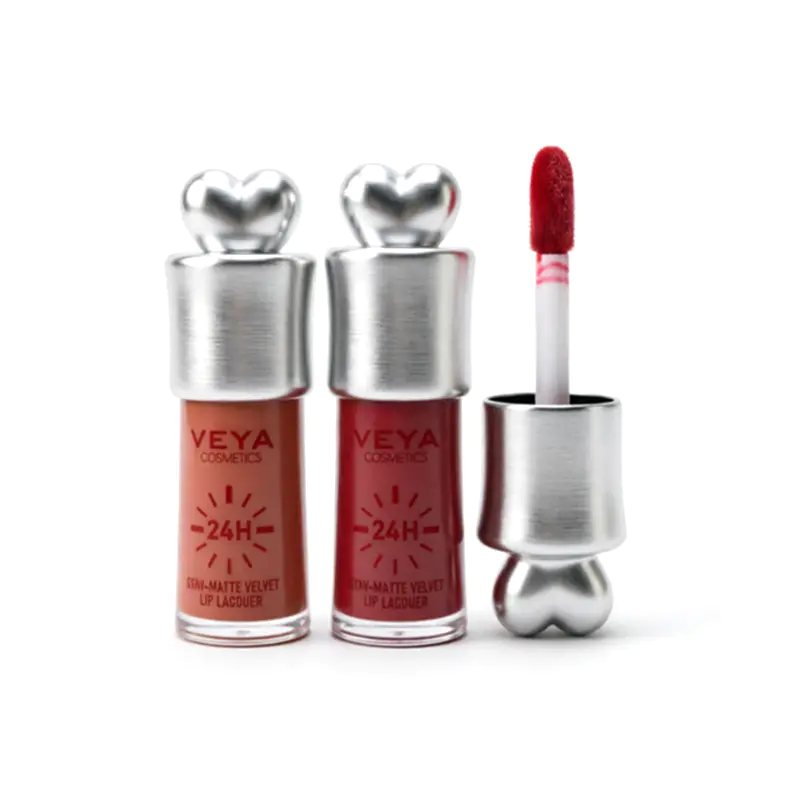
A thin even layer that adheres closely to the lips forms the core of the approach. This close contact reduces the chance of smudging during daily wear by limiting the amount of loose pigment available to move. Fast-drying formulas matter because the product needs time to settle before any contact occurs. Allowing full setting improves transfer resistance by locking the color in place. The lightweight texture supports comfortable wear throughout the day while maintaining color and avoiding heavy buildup that could feel restrictive or crack.
Thin even layers create better wear by allowing the formula to settle uniformly. Excess product buildup leaves soft material that stays mobile longer. Each layer needs time to set properly before the next step or any contact. Immediate rubbing can disrupt the forming film and weaken performance. Giving the product enough time to dry before eating or drinking preserves the resistance that has begun to develop. Clean lips before application remove residual oils. Gentle clearing of dry flakes creates a smoother surface. Application to that smooth surface helps the color sit evenly and hold more reliably.
Applying too much product leaves a thicker film that takes longer to set and remains open to friction. Not waiting for the formula to set keeps the color soft and ready to move. Applying lip balm immediately before the stain introduces oils that interfere with adhesion. Rubbing the lips together too soon disturbs the layer still forming. Eating oily foods shortly after application can soften the film and encourage transfer.
Smooth lips give the color a place to settle more evenly. Thin coats dry and hold better than thick ones piled on all at once. Letting the film dry completely before any contact with the mouth keeps it from shifting. Touching the lips less often cuts down on the small disturbances that pull color away. Fresh color only needs to go on once natural fading starts to show, not as constant fixes for early marks.
Daily comfort comes from a light feel that glides on smoothly and stays flexible. Transfer resistance shows up when the color holds through ordinary activities and fits into full schedules without constant checking. The color layers easily with the rest of a makeup routine and works alongside other lip products when needed.
| Application Habit | Impact on Transfer Resistance |
|---|---|
| Thin even layers | Supports uniform adhesion and quicker setting |
| Full drying before any contact | Locks the color film more firmly in place |
| Clean smooth lip surface | Improves bonding and reduces uneven wear |
| Avoiding early rubbing or oil contact | Protects the integrity of the developing layer |
| Minimal unnecessary touching | Limits disturbance while the color is worn |
One claim holds that no-transfer means the color will never fade. All lip products gradually lose intensity over time and with activity; the advantage lies in reduced marking rather than permanent permanence. Another claim suggests that thicker application makes the color last longer. Thin layers often perform better because they dry more completely and bond more evenly. A further claim is that every such formula feels dry. Modern formulas are designed to improve wearing comfort while still delivering the needed resistance to smudging.
Waiting before drinking after the color goes on comes down to whether the formula has dried all the way through. A bit of transfer can still show up if the drying gets cut short, if too much product ends up on the surface, or if oils are still sitting on the lips. Getting through a meal works better when oily foods wait until after the color has settled. Better resistance comes from starting with smooth lips, keeping the coats thin, and giving the product time to set. Everyday makeup suits the light feel and the way it holds against marking. Clearing the color at the end of the day uses the usual cleansing steps meant for long-wearing formulas.
A finish that resists transfer rests on the formula itself and on the way the color goes on. Smooth lips, thin coats, and enough time to set each help the results hold up. A product built this way can give comfortable wear, clear color, and steady resistance to marking, so it fits ordinary makeup habits without much fuss. Zhejiang Weiya Cosmetics Co., Ltd. works on formulas that keep lasting color comfortable for regular days and support steady results over time.
Your email address will not be published. Required fields are marked *