English
 Español
 Deutsch
Industry News

(86-579)8507 2566
Welcome to Zhejiang Weiya Cosmetics Co., Ltd.





Welcome to Zhejiang Weiya Cosmetics Co., Ltd.
Oct 08, 2026
Contouring can change the way a makeup look appears by adding depth around the cheeks, nose, forehead, and jawline throughout the face. The result can look polished when the color gets placed and blended with care, but the same process can also create two common problems worth untangling: patchy areas and muddy-looking color.
Patchiness usually appears as uneven product that seems disappearing in some places while becoming visible in others nearby. Muddy makeup has a genuinely different appearance because several shades can overlap without enough separation, making the face look darker or less defined than intended.
Neither problem proves useful when the goal is a natural contour. The better approach involves understanding why each issue appears and how product texture, application order, blending, skin preparation, and shade selection can affect the finished look.
For cosmetic buyers and product developers, these differences also matter because consumers expect contour products working naturally with foundation and other complexion products. A Cream Makeup Contour Palette can offer several shades for different areas, but the way those shades interact with the base layer can determine whether the final result looks even or heavy.
Patchiness usually means the contour color doesn't spread evenly across the skin. One area may appear strongly colored while another section looks almost bare, even though the product got applied as part of the same makeup routine.
This can happen when the skin surface stays uneven or when the contour product doesn't blend comfortably with the foundation underneath. Applying too much product in one spot can also make the surrounding area genuinely difficult blending.
A dry or poorly prepared base can contribute to the problem because cream products may catch on areas with different surface textures. When the applicator moves across the face, the product can then shift unevenly across the skin.
| Possible Cause | Effect on the Makeup |
|---|---|
| Uneven base | Product spreads inconsistently |
| Too much product | Some areas become strongly defined |
| Dry skin surface | Cream color may catch on the skin |
| Fast blending | Product may move before it settles |
| Incompatible layers | Base and contour may shift together |
Patchiness is often genuinely easier noticing around the cheeks and nose because these areas contain curves and changes in surface texture. A controlled application can help keeping the color connected, instead of leaving visible gaps.
Muddy makeup usually comes from overlapping shades that lose their individual visual roles. Instead of creating clear depth, the colors merge into a broad area of darkness spreading across the face.
This can happen when the contour shade sits too close to the foundation tone or when several complexion products get layered without enough blending between them. It can also occur when a warm contour gets placed over a warm-toned foundation and additional blush or bronzer gets added nearby.
The result may not look patchy because the product can still appear evenly spread across the skin. The problem is that the overall face loses separation between highlight, foundation, contour, blush, and bronzer sitting together.
A muddy appearance can therefore relate genuinely more to color placement and layering than to the amount of blending alone.
The answer depends on the makeup style, lighting, and location of the problem. Patchiness can attract attention because the eye notices sudden gaps or concentrated areas of product, while muddy makeup can change the overall balance of the face.
Patchiness often looks like a localized issue confined to one spot. One cheek may appear stronger than the other, or the contour near the jaw may look broken apart.
Muddy makeup can affect a genuinely larger area spread across the face. The cheeks, temples, and jaw may blend into one broad tone, making the contour less visually clear.
| Appearance | What It Can Look Like |
|---|---|
| Patchy | Uneven areas with visible gaps |
| Muddy | Several tones merging together |
| Overblended | Contour loses clear shape |
| Heavy | Too much color remains visible |
| Uneven | Similar areas appear different |
Understanding the visual difference helps users deciding whether they need improving blending technique or reconsidering the shades and products being layered together.
A Cream Makeup Contour Palette can provide multiple contour shades within one product format. This gives users room choosing different colors according to their complexion, desired makeup style, and placement area on the face.
The advantage of several shades is that contouring doesn't always need relying on one color across the entire face. A lighter shade may work around one area, while another shade can create a different level of definition elsewhere.
However, having several colors can also create confusion if too many shades get applied together. When neighboring colors don't get separated clearly, the result can move toward a muddy appearance.
Users can simplify the process by choosing a small number of shades that fit the intended look. This keeps the color structure genuinely easier controlling and makes blending genuinely more predictable.
A Cream Foundation Contour Palette combines complexion coverage and contour-related shades within a coordinated product format. This can make it genuinely easier for users working with products that have similar textures during the same makeup routine.
Cream products can spread across the skin in a flexible way when the underlying base gets prepared properly. They can also get adjusted gradually, allowing users building shape instead of placing a large amount of color at once.
The main challenge involves keeping the layers from becoming too thick. If foundation and contour get repeatedly added to the same area, the surface can become heavy and genuinely more difficult blending.
A lighter application can leave genuinely more room for the contour shade creating definition without covering the entire base with additional product.
Skin preparation can influence how complexion products sit on the face. When the surface feels dry in one area and more hydrated in another, the same contour product may behave genuinely differently across the face.
This can make patchiness genuinely easier creating, especially when the product gets applied with pressure. A smooth base gives the contour color a genuinely more consistent surface moving across.
Preparation doesn't need involving a complicated routine. Cleansing, suitable skin care, and allowing products settling before makeup can help creating a genuinely more even starting surface.
Users should also consider how much skin care product remains on the face before applying complexion makeup. Too much surface moisture or a slippery layer can make later products move, rather than staying where they're placed.
Using more product doesn't always create clearer definition. When several cream layers overlap, the colors can lose the separation that makes contouring look intentional.
This is particularly noticeable when contour, bronzer, blush, and foundation get placed close together. Each product may look suitable on its own, but the combined result can become visually dense overall.
A gradual approach gives users genuinely more control throughout. A small amount of contour can get blended before another layer gets added, making it genuinely easier stopping when the desired depth has been reached.
The same principle applies to an All In One Cream Contour Palette, where several complexion shades may get included in one package. The convenience of having multiple colors doesn't mean every shade needs using during the same application.
Shade selection can influence whether contour looks defined or muddy. A contour color that blends too closely with the surrounding complexion may not create enough visual separation on the skin.
A shade that's strongly different from the foundation may also appear genuinely more noticeable than intended, especially when applied heavily. The useful choice depends on the user's complexion, makeup style, and area being shaped.
Color temperature also matters here. Some contour products lean cooler, while others have warmer tones that can overlap with bronzer or blush nearby.
When several warm shades get placed together, the face may lose the visual distinction between shaping and adding color. Keeping the roles of different products clear can make the final appearance genuinely easier controlling.
The order in which products get applied can influence how easily they blend. A cream contour placed over a suitable cream base may behave genuinely differently from one applied over a surface that's already become dry or heavily layered.
Users can organize the routine around thin layers and gradual color placement. This gives each product enough room spreading without immediately creating a dense surface.
A simple application sequence can start by preparing and cleansing the skin, followed by applying the chosen complexion base. Placing a small amount of contour where definition is needed comes next, with blending the edges into the surrounding base following close behind. Adding other color products after the contour has been balanced rounds out the middle steps, finishing with checking both sides of the face under the intended lighting.
This process can help preventing the contour from becoming the dominant color across the face.
The tool used for application can change how much product moves across the skin. A brush may distribute cream color genuinely differently from a sponge or another applicator, while the pressure used during application can also affect the result.
Heavy pressure can move the foundation underneath the contour. Very light pressure may leave some product concentrated in one area instead.
The goal involves controlled movement, rather than repeated rubbing across the skin. Excessive blending can remove the color completely from one section while leaving product around the edges.
Users can also clean their applicators regularly because leftover makeup can affect the way new product spreads. A clean tool provides a genuinely more predictable surface for each application.
A patchy area doesn't always require removing the entire makeup base. Small corrections can sometimes restore a smoother appearance without adding another heavy layer.
If one area contains too much contour, a clean applicator can soften the edge and redistribute some of the product toward the surrounding base. If another area looks too bare, a small amount of the same contour shade can get added gradually.
Adding a large amount of foundation over a patchy section can create another problem because the new layer may cover nearby contour and make the complexion genuinely uneven.
A controlled correction is usually genuinely easier managing than repeatedly adding product across the entire face.
Muddy makeup often needs a different correction strategy because the problem involves several colors, rather than one uneven patch sitting alone.
Users can begin by identifying which area has become too dark or which shades have merged together. A small amount of complexion product can sometimes soften the transition, while carefully placed blush or other color can restore separation.
Adding more contour is usually not helpful when the problem is already caused by too much overlapping color. Removing or softening part of the existing layer can create genuinely more space for the makeup looking balanced.
Lighting is also worth considering because indoor light can make blended colors appear genuinely different from how they look outdoors.
The way makeup gets removed can influence how the skin feels before the next application. Remaining makeup, excess oil, or uneven cleansing can affect how later products sit on the surface.
Mild Touch Cleansing Oil can fit into a makeup removal routine when users want removing cosmetic products before cleansing the skin genuinely more thoroughly. The product format can prove useful when several complexion layers have been applied during the day.
Removing makeup gently can help users avoiding unnecessary rubbing, which may leave the skin feeling uncomfortable before the next makeup routine. The cleansing process should still get selected according to individual skin needs and the product's intended use.
Clean skin provides a genuinely more predictable starting point for later complexion products, although cleansing alone can't correct every cause of patchiness or muddy makeup.
Packaging affects how easily users can see, select, and handle different contour shades. A palette that clearly separates colors can make shade selection genuinely easier during everyday application.
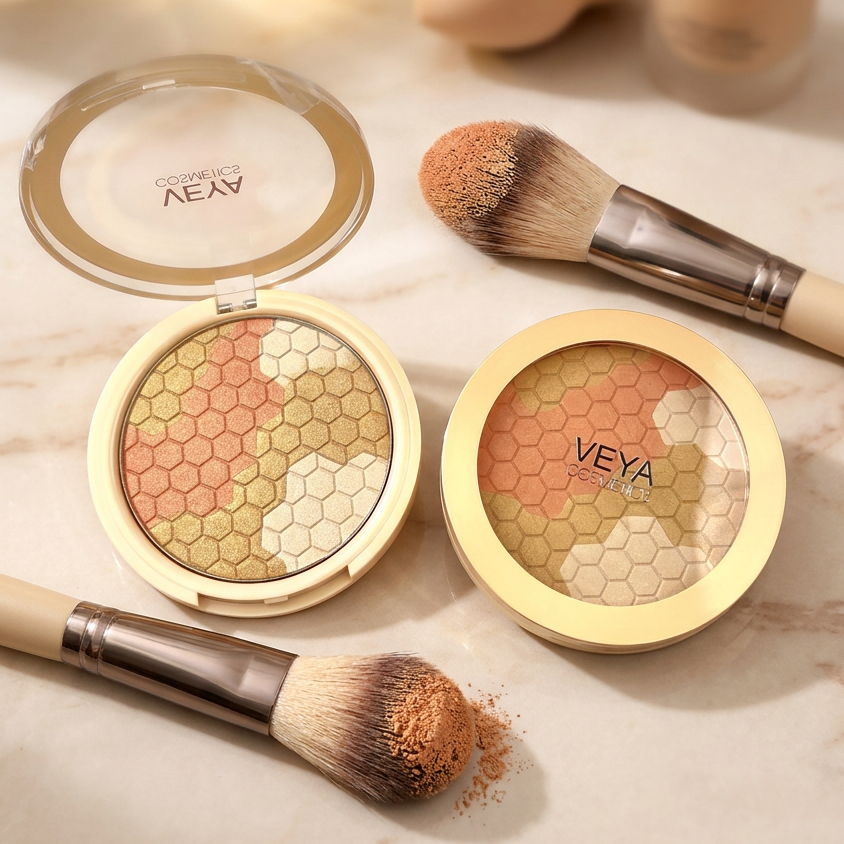
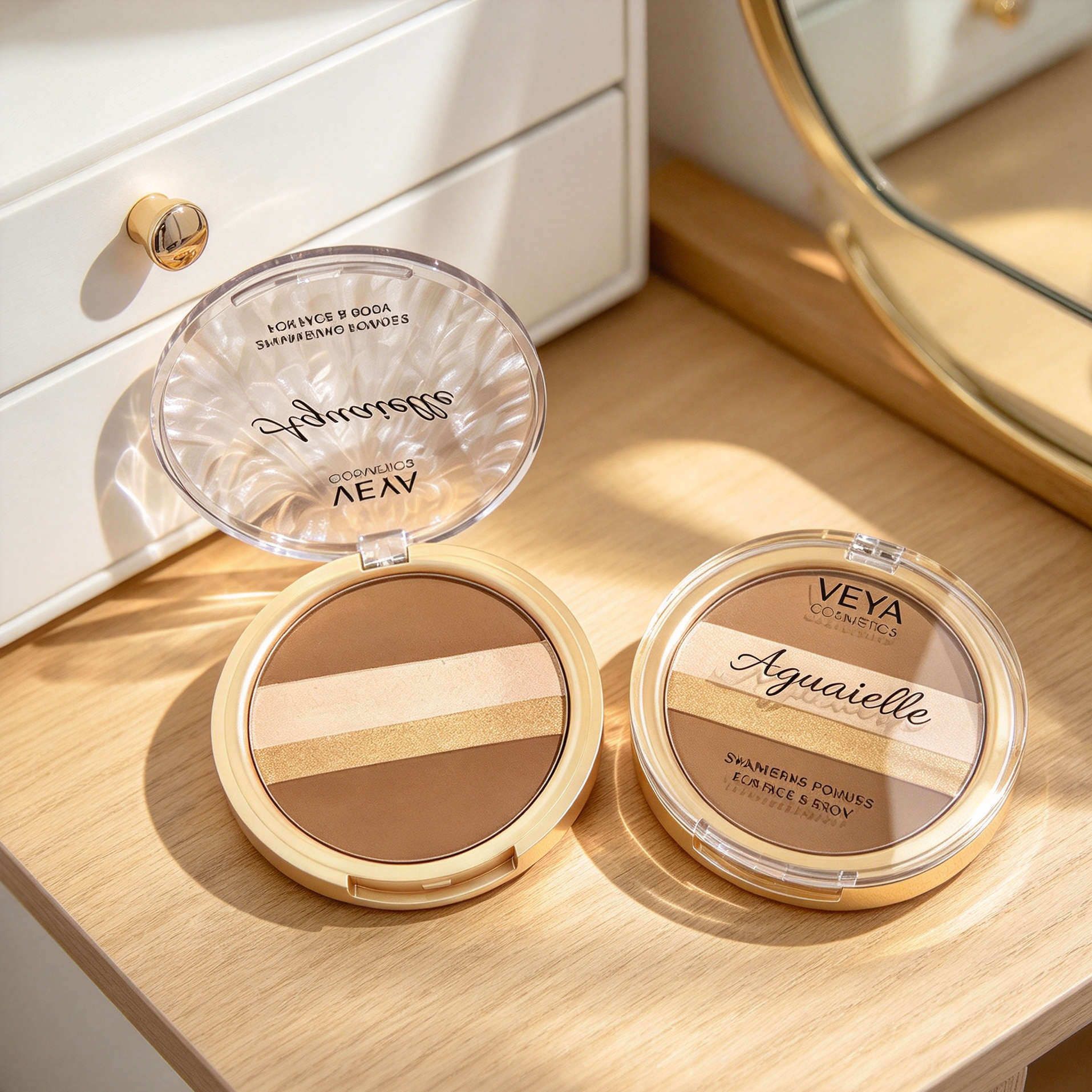
A Cream Makeup Contour Palette may include several shades in one container, which can help users keeping related products together, rather than searching through separate packages. The layout can also influence how quickly a user identifies the shade needed for a particular area.
For business buyers, packaging can get considered alongside product texture, shade arrangement, portability, and storage. These details can influence how a cosmetic product fits into both retail displays and personal makeup routines.
Travel makeup often needs balancing product variety with limited storage space. Carrying several separate complexion products can make a cosmetic bag genuinely crowded and harder organizing.
An All In One Cream Contour Palette can combine several related shades within one package, allowing users adjusting their makeup without carrying multiple individual containers. This can prove useful for short trips, work travel, event preparation, or daily touch-ups away from home.
The compact format can also make shade changes genuinely easier when lighting or makeup style changes during a trip. Users can keep the same palette available for different stages of their routine without packing a large collection of separate products.
Buyers should consider how the product will actually get used, rather than focusing only on the number of shades in a palette. Texture, shade arrangement, blending behavior, packaging, skin preparation, and compatibility with other complexion products can all affect the customer experience.
| Buying Consideration | Question to Consider |
|---|---|
| Texture | Does it fit the intended makeup routine? |
| Shade selection | Can users create different levels of definition? |
| Blending | Can the product be adjusted gradually? |
| Packaging | Is it easy to store and handle? |
| Product compatibility | Can it work with common complexion layers? |
| Travel use | Is the format convenient to carry? |
| Cleansing | Can the makeup be removed as part of a normal routine? |
These considerations can help buyers understanding why a contour product may create genuinely different results across different users. A product that works naturally with the rest of the makeup routine proves genuinely easier positioning around practical customer needs.
Product development can consider the entire application process, rather than focusing only on the color inside the package. Consumers interact with the product through opening, shade selection, application, blending, storage, and removal, so each stage can affect their perception of the finished makeup.
For cream contour products, manufacturers can consider how shades work together, how easily the texture spreads, and whether the package makes color selection genuinely straightforward. These factors can help users creating controlled makeup looks without relying on excessive product or repeated correction.
The relationship between contour products and cleansing also matters because consumers need a practical way removing layered makeup at the end of the day. Products such as Mild Touch Cleansing Oil can form part of that removal routine, while the contour product itself needs remaining practical during application and storage.
Your email address will not be published. Required fields are marked *