English
 Español
 Deutsch
Industry News

(86-579)8507 2566
Welcome to Zhejiang Weiya Cosmetics Co., Ltd.





Welcome to Zhejiang Weiya Cosmetics Co., Ltd.
Oct 05, 2026
A lifted lash look starts before the first swipe of mascara. Clean lashes, a gentle curl, and controlled product pickup all influence whether the finished result looks separated or heavy. Root-to-tip application then helps place color near the lash base while drawing the brush upward for visible definition.
For cosmetic brands, this routine is also a useful way to evaluate a curling mascara. A formula may look effective in the tube, but its real performance depends on how it works with the brush, wiper, and lashes during application and wear.
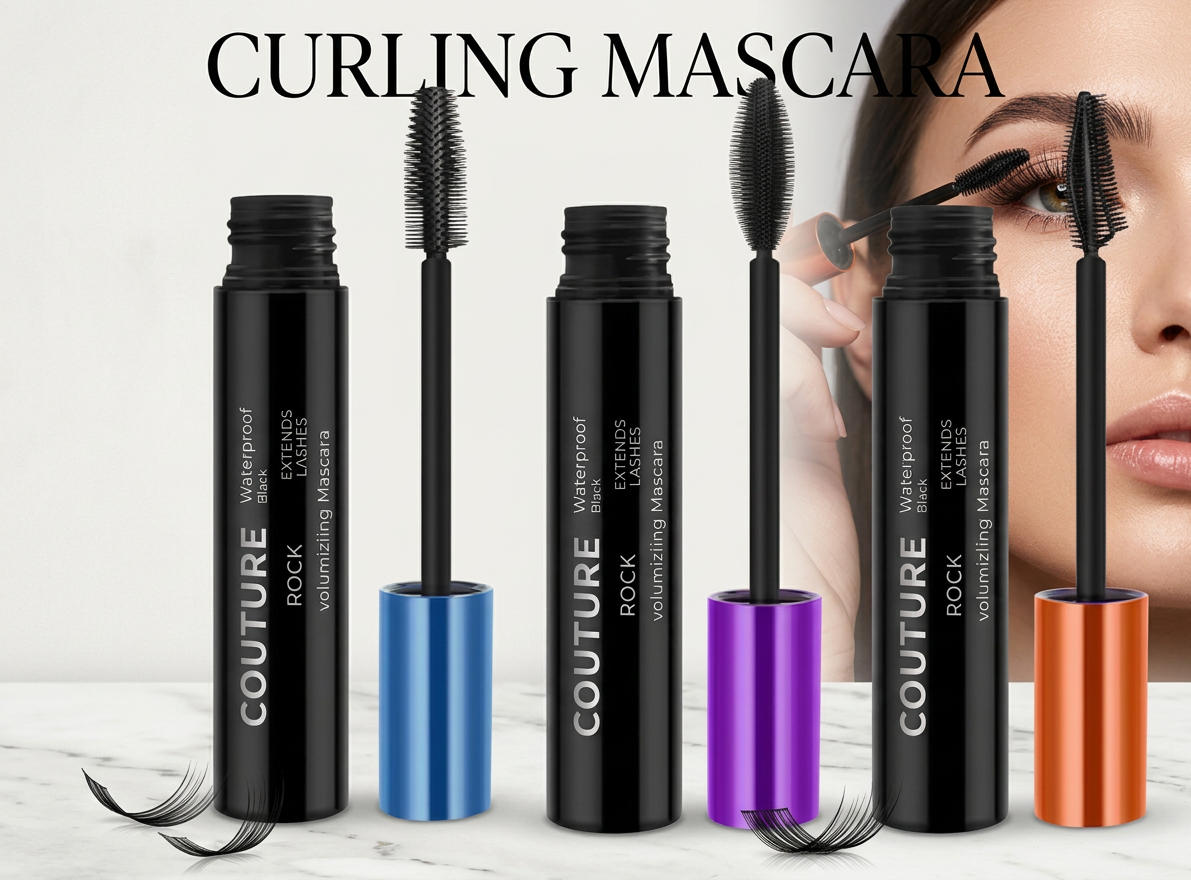
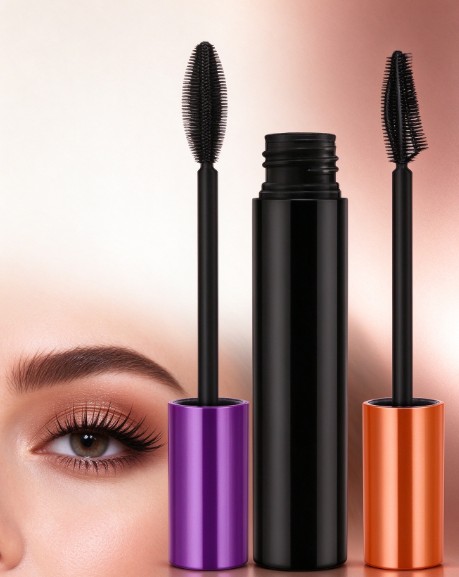
Curling mascara is eye makeup developed to help lashes appear lifted, curved, and defined. It may also add visible length or volume, but those effects need to be balanced against formula weight: a thick coating can make a curled lash look lower.
A curling mascara is typically evaluated for root application, lash separation, curl retention, clump control, and wear. Waterproof, sweat-proof, and smudge-proof are additional performance goals, not automatic properties of every curling formula. Likewise, a glossy black finish describes its appearance rather than how long the curl will last.
For straight or downward-facing lashes, an eyelash curler can establish the initial shape. Mascara then adds color and helps support the look created during application.
Root-to-tip application means positioning the brush near the lash base and moving it toward the ends. It gives the wearer more control over where formula is placed and how the lashes are separated.
Coating lashes near their base defines the lash line and can make the eyes appear more open. The brush should approach the roots without pressing into the eyelid or eye.
Concentrating mascara at the tips may make lashes look longer initially, but excess product at the ends can make them appear heavy. A controlled pass from base to tip creates a more even result.
Applying a thin, consistent layer helps build definition along the whole lash. Additional volume can be focused near the base without repeatedly loading the tips.
A small side-to-side movement at the roots can help the bristles reach between lashes. Draw the brush upward more smoothly through the lengths. An exaggerated zigzag motion may instead push lashes together or leave too much product in one area.
The following steps aim for lift and separation without requiring a thick coating.
1. Start with Clean, Dry Lashes
Make sure lashes are dry and free of visible skincare, sunscreen, or makeup residue. Gently brushing through them with a clean spoolie can remove loose powder.
2. Curl Lashes Before Applying Mascara
Use a clean eyelash curler on bare lashes. Position it carefully near the base without pinching the eyelid, then press gently. A second light press toward the middle may create a softer curve. Avoid tugging or using a conventional curler on mascara-coated lashes.
3. Wipe Excess Mascara from the Wand
Let the tube’s wiper remove excess formula as you withdraw the wand. If needed, carefully remove additional product from the brush tip. Avoid repeatedly pumping the wand, which can introduce air into the tube.
4. Place the Brush at the Lash Roots
Bring the brush close to the upper lash base without touching the eye. Start with a light coating; holding a heavily loaded brush against the roots may create clumps rather than lift.
5. Use a Zigzag Motion from Roots to Tips
Make a gentle side-to-side movement at the base, then pull the brush upward through the lashes. Work in controlled passes so the bristles separate rather than press lashes together.
6. Lift and Roll the Brush Upward
As the brush moves through the lengths, a slight upward roll can guide lashes into the desired shape. Keep the motion gentle, particularly near the outer corner.
7. Coat Inner and Outer Corner Lashes
Use the brush tip or a less heavily coated section of the brush for smaller lashes. Apply carefully around the inner corner and angle the outer lashes slightly upward or outward according to the intended look.
8. Apply Lightly to Lower Lashes
Lower lashes sit close to the under-eye skin. Use minimal product and a controlled touch; holding a suitable brush vertically may improve precision.
9. Let the First Coat Dry Before the Second Layer
If more definition is needed, allow the first coat to partly set, then add a thin second coat while lashes remain easy to brush through. Timing varies by formula. Repeatedly brushing a fully hardened layer may cause clumps or flaking.
10. Comb Through If Needed
Use a clean lash comb or spoolie to separate lashes before the mascara fully sets. Keep pointed tools away from the eye and do not pull at lashes that have stuck together.
Small changes in technique often make a larger difference than adding another coat.
Applying Too Much Product at Once
A heavily loaded brush can make lashes stick together or appear weighed down. Start thin and build only where needed.
Starting Only at the Lash Tips
Tip-only coating adds color to the ends without defining the base. Bring the brush closer to the roots for a more balanced effect.
Applying Mascara Before Curling Lashes
A conventional eyelash curler is generally used before mascara. Coated lashes may stick to its pads.
Re-Curling Lashes After Mascara Dries
Re-curling dry, coated lashes can disturb the finish and pull on lashes. Establish the curve first, then apply mascara.
Not Waiting Before the Second Coat
Layering immediately over a very wet first coat can create excess buildup. Let it partly set, but avoid waiting so long that it becomes difficult to brush through.
Using Heavy Layers on Lower Lashes
Too much formula can increase contact with under-eye skin and the chance of visible transfer.
Ignoring Inner and Outer Lashes
A light pass over these areas can make the result look more complete. Precision matters more than product quantity.
Applying Mascara Over Oily or Wet Lashes
Residue can interfere with even coating. Allow skincare to settle and lashes to dry before application.
Using an Unsuitable Brush Shape
A brush that deposits too much formula—or cannot reach the roots comfortably—may make the desired curl harder to achieve. Brush performance should be judged with the formula inside the finished tube.
Application technique matters, but it cannot make a heavy or poorly matched formula behave like a lightweight curling mascara. Product development must account for the entire coating experience.
A controlled coating adds definition without unnecessary mass. "Lightweight" should be evaluated on lashes, especially after a second coat.
Film-forming ingredients help mascara set on lashes. The resulting coating influences flexibility, wear, and potentially curl retention; each finished-product claim requires its own evaluation.
Waxes contribute structure and application feel. Too much buildup may make lashes look stiff or clumpy, while an unsuitable balance may not give the intended definition.
Even pigment distribution supports a consistent glossy black mascara finish from root to tip. Check appearance on both first and layered application.
Mascara needs enough working time for separation but should set without prolonged transfer during blinking. The ideal setting behavior depends on the formula and brush.
Waterproof and sweat-proof describe resistance to different exposure conditions. Neither automatically proves that a mascara holds curl; test curl retention separately.
Smudge-proof mascara aims to reduce transfer to nearby skin. Evaluation should consider blinking, lower-lash contact, skin oil, and wear time.
Care-oriented ingredients may influence the formula's feel. Their presence does not establish lash-growth benefits or prove that the finished mascara is suitable for every user.
The same formula can apply differently when paired with another brush or wiper. These components should therefore be evaluated as one system.
A curved brush may follow the lash line and make root access easier for some users. Its fit still depends on eye shape and application preference.
Denser bristles may deposit more product, while greater spacing may help separation. Neither arrangement is universally better.
Short bristles can offer close control; longer bristles may help reach through the lashes. Compare performance at the roots, tips, and corners.
Flexibility affects handling and pressure during application. The brush should allow controlled movement without feeling difficult to position.
A tapered tip may help reach inner, outer, or lower lashes. Check whether it holds excess formula that could create marks.
The wiper removes formula as the brush leaves the tube. An unsuitable opening may leave too much product on the wand or too little for a useful first coat.
Evaluate pickup with the finished formula, brush, wiper, and tube together. This is the combination users will handle, and it determines how readily they can apply a thin root-to-tip layer.
Long-wear claims are most useful when they identify the challenge the mascara is intended to resist. Water exposure, perspiration, and transfer are related, but distinct.
Waterproof performance concerns how the finished mascara holds up under defined water exposure. It should not be inferred from its appearance immediately after application.
Sweat-proof performance addresses perspiration-related wear. Heat and movement may also affect the result, so testing should reflect the intended use scenario.
Smudge-proof performance focuses on reducing marks caused by contact with nearby skin. A waterproof formula can still smudge, particularly when oil or friction is involved.
For a curling mascara, assess these wear properties alongside curl, separation, and comfort. A clean-looking finish that loses its lift—or a lifted look that transfers beneath the eyes—does not meet the same product goal.
A nourishing mascara formula can incorporate conditioning ingredients, provided descriptions reflect the final approved ingredient list and stay within cosmetic claim boundaries.
Ricinus Communis Seed Oil, or castor seed oil, is used in cosmetic formulas for its conditioning properties. Its inclusion does not substantiate a lash-growth claim.
Simmondsia Chinensis Seed Oil, or jojoba seed oil, may contribute to the formula's smoother application feel. Its effect depends on the complete formula.
Vitamin E may form part of an antioxidant-focused formulation approach. Use the precise ingredient name and supported benefit for the finished product.
Squalane is used for its smooth cosmetic feel. In mascara development, it must be balanced with the ingredients responsible for setting and wear.
These ingredients support a care-oriented concept, while curl lock, waterproof wear, and smudge resistance must be evaluated on the complete mascara.
For an OEM/ODM project, define what "better lift" should look like and how it will be assessed. Then test the proposed formula with its final applicator and packaging.
Compare the lash shape immediately after application and at defined wear intervals. Include different natural lash shapes where practical.
Review whether the first and second coats maintain the intended lift. Added volume should not automatically mean added heaviness.
Check whether the brush can coat near the lash base without depositing a thick line of product on the lid or causing lashes to stick together.
Assess access, separation, and control across upper, corner, and lower lashes.
Confirm that the wiper delivers a useful amount of formula consistently as the product is used.
Evaluate lash separation on the first coat and during layering, rather than relying only on a single application image.
Determine whether added length or volume complements the curl instead of obscuring it with buildup.
Test proposed claims under defined conditions appropriate to the intended product and market.
Include wear observations around the upper lid and under-eye area, particularly where lashes contact skin.
Review evenness, color intensity, and the appearance of the coating throughout wear.
Consider brush handling, formula texture, setting behavior, and removal. A defined lash look should not depend on rough application.
Tube closure, wiper fit, handle comfort, labeling, and formula compatibility all contribute to the finished user experience.
Curling mascara can complement eyeliner, eyeshadow, eyebrow products, eye makeup remover, and makeup sets. Removal guidance is especially relevant for a waterproof concept.
Root-to-tip application is the practical starting point for a lifted, defined lash look: curl bare lashes first, use a controlled amount of mascara, work gently from the base upward, and keep additional coats light. For brands, the corresponding product-development task is to make that routine repeatable through a balanced formula, an effective brush-wiper combination, and claims supported by testing of the finished mascara.
Your email address will not be published. Required fields are marked *
Oct 05,2026