English
 Español
 Deutsch
Industry News

(86-579)8507 2566
Welcome to Zhejiang Weiya Cosmetics Co., Ltd.





Welcome to Zhejiang Weiya Cosmetics Co., Ltd.
Nov 03, 2026
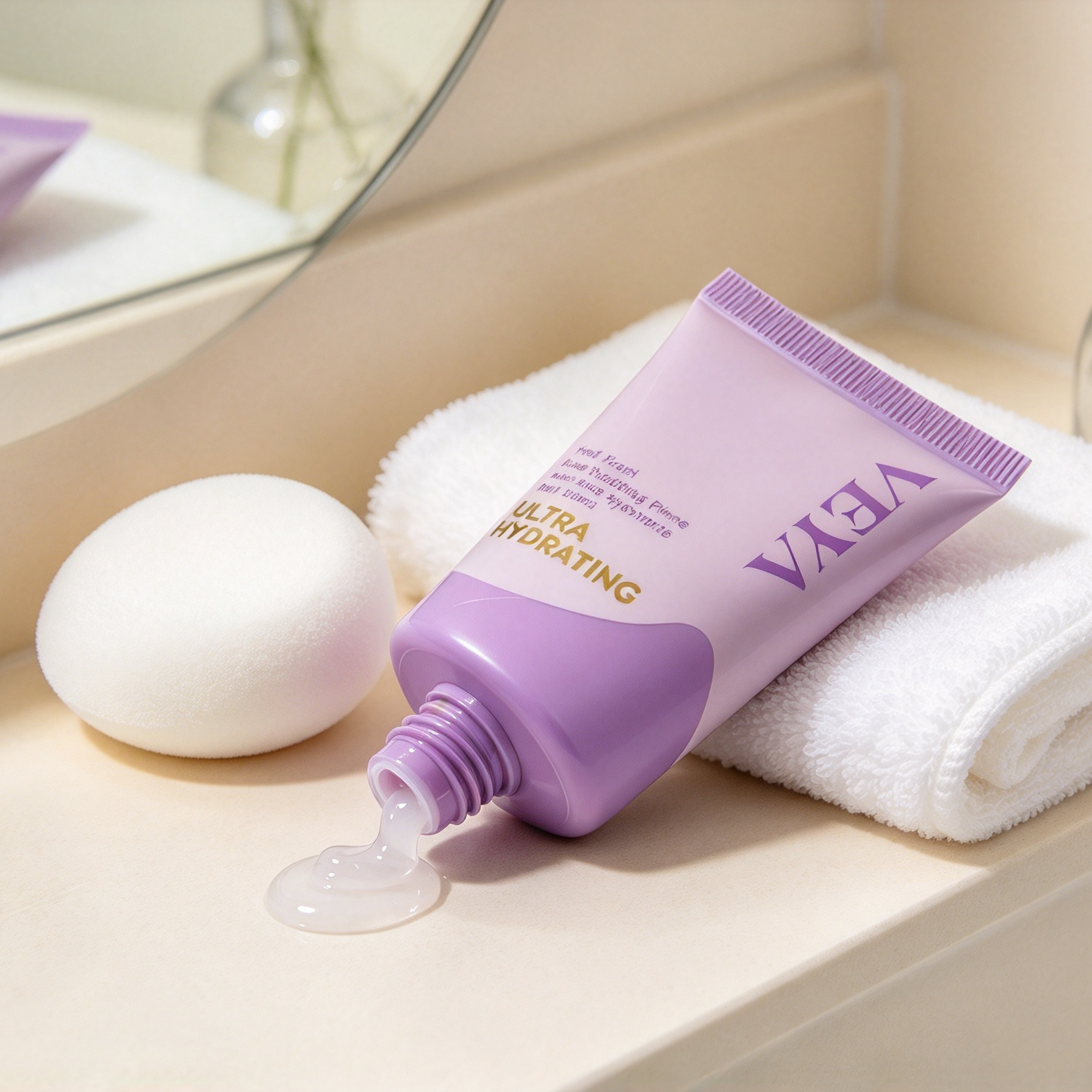
Moisturizing Makeup Primer goes on after sunscreen. Sunscreen belongs to the skincare stage and should be applied and left to settle according to its directions, while primer belongs to the makeup stage and prepares the surface for foundation. Keeping the two stages in that order prevents the layers from being rubbed off, and it gives foundation a smoother, more comfortable base.
The two products do different jobs. Sunscreen protects exposed skin from ultraviolet radiation. Primer improves how foundation spreads and sits on the skin. If primer goes on first, the sunscreen has to be rubbed over it, which can disturb the layer underneath and make even coverage harder to achieve.
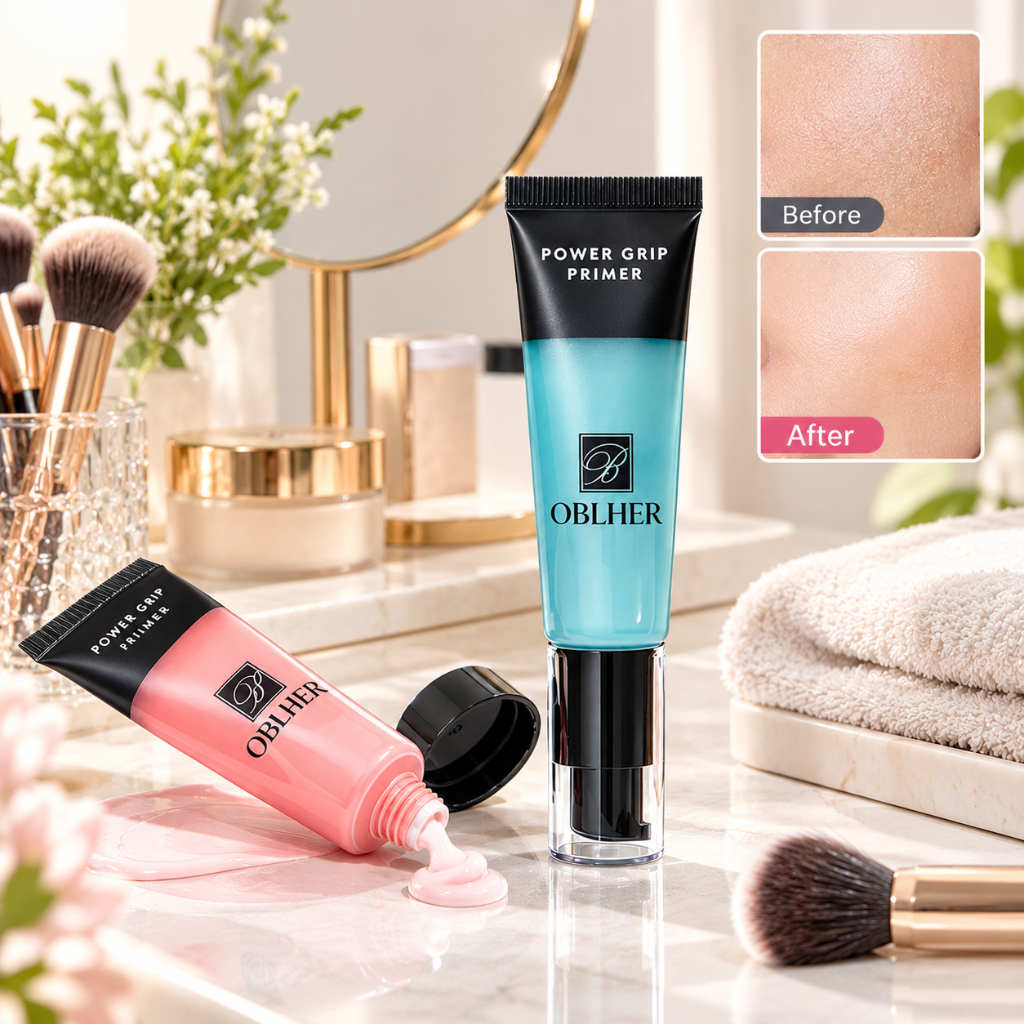
A good Moisturizing Makeup Primer can soften the look of dry patches, help foundation glide on, create a more even surface and reduce the feel of tightness under complexion products. It does not replace moisturizer or sunscreen, though. Its role is to prepare skin for makeup, not to provide the care or protection of dedicated skincare.
No single waiting time fits every sunscreen. Formula, temperature, humidity, the amount applied and your skin all play a part. The aim is simply not to apply primer while the sunscreen is still visibly wet or easy to move. Practical signs that it is ready include:
Always follow the sunscreen label, even if the surface feels dry sooner than expected.
To apply primer without dragging the sunscreen, dispense a small amount on clean fingertips, warm it gently if the formula allows, and press it onto the areas that need hydration. Avoid rubbing the same spot repeatedly.
| Sunscreen type | Typical traits | Pairing tip |
|---|---|---|
| Chemical | Fluid, lotion or cream textures | Choose an easy-spreading primer and apply gently |
| Mineral | Zinc oxide or titanium dioxide, often thicker | Use a lightweight primer; never use it to dilute the sunscreen |
| Hybrid | Mix of mineral and chemical filters | Test the combination, as textures vary widely |
A light hydrating primer often feels comfortable over a fluid chemical sunscreen, particularly under a natural foundation finish. With a richer sunscreen, use less additional skincare.
Pilling happens when products form small flakes or rolls instead of staying evenly spread. It does not mean the products are wrong for your skin. Usually it comes from one of three causes:
Do not reduce the amount of sunscreen to avoid pilling. Keep it consistent with its directions.
| Skin type | Texture to consider | Approach |
|---|---|---|
| Dry | Creamy, hydrating | Focus on dry areas |
| Oily | Lightweight | Apply a thin layer |
| Combination | Balanced, flexible | Adjust by facial area |
| Sensitive | Simple, fragrance-conscious | Patch test first |
Dry skin can make foundation cling to flaky patches. A Moisturizing Makeup Primer containing ingredients such as glycerin or hyaluronic acid may help, provided it spreads without a greasy finish. Piling on several rich products rarely helps.
Oily skin still needs hydration. A lightweight primer in a thin layer, with extra only where needed, keeps the base comfortable without heaviness.
Combination skin usually calls for a hydrating layer on dry cheeks and a lighter touch across the T-zone, with less buildup near the nose.
Sensitive skin may react to fragrance or certain preservatives. Read labels, introduce new products gradually and patch test. If irritation persists, stop using the product and consult a qualified skincare professional.
Choose a sunscreen, primer and foundation that spread comfortably together and stay even after layering, and test new combinations on an ordinary day before an important event.
Reapplying sunscreen over makeup needs a plan that follows the manufacturer’s directions. Options include gently clearing makeup from selected areas first, using a format designed for reapplication, or applying carefully with a suitable tool and touching up foundation afterward. SPF powders and setting products are convenient, but they should not automatically stand in for sunscreen applied in an adequate amount.
In warm, humid weather a rich primer can feel heavy, so a lighter formula and smaller amounts may be more comfortable. Do not skip sunscreen to control shine; choose a texture that suits your complexion and apply makeup once it has settled.
| Stage | Purpose | Product |
|---|---|---|
| Cleansing | Remove surface impurities | Gentle cleanser |
| Hydration | Comfort | Suitable moisturizer |
| Sun protection | Protect exposed skin | Broad-spectrum sunscreen |
| Makeup preparation | Smooth the base | Moisturizing Makeup Primer |
| Complexion makeup | Coverage | Foundation or skin tint |
If your moisturizer is already hydrating enough, a lighter primer may be all you need. If foundation applies smoothly without it, use primer only where it helps.
Ready to refine your makeup base? Browse our range of Moisturizing Makeup Primer formulas, compare textures for your skin type, and choose one that works with your sunscreen and foundation. Contact us for ingredient details, product specifications and sample or wholesale inquiries.
Your email address will not be published. Required fields are marked *