English
 Español
 Deutsch
Industry News

(86-579)8507 2566
Welcome to Zhejiang Weiya Cosmetics Co., Ltd.





Welcome to Zhejiang Weiya Cosmetics Co., Ltd.
Sep 04, 2026
Beauty routines are becoming a lot more flexible these days, as makeup users look for practical ways to move between daytime styling, makeup removal, and evening skincare without piling on unnecessary steps. Nobody really wants a ten-step ritual after a long day at work.
Mild Touch Cleansing Oil fits into this shift because cleansing is increasingly getting viewed as part of the complete beauty routine, rather than some separate task people only bother with when makeup feels stubborn to remove. Many users now choose products according to how they actually fit into daily habits, which means convenience, skin feel, makeup removal needs, and routine simplicity can all shape cleansing choices at the end of the night.
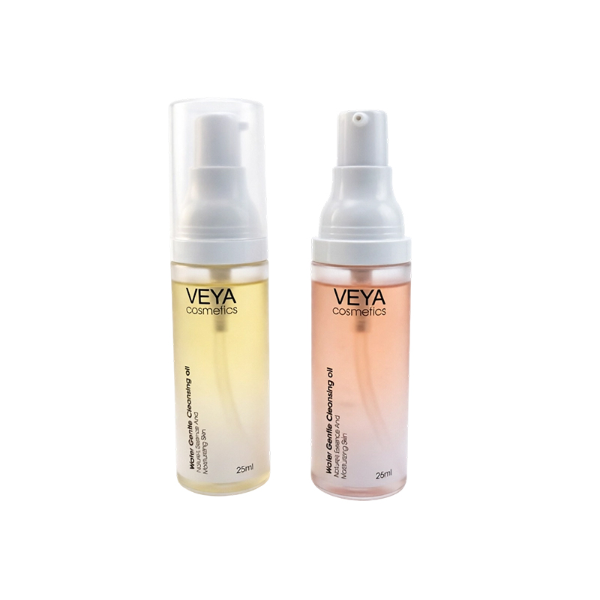
The growing use of cleansing oils connects with broader changes in how people approach makeup, skincare, personal time, and beauty spending overall. These shifts aren't happening in isolation from each other.
Skincare routines can turn complicated fast when users collect a separate product for every individual concern that pops up. Plenty of people are now looking for routines that feel genuinely easier to maintain through busy, unpredictable days instead.
This shift has pushed more attention toward products that fit naturally into an existing routine, rather than requiring a completely separate process bolted on top. Cleansing is one area where this preference shows up clearly, since it happens right at the transition between daytime activities and nighttime care.
Mild Touch Cleansing Oil can get incorporated into a makeup-removal routine before users continue with their usual cleansing and skincare steps, following whatever order already suits them. The appeal of a simpler routine isn't necessarily about using fewer products at all times. It's more about making each product actually serve a clear purpose in the sequence.
| Beauty Habit | Changing User Preference |
|---|---|
| Daily cleansing | Easy integration into existing routines |
| Makeup removal | Less unnecessary rubbing |
| Evening skincare | Smooth transition from cleansing to care |
| Product selection | Practical everyday use |
| Routine planning | Fewer complicated steps |
This approach also makes skincare feel a lot more approachable for people who don't want to spend ages standing in front of the mirror every single evening. A simple routine tends to be easier to repeat consistently, since it fits around work, travel, social plans, and whatever else fills up a normal week. The role of cleansing is consequently shifting from a basic washing step into a more deliberate part of personal care.
Makeup habits shift from day to day pretty naturally, and users may wear a full face of cosmetics for work or a night out while opting for something lighter on quieter days at home. The amount and type of makeup worn can shape how someone approaches removal once they're back home for the night.
Someone wearing foundation, blush, eye makeup, and lip products tends to think about cleansing quite differently than someone who applied just a touch of concealer that morning. A cleansing oil proves useful within a removal routine precisely because users can decide how much attention different areas need, based on whatever makeup actually went on that day.
This creates a far more flexible approach than following the exact same cleansing process every single evening regardless of the day.
| Makeup Situation | Cleansing Consideration |
|---|---|
| Light everyday makeup | Keep removal simple |
| Full complexion makeup | Give attention to areas with more product |
| Eye makeup | Follow suitable product removal guidance |
| Lip makeup | Avoid unnecessary rubbing |
| Minimal makeup day | Adjust the routine to actual needs |
The increasing variety in daily makeup habits also means consumers may not want a cleansing product that feels locked into just one type of cosmetic routine. A flexible cleansing approach accommodates changes in makeup without forcing users to redesign their entire evening care process from scratch. This matters quite a bit as makeup gets more casual in some settings while staying expressive and layered in others.
Makeup removal used to get treated as something happening after the main beauty routine, almost like an afterthought tacked onto the end. Users are increasingly considering it part of the same continuous process instead.
The way makeup actually gets removed can affect how comfortable that transition into evening skincare feels. Mild Touch Cleansing Oil can sit within this transition as a product meant to help loosen makeup before users continue with whatever cleansing routine they already prefer.
The focus isn't simply removing color from the face. Users also tend to consider how the cleansing process feels while they're actually doing it, standing there at the sink after a long day. Repeated rubbing can make removal feel genuinely unpleasant, particularly around areas where makeup shows up heavier or where the skin feels a bit more delicate than usual.
A gentler-feeling routine can therefore make the end of the day more comfortable, without turning cleansing into some lengthy ritual nobody has time for. Users should still follow whatever instructions come with their chosen product, since cleansing oils can differ quite a bit in how they're meant to be applied and removed.
The practical change here is that makeup removal is increasingly viewed as a planned stage of the beauty routine, rather than something squeezed in as an afterthought. This perspective shapes which cleansing products consumers even consider when building out their everyday beauty collections.
Time has become a genuinely important consideration in personal care, since plenty of people move between work, commuting, exercise, social plans, and home responsibilities all within the same day. A lengthy beauty routine simply doesn't fit comfortably into every evening.
Users therefore favor products that slot into familiar habits without creating unnecessary complexity. Cleansing oil fits into this pattern well, since it can become part of the transition from makeup removal straight into evening skincare.
A person might remove makeup after walking through the door, continue with their normal cleansing routine, and then apply whatever skincare products they already reach for. This sequence can shift depending on the day itself.
Someone who wears makeup regularly may settle into a consistent evening routine, while a person who wears cosmetics only occasionally might reach for cleansing oil mainly on days when makeup actually went on. The difference shows how beauty consumption is becoming a lot more individualized. Rather than following a fixed routine just because it's popular online, users are increasingly choosing products according to when and how they genuinely use them.
| Daily Situation | Possible Routine Approach |
|---|---|
| Busy workday | Simple makeup removal and cleansing |
| Social evening | More attention to makeup removal |
| Travel day | Compact and practical routine |
| Makeup-free day | Routine based on normal cleansing needs |
| Relaxed evening | More time for personal skincare |
This flexibility makes cleansing products relevant to a wider range of lifestyles than a single fixed routine ever could. The product becomes part of a routine that changes along with the user, instead of demanding the user organize every single day around the product itself.
Cleansing removes makeup and other products from the face, but the experience doesn't actually end once the visible cosmetics disappear. Plenty of users also notice how their skin feels immediately afterward, standing there at the sink.
A routine that leaves skin feeling uncomfortable can push users to reconsider the products or steps involved entirely. This has increased attention toward cleansing experiences that feel gentle and manageable, rather than overly complicated or harsh.
Mild Touch Cleansing Oil can appeal to this preference for users looking for a cleansing product that fits comfortably into their existing routine without a fuss. Skin feel stays highly personal, so one person's preferred cleansing experience won't necessarily match another person's at all.
Skin type, makeup habits, other skincare products, climate, and personal preference can all shape how a cleansing routine actually feels day to day.
| User Consideration | Why It Matters |
|---|---|
| Skin comfort | Influences the overall cleansing experience |
| Makeup amount | Determines how much removal is needed |
| Cleansing frequency | Shapes everyday product use |
| Product texture | Affects handling and personal preference |
| Evening routine | Determines how cleansing fits into skincare |
This is exactly why consumers look beyond simple claims about whether a product removes makeup at all. They also weigh how easy it is to use, how it fits into their routine, and how their skin genuinely feels once the process wraps up. These factors shape repeat purchases and everyday product choices, without leaning on exaggerated promises printed on a bottle.
Beauty consumption is becoming less focused on collecting products simply because they belong to some particular category on a shelf. Many users now consider whether a product actually has a clear place in their real routine.
This encourages more deliberate purchasing decisions, especially when consumers already have several cleansing and skincare products sitting in the bathroom cabinet. A cleansing oil tends to attract attention when it addresses a practical need within an established routine, rather than creating another separate beauty ritual to keep track of.
Consumers weigh texture, packaging, ease of handling, intended use, and compatibility with whatever else they're already using. Mild Touch Cleansing Oil can therefore get evaluated as part of the user's complete evening routine, rather than judged as some isolated cosmetic item sitting on its own.
The shift also opens up more room for personal preference. Some users genuinely enjoy detailed skincare routines with several stages laid out. Others prefer a short sequence that's easy to repeat without thinking too hard about it. Both approaches exist comfortably within the same beauty market side by side.
| Consumption Habit | Product Selection Focus |
|---|---|
| Routine simplification | Clear and practical product role |
| Makeup-focused beauty | Effective removal within the user's routine |
| Skincare-focused beauty | Comfortable transition into evening care |
| Occasional makeup use | Flexible product application |
| Frequent product comparison | Texture, handling, and routine compatibility |
This change also affects how beauty companies present cleansing products to shoppers. Instead of focusing only on individual product features, brands and retailers can communicate how a cleansing product actually fits into everyday makeup and skincare habits. Clear information helps consumers understand whether a product matches their intended use, without relying on comparisons that don't hold up.
Modern makeup isn't limited to just one visual direction anymore. Users move between natural looks, dewy complexions, stronger eye makeup, bold lip colors, and minimal daily cosmetics depending on the occasion.
Each style creates a genuinely different removal routine at night. Light makeup calls for a relatively simple cleansing process, while layered makeup involves more attention to areas where products got applied more heavily throughout the day.
Mild Touch Cleansing Oil can become part of these different routines when used according to its intended purpose and directions on the label. For a natural everyday look, cleansing simply marks the transition from a small amount of makeup into normal evening care. For a more expressive look, users may spend a bit more time removing complexion, eye, and lip products before continuing on with skincare.
This makes cleansing part of makeup planning, even though it technically happens hours after the actual application that morning. Users who know they'll wear heavier makeup for an event may also think ahead about removal when choosing products earlier in the day. A practical beauty routine therefore connects the morning mirror with the evening sink in a way that feels continuous.
| Makeup Style | Evening Routine Consideration |
|---|---|
| Natural makeup | Keep removal uncomplicated |
| Dewy makeup | Give attention to complexion products |
| Defined eye makeup | Follow appropriate eye makeup removal practices |
| Bold lip makeup | Give attention to the lip area |
| Layered makeup | Allow enough time for complete removal |
This connection encourages users to think about beauty as one continuous daily process, rather than a collection of unrelated steps scattered across the day.
The boundary between makeup and skincare is getting less rigid as users think more carefully about what happens both before and after cosmetic application. Morning routines prepare the skin for makeup, while evening routines create the transition away from those same cosmetic products.
Cleansing sits directly between these two stages, acting almost like a bridge. Mild Touch Cleansing Oil can occupy a practical position within an evening routine that starts with makeup removal and continues on toward personal skincare.
The process can stay simple without becoming careless about it. Users can remove makeup according to the instructions for their chosen cleansing product, continue with their normal cleansing habits, and then reach for skincare products that match their personal needs that night.
The order can vary between individuals too, since beauty routines are rarely identical from person to person. Someone might use a separate makeup-removal step entirely, while another person prefers a cleansing product that folds into a shorter sequence overall. The growing interest in routine flexibility means there's a lot more room for consumers to pick an approach that actually matches their real lifestyle.
This also changes how cleansing oil gets understood within the wider beauty category. It isn't only about removing cosmetics from the skin. It can represent the exact point where daytime beauty ends and evening personal care begins, connecting makeup application, daily cosmetic habits, cleansing preferences, and nighttime skincare into one continuous beauty routine.
Your email address will not be published. Required fields are marked *