English
 Español
 Deutsch
Industry News

(86-579)8507 2566
Welcome to Zhejiang Weiya Cosmetics Co., Ltd.





Welcome to Zhejiang Weiya Cosmetics Co., Ltd.
Oct 16, 2026
Summer makeup often calls for a genuinely different approach than whatever routine works during cooler months. Warm weather, humidity, perspiration, and excess facial oil all shift how cosmetics look and feel as the day wears on. Products that seem perfectly manageable indoors can need far more attention once someone spends real time outside or moves between different environments throughout the day.
Eyebrow makeup tends standing out more than most, since brows frame the eyes and shape how the whole face reads. Once brow color spreads beyond its intended area or turns uneven, even carefully applied makeup can start looking less tidy overall. That's exactly why makeup users pay close attention to formula, applicator, and application method when picking a brow product meant for warmer weather.
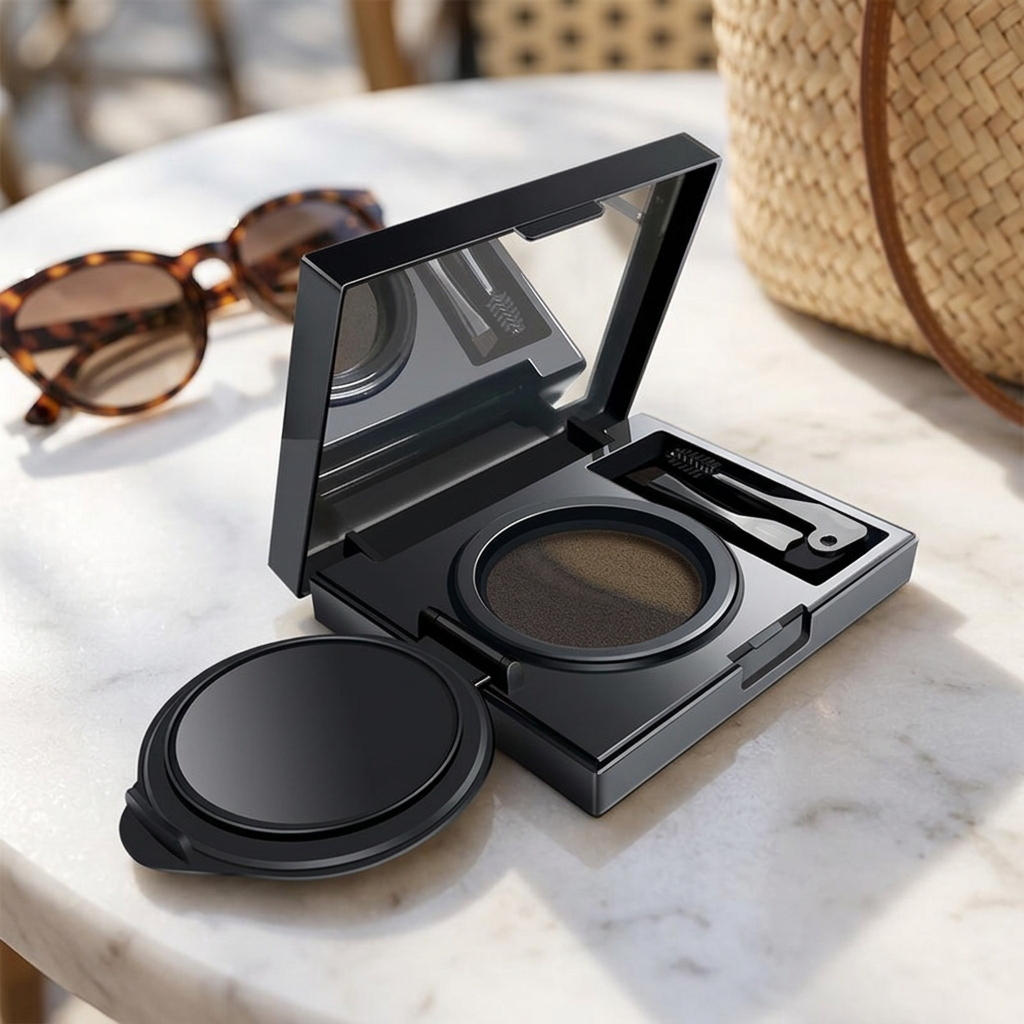
Eyebrow cream with brush pairs a creamy color formula with an applicator built helping distribute product along the brows evenly. This format supports controlled application and makes it genuinely easier filling sparse areas, defining the brow shape, and adjusting color intensity as needed. For people with oily skin, the real question is how the formula behaves after application and whether it actually fits their daily makeup habits.
Summer conditions shift makeup in several directions at once. Perspiration tends showing up around the forehead and temples, while natural facial oil accumulates near the brows and along the hairline over the course of a day. These changes affect the appearance of brow cosmetics, especially once the product goes on too heavily or the skin hasn't been prepped properly beforehand.
Humidity also makes the face feel less comfortable sitting under makeup for hours. Some people notice their brow area turning shiny as the day goes on, while others find color transfers the moment they touch or wipe their forehead. The actual result comes down to skin type, activity level, skincare products already on the face, and the makeup formula's own characteristics.
A brow product built for warm weather should get considered as part of a complete routine rather than treated as a fix for every summer makeup concern on its own.
| Summer Condition | Possible Effect on Brow Makeup | Practical Consideration |
|---|---|---|
| Perspiration | Color may become uneven if rubbed | Blot moisture gently |
| Excess facial oil | The brow area may appear shiny | Prepare the skin before application |
| High humidity | Makeup may feel less comfortable | Avoid unnecessary product layers |
| Outdoor activities | Frequent touching may disturb color | Check the brows without rubbing |
| Changing environments | Appearance may vary with lighting | Review the color in natural light |
Understanding these conditions helps users make genuinely more informed product choices. It also explains why application technique matters just as much as the formula sitting in the tube.
A creamy brow product offers a different feel entirely from a traditional pencil or loose powder. Its texture helps color cling to the brow area during application, while the brush lets the user place product exactly where more definition is needed. The actual result still comes down to the formula, the brush shape, and how much product goes on.
This format proves useful once brows carry small gaps or areas where natural hairs look thinner than the rest. Rather than coating the entire brow in color, users can focus on selected sections and build the desired look gradually from there. A light hand helps preserve a finish that still reads as natural rather than painted on.
The brush also gives users a way working with the direction brow hairs actually grow. Short, careful strokes fill spaces without creating one solid block of color across the brow. For people who want defined brows without their makeup looking heavy, this approach leaves room for real adjustment along the way.
A brush still doesn't automatically make a product resistant to sweat or oil, though. Those properties come down to the formula itself and however it's been tested to perform. Users should check product descriptions and wear guidance rather than assuming every cream-based brow product behaves identically on the skin.
People with oily skin tend paying close attention to texture when picking out makeup. A product feeling comfortable right at application can look quite different once natural oil develops across the face hours later. That doesn't mean every cream formula is unsuitable, though — it just makes formula selection and application technique matter genuinely more.
Some brow creams set after application, while others stay more flexible on the skin. These differences shape how the color looks and how it responds to touching or rubbing throughout the day. A formula staying workable longer allows easier adjustment, whereas one setting quickly asks the user blending and shaping the brows without much delay.
The product's finish matters here too. A very shiny appearance might not match someone's preferred makeup style, while a softer finish blends more naturally with surrounding skin and brow hairs alike. Neither finish guarantees a particular level of wear on its own, so the intended result and the product's stated features should guide the final choice.
People with oily skin can weigh a few practical points: choosing a formula matching their preferred finish, applying a small amount and adding more only where it's genuinely needed, avoiding unnecessary skincare residue sitting around the brows, letting the product settle according to its instructions, and watching how the color behaves during ordinary daily activities.
These habits help users judge whether a brow cream actually fits their skin and routine. They also cut down on the temptation piling on extra product trying to compensate for a result that better preparation could've handled instead.
The applicator shapes how easily a brow product can be controlled in the first place. A brush fitting the brow shape lets the user place color along narrow areas without it spreading too far onto surrounding skin — especially helpful when makeup needs looking neat through warm weather.
Brush design varies plenty between products on the shelf. Some applicators suit precise placement, while others cover a broader area or help soften the color once it's already applied. Users should consider whether the brush gives enough control for their preferred brow shape and however dense their natural hairs happen to be.
The amount of product sitting on the brush makes a real difference too. A heavily loaded applicator deposits more color than necessary, leaving the brow looking darker or thicker than intended. Wiping excess product off before touching the brows makes the whole application genuinely easier managing.
| Application Step | Purpose | Helpful Habit |
|---|---|---|
| Load the brush | Pick up the product | Begin with a small amount |
| Define the outline | Establish the intended shape | Use light, controlled movements |
| Fill sparse areas | Add color where needed | Follow the natural hair direction |
| Soften visible edges | Reduce an overly sharp appearance | Blend gently when the formula allows |
| Review the result | Check balance and coverage | Look at the brows in natural light |
The brush itself needs keeping clean too. Residue from earlier applications can affect how the product spreads and leaves unwanted buildup around the brow hairs over time. Regular cleaning following the applicator's care instructions helps maintain a genuinely more consistent application experience each time it's used.
Heavy brow makeup isn't always caused by picking a dark shade. It can also come from applying too much product, drawing a line thicker than intended, or filling every space without considering the brow's natural pattern underneath. Summer lighting tends making these details far more noticeable, particularly once the face turns shiny as the day goes on.
A gradual approach gives far more flexibility here. Users can start by defining the areas needing extra color, then review the shape before adding anything more. This avoids treating the entire brow as though every section demands the same level of coverage across the board.
The front of the brow often benefits from a softer touch, while the arch and tail may need more visible definition depending on someone's natural shape. Using the brush varying the amount of color across these areas helps create a result that reads balanced rather than uniform.
Several common habits make the process genuinely easier: brushing the brow hairs into their natural direction before applying color, starting with areas where gaps show up most, keeping that initial layer light and building coverage gradually from there, checking both brows together rather than judging each one in isolation, and removing excess product before it dries if the formula allows for that kind of correction.
These steps help with everyday makeup just as much as summer routines specifically. They give users real control over the shape without leaning on a thick layer of product trying to create definition that lighter application could've achieved instead.
Makeup application genuinely starts before the cosmetic ever touches the skin. Skincare residue, sunscreen, moisturizer, and natural oil all shape the surface sitting around the brows beforehand. Once several products remain layered on the skin, the brow area can feel slippery or look shiny before the makeup routine's even finished.
This matters a great deal in summer, when people often reach for additional skincare or sun protection throughout the day. These products remain important parts of daily care, sure, but they need settling according to their own instructions before brow makeup goes on top. If the brow area feels excessively greasy, gently blotting the surface can help without resorting to harsh cleansing.
Users should avoid scrubbing the skin aggressively trying to strip away every trace of oil. Natural skin oil is part of how skin normally functions, and overly strong cleansing can leave the area feeling genuinely uncomfortable afterward. A balanced preparation routine proves easier maintaining than repeated attempts making the skin completely oil-free.
For a more orderly application, users can follow a straightforward preparation process running through cleaning the face with a suitable cleanser, applying skincare and sun protection as needed, letting those products settle before starting makeup, gently blotting excess oil around the brow area when necessary, and applying the brow product to prepared skin using its recommended method.
The purpose here is creating a suitable surface for makeup rather than eliminating every trace of moisture or oil entirely. This approach also helps users understand whether changes in wear trace back to the formula, the preparation routine, or just their daily environment shifting around them.
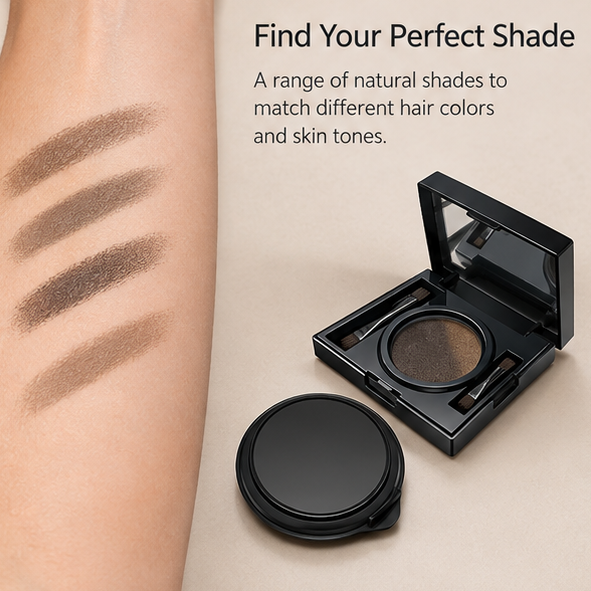
Shade selection shapes how brow makeup fits into the rest of the face. A color looking natural indoors can read stronger under direct sunlight, while a shade running too light provides less definition than the user actually expects once outside. Checking the color under different lighting conditions cuts down on these surprises later in the day.
Natural hair color offers a useful starting point, though it doesn't have to decide the choice entirely on its own. Hair undertones, skin tone, brow density, and personal makeup preferences all shape the final result together. Someone leaning toward a soft everyday look might pick a shade blending closely with the natural brows, while a more defined style calls for a different level of contrast instead.
The formula's appearance once it's set should get weighed too. Some products look more intense after they've dried or settled into the brow hairs fully. Testing a small amount and reviewing the result before adding more helps users genuinely understand the product's actual color.
| Brow Preference | Shade Consideration |
|---|---|
| Soft everyday definition | Look for a shade that blends with natural brow color |
| More visible shaping | Consider how much contrast suits the overall makeup |
| Sparse brow areas | Check whether the color fills gaps without looking too dark |
| Light summer makeup | Choose a finish and shade that remain balanced with the rest of the face |
| Evening makeup | Consider how the shade appears under indoor lighting |
Shade choice stays personal through all of this. The goal is creating a result suiting the user's own features and preferred makeup style rather than following one rule meant for everyone equally.
Summer schedules often pack in commuting, outdoor meals, exercise, travel, and social plans one after another. These situations make a complicated makeup routine genuinely less convenient, particularly once someone has limited time for touch-ups between activities. A product combining color and an applicator in one format can simplify the whole process of defining the brows on busy days.
Convenience doesn't necessarily mean the makeup stays unchanged through every activity, though. Heat, perspiration, skin oil, friction, and the specific formula all shape wear throughout the day. Users expecting long stretches outdoors should check whether the product's stated wear characteristics actually match their intended use.
A practical routine also cuts down on needing frequent corrections throughout the day. Applying a controlled amount, letting the formula settle, and avoiding unnecessary touching all help preserve the brows' appearance longer. If a touch-up becomes necessary, gently clearing excess oil before adding color helps prevent layers from building up over time.
For travel or daily carrying, packaging and applicator protection matter too. A secure lid helps prevent the product from leaking or the brush picking up contamination from other items sitting in a bag. Users should follow whatever storage and hygiene instructions came packaged with the product.
Different brow products suit different application habits from person to person. A pencil offers a familiar way drawing fine marks and defining the outline, while powder delivers a softer effect once applied with a suitable brush. A cream product offers yet another route placing and building color across the brows.
The right choice comes down to desired finish, ease of handling, natural brow density, and comfort with the applicator itself. Someone who prefers detailed strokes might find a pencil easier managing, while a user wanting to fill several sparse areas might prefer a cream formula paired with a brush instead. Powder tends appealing to people favoring a softer appearance and gradual blending.
| Product Type | Application Characteristic | Consideration for Oily Skin |
|---|---|---|
| Brow pencil | Allows line-based definition | Check how the formula wears on the skin |
| Brow powder | Can create a soft, diffused finish | Consider whether the color stays in place during daily activity |
| Brow cream with brush | Supports targeted placement and adjustable coverage | Review the formula's setting and wear properties |
| Tinted brow gel | Adds color while coating brow hairs | Check whether the finish matches the preferred look |
No single product format suits every user walking through the door. Comparing texture, application method, and stated wear characteristics helps people select a product fitting their actual routine instead of choosing based on texture alone.
Product selection gets genuinely easier once buyers know which features actually matter to them personally. A summer makeup product should fit the user's preferred finish and application habits, while people with oily skin may want paying closer attention to how the formula sets and responds to daily wear. Product descriptions offer useful information here, though individual results still vary from face to face.
Buyers can review a handful of details before committing to a purchase: the formula description, checking whether the product sets after application and what wear claims come attached; the applicator design, considering whether the brush allows precise placement and comfortable handling; the shade range, looking for a color suiting the natural brows and preferred makeup style; removal instructions, confirming how the product should come off at day's end; storage guidance, checking how the product and brush should get kept between uses; and skin compatibility, reviewing ingredient information and any relevant product warnings attached.
These details prove useful for retailers and cosmetic suppliers too when presenting brow products to customers browsing the shelves. Clear descriptions of formula, applicator, shade, and intended use help shoppers compare options without leaning on broad claims about summer performance that may not hold true for every face.
For users choosing eyebrow cream with brush, the practical decision comes down to how comfortably the product applies, how naturally the color fits the brows, and whether its stated wear characteristics actually suit warm-weather conditions and oily skin together.
Your email address will not be published. Required fields are marked *