English
 Español
 Deutsch
Industry News

(86-579)8507 2566
Welcome to Zhejiang Weiya Cosmetics Co., Ltd.





Welcome to Zhejiang Weiya Cosmetics Co., Ltd.
Oct 15, 2026
Eyebrows take up a small patch of real estate on the face, yet their color shapes the overall balance of a makeup look far more than that size suggests. A shade blending naturally with hair and skin lets the brows read as defined without pulling focus away from everything else. Once the color turns too dark, too warm, or too far off from the natural brow tone, the result can look harsh or patchy, even when the rest of the makeup went on with real care.
Brow cream usually gets reached for filling sparse areas, defining the brow's shape, and building a fuller look overall. Its creamy texture lets color spread across hairs and skin alike, which is exactly why shade selection carries so much weight here. A color that looks right sitting in its container can turn out looking quite different once it's actually applied and blended into the brow.
An eyebrow cream with brush hands users real control over where the product lands, but no applicator fully makes up for a shade that's simply wrong for the face. Understanding how color, texture, application, and natural brow features all work together helps makeup users dodge a messy outcome and land on something genuinely balanced instead.
The wrong brow cream shade can leave eyebrows looking disconnected from the rest of the face entirely. Go much darker than the natural brow hairs, and the result creates a strong outline pulling attention away from the eyes and other features that should be doing the work instead.
A shade running too light creates a different kind of problem altogether. The brows can look faded, especially against dark natural hairs or alongside makeup carrying a defined finish elsewhere. The result ends up looking uneven, since the brows aren't providing the visual structure a viewer's eye expects to find there.
Color differences also grow more noticeable once the product goes on unevenly. A shade running slightly too warm can look stronger near the tail, while a cool-toned formula can cast a gray tone against warmer hair underneath. These effects shift depending on someone's natural coloring, the lighting around them, and how much product actually went on.
The goal here isn't making every eyebrow look identical to some template. A suitable shade should work with a person's natural features and preferred makeup style, letting the brows read as intentional rather than feeling separate from everything else on the face.
Natural brow hair gives a genuinely useful reference point when picking a cream shade. The goal isn't always finding an exact match pixel for pixel — it's choosing a color that complements the hair and holds a consistent look across the whole face.
Hair color carries different undertones hiding beneath the surface. Brown hair runs warm, neutral, or cool depending on the strand, while black hair can read softer or more intense depending entirely on the lighting around it. Blonde and gray hair vary in tone too, so picking a shade off the broad hair category alone often misses the mark.
The skin surrounding the brows shapes how the product reads as well. A shade balanced against the hair can turn too warm or too cool once it actually sits on skin. Testing the color under natural-looking light helps surface these differences before the product goes across the full brow.
| Natural Brow Appearance | Shade Consideration |
|---|---|
| Dark brown hair | Look for a shade that adds definition without creating an overly solid block of color |
| Black hair | Consider softer dark tones when a less intense finish is preferred |
| Light brown hair | Choose a color that adds shape without making the brows look too heavy |
| Blonde hair | Avoid shades that create a sharp contrast with the natural brow hairs |
| Gray or silver hair | Consider whether a neutral or cooler shade blends more naturally |
| Mixed or dyed hair color | Assess the brow hairs separately from the hair on the head |
These work as general starting points rather than fixed rules carved in stone. Personal preference, natural brow density, and the desired makeup style all shape which shade ends up feeling right for a given face.
A shade running too dark can leave eyebrows looking heavier than intended. This shows up most clearly once the cream fills the spaces between individual hairs, creating one continuous layer of color rather than letting the natural texture stay visible underneath.
Dark brow cream can also make the front of the eyebrows look overly defined. The area near the nose usually benefits from a softer touch, while the tail can generally support more visible shaping without looking out of place. Applying the same amount of dark product across the entire brow risks creating a block-like look that reads flat.
The issue isn't that dark shades are unsuitable across the board. Darker cream works perfectly well when it complements the natural brow color and goes on with care. Trouble shows up once shade, amount, and placement combine creating more contrast than the user actually wanted.
Cutting this risk down means starting with a small amount of product and building color gradually from there. Brushing through the hairs softens concentrated spots, while a clean brush or spoolie helps clear excess product before it settles into something heavy-looking.
A brow cream running too light can fail defining the brow shape with any real clarity. The product blends straight into surrounding skin, letting sparse areas stay visible or leaving the brows looking disconnected from the rest of the makeup around them.
That doesn't mean light shades are unsuitable for everyone, though. A softer color creates a genuinely natural effect for people with light brow hairs, or anyone leaning toward subtler makeup overall. It also works well when the goal is just making brows look groomed without piling on strong definition.
What matters is weighing the difference between the cream, the natural hairs, and the skin sitting beneath them. If the product barely shifts the brows' appearance at all, a slightly deeper shade often delivers more visible definition without tipping into looking harsh.
Users should also avoid trusting the shade shown on product packaging alone. The pigment visible inside the container doesn't always reflect how the color actually looks once it's spread across brow hairs and blended into skin.
Brow products carry warm, cool, or more neutral color qualities depending on the formula. Warm shades often lean reddish or golden, while cooler shades read ashier or more gray. Neutral shades sit between these two poles and tend blending with a wider range of natural coloring, though suitability still comes down to the individual face.
Once the undertone misses the mark, brows can end up looking slightly off from the surrounding hair and makeup around them. A reddish brown can look too warm against naturally cool-toned brows, while a grayish shade can look dull against warmer hair underneath.
These differences stay subtle when the product goes on sparingly. They grow easier to spot once the cream gets applied heavily or the brow outline turns sharply defined.
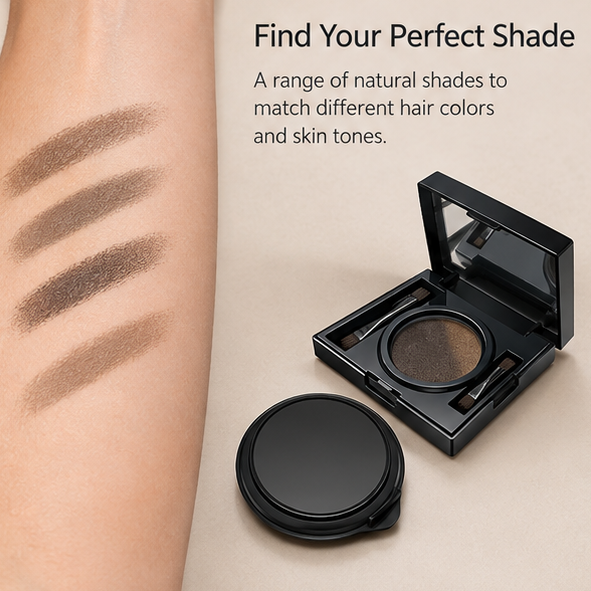
A practical way comparing shades involves applying a small amount near the brow area and checking how it sits beside the natural hairs. The color deserves judging after blending, since an unblended swatch often looks more intense than the finished result actually turns out.
An eyebrow cream with brush helps users apply product with real intention behind each stroke. The brush lets someone place color in selected areas instead of spreading it across the entire brow without any real distinction between sections.
This proves useful once different parts of the brow call for different levels of definition. The tail often needs a touch more color, while the front can stay softer preserving a natural transition into the rest of the face. A narrow brush shapes the outline, while light brushing motions distribute color through the hairs evenly.
The amount the brush picks up matters just as much as the shade itself here. Too much cream creates thick marks, uneven patches, or visible edges that leave the makeup looking messy overall. Wiping excess product off the brush before application makes the color genuinely easier to control.
A simple routine supports more consistent results: comb the brow hairs into their natural direction first, pick up a small amount of cream with the brush, apply color to sparse areas before adding definition elsewhere, use lighter pressure near the front of the brows, and blend visible edges while checking both brows under suitable lighting.
The brush itself needs cleaning according to the product's care instructions too. Clearing out leftover cream stops old color from mixing with a new shade and keeps the applicator easier to control going forward.
Even a genuinely suitable shade can look too dark or uneven once too much product goes on. Cream formulas deposit color across both hairs and skin at once, so a heavy layer can hide the natural variation that makes eyebrows read as realistic in the first place.
The amount actually needed depends on the formula and the brow's own density. Sparse brows often call for more attention to individual spots, while naturally full brows may only need a touch of product near the tail or along the outline.
Applying cream gradually makes judging the result far easier along the way. Users can stop once the brows look defined enough, rather than piling on color until every area reads equally dark across the board.
Blending shapes the final appearance too. If edges stay sharp while the center looks heavily filled, the brows can start looking drawn on rather than naturally shaped. A clean spoolie or suitable brush softens that transition and clears excess color without disturbing the whole brow.
The same cream shade can read quite differently depending on the shape and density of the eyebrows wearing it. A thick brow holds more visible hair and distributes the product differently than a thin brow carrying larger patches of exposed skin underneath.
A strong shade on a full brow can make the entire area look dense and heavy. On a sparse brow, that same shade can emphasize individual marks and make gaps stand out more if the product isn't blended with real care.
The brow's outline shapes how color reads too. A sharply drawn lower edge makes the shade look more intense, while a softer outline helps it blend into surrounding skin instead. The shape should reflect the natural brow structure rather than forcing both eyebrows into one identical pattern regardless of how they actually grow.
Shade selection and application technique deserve weighing together for this reason. Picking a suitable color matters plenty, sure, but how that color gets distributed often decides whether the final result actually looks balanced.
Beginners often find brow color genuinely tricky judging, since the product looks different sitting in its container, loaded on the applicator, and after it's actually blended into skin. It's tempting picking a shade off the name or packaging alone, but these details rarely show how the cream will actually look on an individual's own brows.
Starting with a shade sitting close to the natural brow color makes the whole learning process easier to manage. A subtle difference is generally simpler handling than a strong contrast, especially while someone's still figuring out how much product actually belongs on the brush.
Testing a small amount before committing to both brows also heads off unnecessary corrections down the line. The user can watch the color under different lighting and decide whether it reads too warm, too cool, too dark, or too faint for their face.
Beginners should also think through how much definition they actually want from the look. A soft daily routine might call for only light filling, while a more structured makeup style calls for a clearer outline instead. The shade should support that preference without making the brows compete with everything else happening on the face.
Lighting shifts how a brow shade actually reads on the face. A color looking balanced in a store or under indoor lighting can turn warmer, darker, or far more noticeable once someone steps into daylight instead.
This often pushes users toward applying too much product trying to correct a color difference that's partly just the environment playing tricks. The brows can then end up looking overly defined once that person moves into a different setting entirely.
Checking makeup under more than one lighting condition helps reveal whether the shade and application are actually working. Natural-looking light proves useful assessing color honestly, while ordinary indoor lighting shows how the brows fit into a typical daily routine.
Mirrors and camera screens can shift the apparent contrast between brows and surrounding skin too. Rather than repeatedly piling on cream correcting every visual difference that pops up, users should check the overall look from a normal viewing distance and make small adjustments only where they're genuinely needed.
Once brow cream looks too dark, adding more product rarely helps the situation. The better move involves clearing excess color and softening the spots where pigment looks concentrated instead.
A clean spoolie helps distribute the product through the hairs evenly. Gentle brushing can cut down the appearance of solid patches, especially near the front of the brows where softness usually reads better. If the color stays too intense, a suitable makeup remover can get used carefully following its instructions, taking care avoiding irritation to the surrounding skin.
Users should steer clear of rubbing the brow area aggressively. Repeated friction can disturb the skin and pull out natural hairs, while rushed corrections risk creating uneven gaps that end up needing even more makeup covering them.
If the shade itself just isn't suitable, changing the application method only offers limited improvement at best. Trying a more compatible color on a later occasion often proves more practical than repeatedly fussing with a formula that keeps looking too dark no matter what.
Beauty retailers help customers make genuinely more informed choices by explaining how shade, texture, and application actually work together. Customers often assume a color matching the hair on their head will automatically suit their eyebrows too, even though natural brow hair frequently carries a different tone entirely.
Product information should describe the general color character and intended finish in plain, clear language. It can also spell out whether the product suits gradual filling, defined shaping, or pairing with a brush for more controlled application overall.
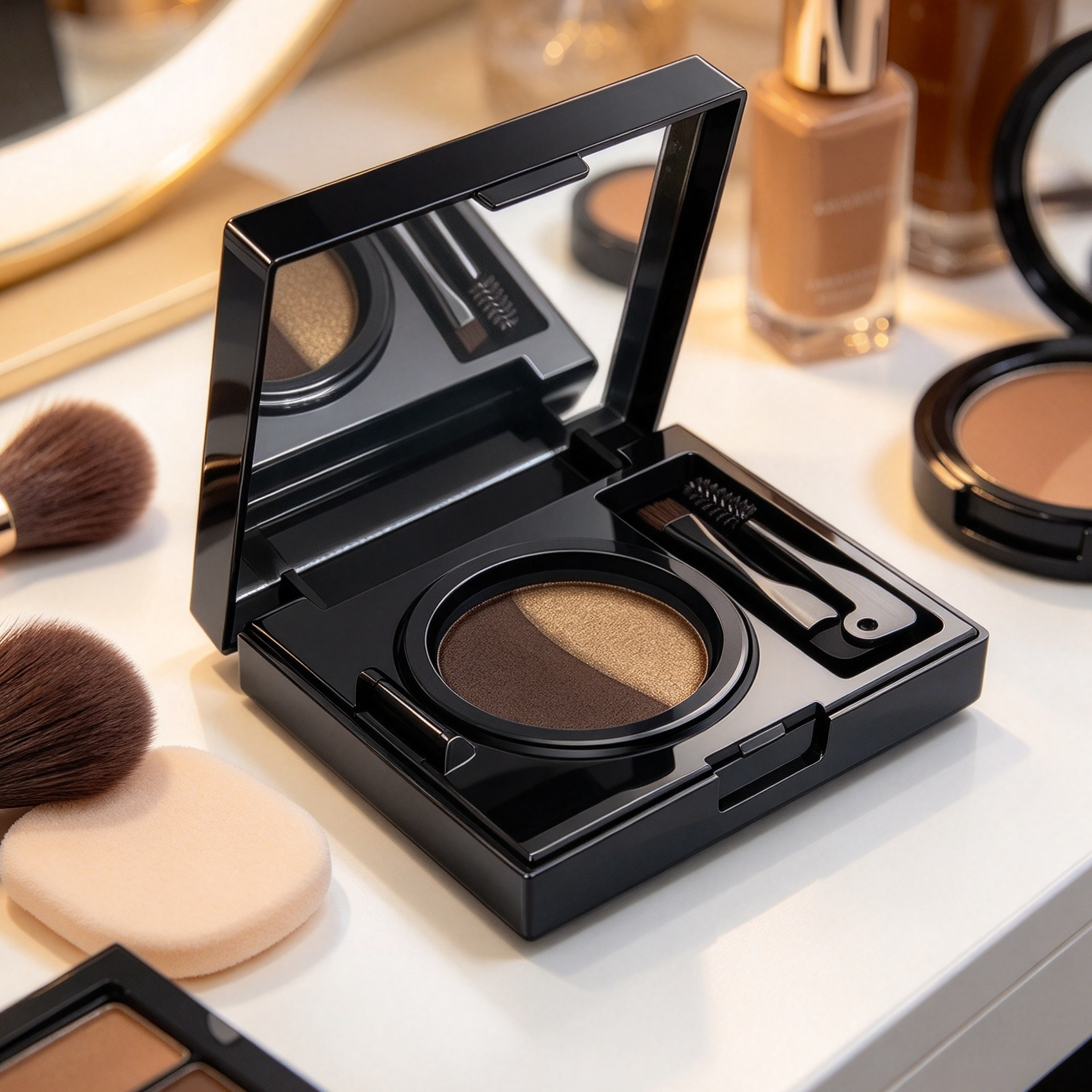
For an eyebrow cream with brush, retailers can clarify how the included tool supports product placement and blending in practice. Instructions should walk through applying a small amount, softening the front of the brows, and avoiding a thick layer that hides the natural hair pattern underneath.
Online product pages can also help shoppers compare shades through clear descriptions and suitable product images. Color examples should get presented as visual references rather than guarantees, since screens, lighting, skin tone, and natural brow color all shape the final result in ways a photo can't fully capture.
Clear product descriptions should focus squarely on the customer's actual concerns. Shoppers typically want knowing whether a shade will look natural, whether the formula blends easily, and whether the included brush can help fill sparse areas without creating a heavy outline across the brow.
Descriptions can explain the difference between warm, cool, and neutral color options without making unsupported claims about universal suitability for every face. They can also offer practical application guidance, covering how to build color gradually and adjust the amount of cream for different brow shapes along the way.
Shade names alone rarely give customers enough information comparing products side by side. Descriptions explaining the intended color character and finish offer genuinely more useful context, especially for online purchases where shoppers can't test the product directly before buying.
Product content should avoid promising one shade suits everyone, or that a particular formula prevents every makeup problem imaginable. Clear guidance around shade selection, application, and blending helps customers understand what the product can actually do and how to use it according to their own preferences.
Your email address will not be published. Required fields are marked *