English
 Español
 Deutsch
Industry News

(86-579)8507 2566
Welcome to Zhejiang Weiya Cosmetics Co., Ltd.





Welcome to Zhejiang Weiya Cosmetics Co., Ltd.
Sep 22, 2026
Eyebrow products are genuinely small, but their packaging can have a noticeable effect on how people actually interact with them each morning, much like a pen's grip matters just as much as the ink inside it. A tube, bottle, brush, or applicator needs to work together as one product system, rather than as separate pieces bolted on afterward. This becomes especially important once the product is designed for controlled placement around the eyebrow itself.
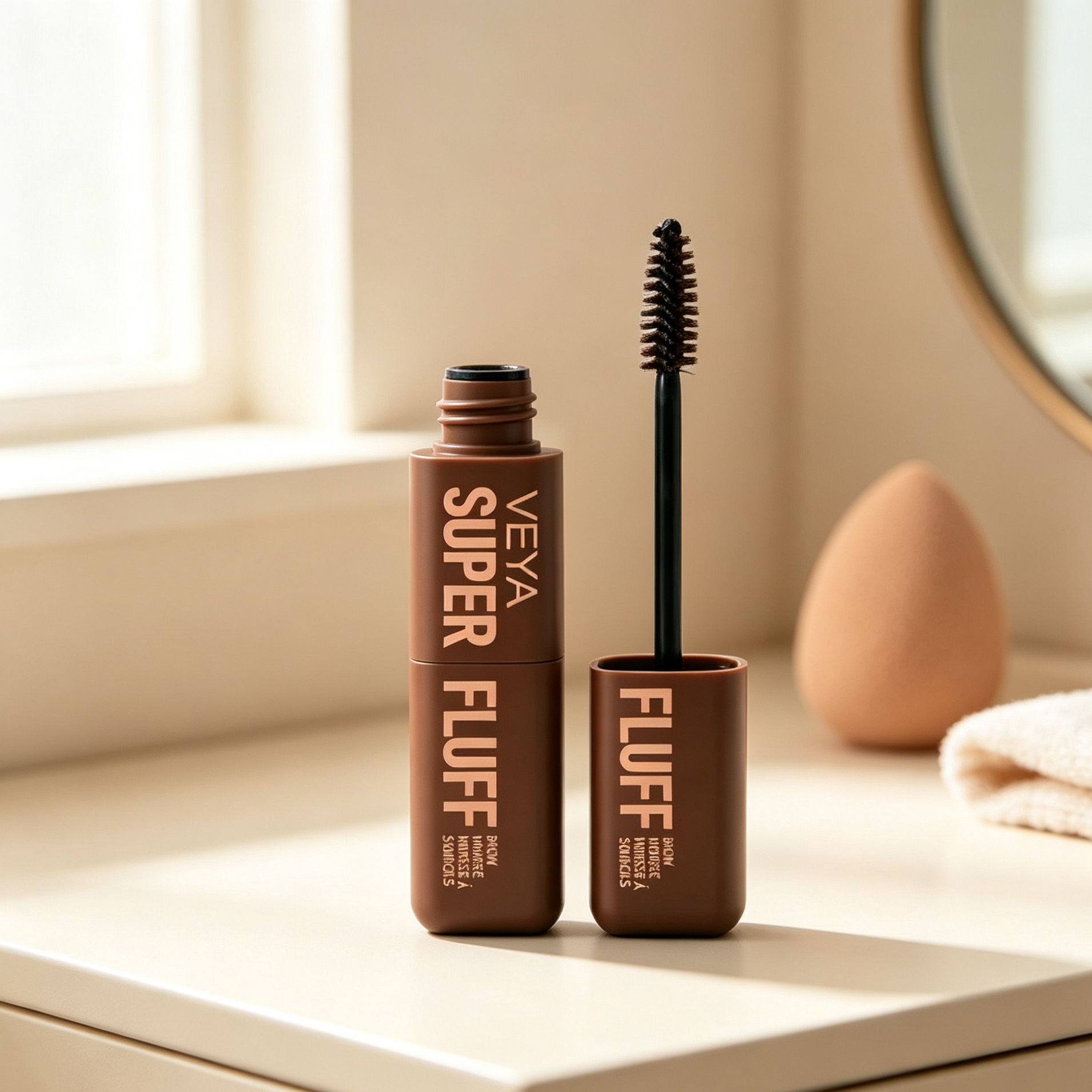
Eyebrow Dye Cream is one example where applicator design can genuinely influence the overall product experience. The cream itself is only part of the product story. Brush shape, product dispensing, grip, packaging structure, and storage all affect how easily users can control the amount and position of the product on their skin.
For manufacturers, this creates a genuinely product-design question, rather than a simple coloring question to solve. The applicator needs to suit the product texture, container, target area, and intended handling style all at once. When these elements get considered together, packaging can become part of the product concept itself.
Eyebrows are relatively small areas to work with, so users often need genuine control when handling a brow product close to the eye. A large or poorly matched applicator may make it genuinely harder to place the product exactly where intended, while a carefully designed applicator can make handling feel a lot more natural in the hand.
The relationship between the cream and the applicator also matters quite a bit here. The applicator needs to pick up an appropriate amount of product and release it in a genuinely manageable way, without dumping too much at once. Its shape should also give users enough control over direction and movement as they work.
| Applicator Feature | Design Consideration |
|---|---|
| Brush head | Should suit the size and shape of the brow area |
| Handle | Should provide comfortable control |
| Product pickup | Should support manageable dispensing |
| Brush flexibility | Should match the intended handling experience |
| Container opening | Should work with the applicator |
| Storage position | Should protect the applicator between uses |
These details show why an applicator shouldn't get treated as an accessory added on after the formula has already been developed. It's genuinely part of the product structure from the start.
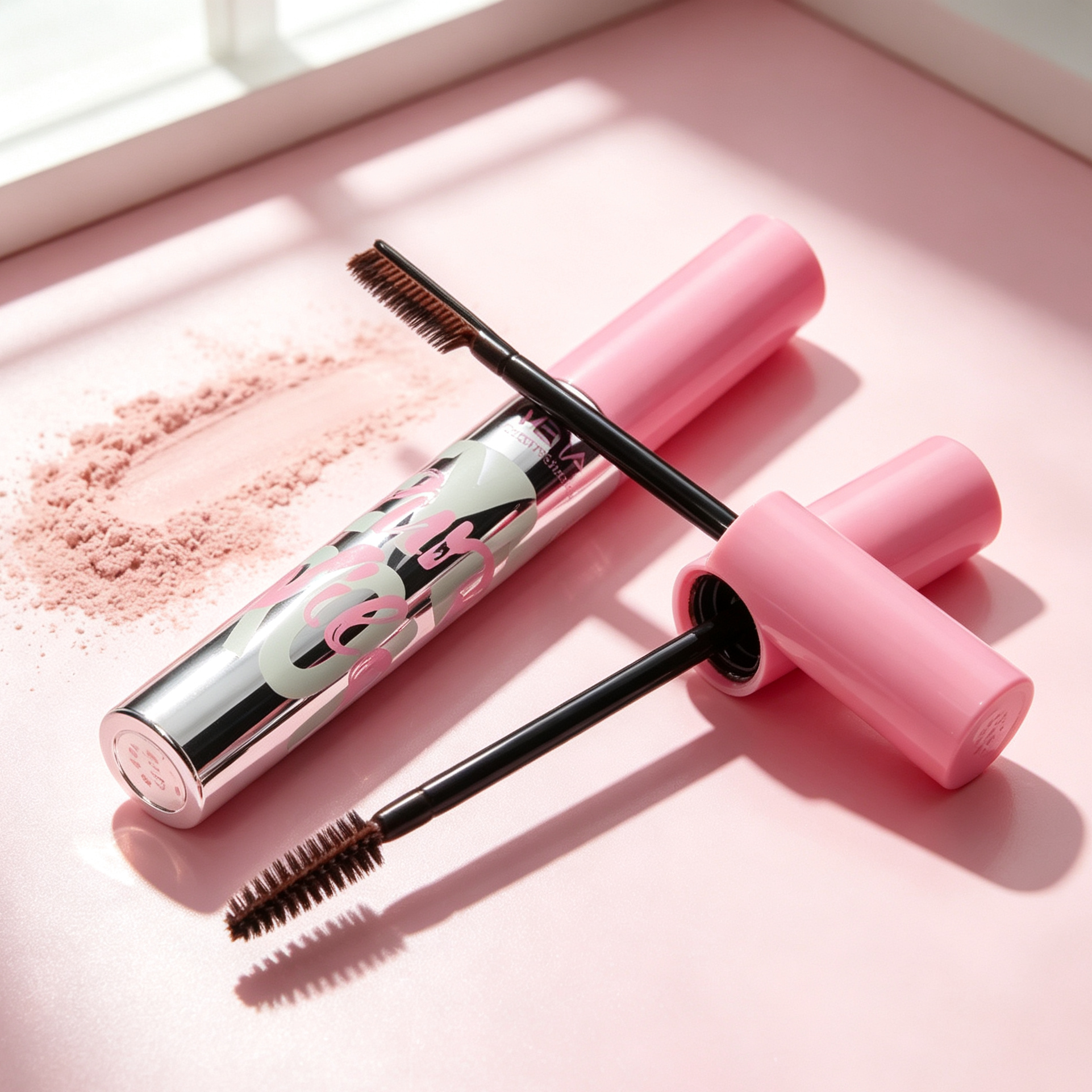
Brush shape affects how the product meets the eyebrow area during application. A narrow brush can offer a genuinely focused contact area, while a wider brush can cover more space with each stroke of the hand.
The shape can also influence how users hold and direct the applicator as they work. A flat brush may provide a genuinely different sense of control from a rounded brush sitting beside it on the shelf. An angled design can create another handling experience entirely, because the contact surface approaches the brow from a different direction than a straight brush would.
Manufacturers can therefore consider the intended product format before ever selecting a brush head for the line.
| Brush Shape | General Design Character |
|---|---|
| Narrow | Focused product placement |
| Flat | Defined contact surface |
| Angled | Directional control |
| Rounded | Softer contact area |
| Short head | Compact handling |
The goal isn't making the brush complicated for the sake of standing out. A simple shape can prove genuinely practical whenever it matches the product and container it's paired with.
For Eyebrow Dye Cream, brush design can also affect how easily users move from one section of the brow to another during a single application. This makes brush geometry genuinely part of the overall product experience, not an afterthought.
Brush head size can influence how much surface comes into contact with the eyebrow during application. A smaller head may allow users to work within a genuinely narrower area with more precision, while a larger head may cover a broader section in fewer strokes.
The appropriate size depends heavily on the intended product concept behind it. A product designed for detailed brow work may require a genuinely different brush from one designed around broader coverage instead.
This consideration also affects packaging directly. The brush needs to fit comfortably inside the container, without making the opening unnecessarily large just to accommodate it. A well-matched combination can help the product feel genuinely cohesive from tip to base.
The brush head, container opening, and cream dispensing path should therefore get considered together during development, rather than one at a time. Changing one part can genuinely affect the design of the others down the chain.
The amount of product picked up by the applicator can change how users handle the product once it's on the brush. Too much material sitting on the brush may make controlled placement genuinely more difficult to manage, while too little may require repeated product pickup mid-application.
This makes the connection between the container and brush particularly important to get right. The opening can influence how the brush enters and leaves the container each time it's used. An internal structure may also help remove excess product before the brush ever reaches the user's face.
| Dispensing Element | Design Role |
|---|---|
| Container opening | Controls brush entry and exit |
| Inner wiper | Can help manage excess product |
| Brush reservoir | Holds product before application |
| Bottle neck | Connects brush and container |
| Closure | Helps contain the product during storage |
The dispensing system should get designed around the characteristics of the cream itself, rather than a generic template. A thicker cream may interact with the brush quite differently from a lighter product sitting in a similar tube.
For this reason, applicator development should happen alongside product development, rather than as a separate packaging decision tacked on at the end.
Application control is genuinely different from the visual effect created by a brow product once it's on the skin. It concerns how easily users can direct, position, and manage the product while physically handling the applicator in hand.
A comfortable handle can help users maintain a genuinely steady grip throughout the process. A suitable brush head can make movement more predictable stroke after stroke. A controlled dispensing structure can reduce unnecessary product buildup on the brush before it even touches skin.
These elements work together as one system, not in isolation. A manufacturer developing Eyebrow Dye Cream may therefore evaluate the complete path from opening the container all the way to placing the brush back into its storage position when finished.
Useful design questions worth asking include whether the handle is easy to hold, and whether the brush moves naturally with the hand as it works. Checking whether the brush can pick up a manageable amount matters too, along with whether the container opening genuinely suits the brush shape. Confirming excess product can get controlled helps, and checking whether the closure keeps the applicator protected rounds out the review.
These questions focus on genuine product design, rather than simply describing what the cream does once applied.
The brush head receives most of the attention because it touches the product and brow area directly, but the handle also genuinely influences control throughout the process. Its length, shape, surface, and balance can change how the applicator feels in the hand from the first touch.
A handle that's too short may leave little room for comfortable movement during application. A handle that's too long may affect storage or packaging size in ways that create other problems down the line.
The shape also matters quite a bit whenever the product is used near a small area like the brow. Users often make genuinely small movements while applying, so the handle should allow those movements without requiring unnecessary adjustment mid-stroke.
Packaging designers can therefore treat the handle as genuinely part of the applicator, rather than as a separate component considered on its own.
| Handle Area | Product Design Question |
|---|---|
| Length | Does it provide suitable control? |
| Shape | Is it comfortable to hold? |
| Surface | Does it provide a stable grip? |
| Connection | Is the brush securely attached? |
| Storage | Does it fit the container properly? |
A consistent relationship between handle and brush can make the product feel genuinely easier to understand and handle for a first-time user.
A brush can't get considered separately from the container that stores it between uses. The opening needs to accommodate the brush while also helping keep the product genuinely contained inside.
The neck of the container can influence how the brush enters the package each time it's used. Its shape may also affect how excess product gets removed during withdrawal, which matters more than it might seem at first.
The closure has another genuine role to play here as well. Once the applicator gets returned to the container after use, the package needs to close securely and remain suitable for storage until the next application.
For Eyebrow Dye Cream, these packaging details can genuinely affect the overall handling experience from open to close. A useful design therefore considers container opening alongside brush size, along with neck structure and closure design working together. Internal product space matters too, and applicator storage position rounds out the picture.
The package should also remain genuinely visually coherent from the outside. A large brush placed in a very narrow package may create a mismatch between appearance and practical handling that users notice right away.
Packaging does genuinely more than simply hold the product inside it. It also helps users understand what the product actually is and how its components relate to one another at a glance.
For a brow product, the applicator can become part of that visual identity on the shelf. The brush shape, handle design, container form, and outer package can share a genuinely common design language running through the line.
This becomes particularly useful once manufacturers develop several products within the same range side by side. Waterproof Eyebrow Cream, for example, may share a similar container structure with Eyebrow Dye Cream, while using different applicator details to distinguish their intended product roles from one another.
The differences don't need to be dramatic to work. Small changes in brush shape, handle finish, or package layout can help users identify each product without much effort. This approach also makes it genuinely easier to create coordinated product families across a brand's whole lineup.
A Daily Makeup Set may contain several brow products with genuinely different functions packed into one case. Pencil, gel, cream, and tint products can each have their own applicators or application formats sitting side by side.
The challenge stays making the set feel genuinely coordinated, rather than crowded and mismatched. If a set contains Eyebrow Dye Cream, its applicator should have a genuinely clear place within the overall package layout. The product can get separated from items intended for regular brow shaping, whenever the two products have genuinely different roles to play.
The set can also use packaging itself to distinguish each component clearly.
| Set Component | Possible Design Focus |
|---|---|
| Brow pencil | Compact format |
| Brow gel | Small integrated brush |
| Waterproof Eyebrow Cream | Cream container and dedicated applicator |
| Eyebrow Dye Cream | Controlled brush and separate storage |
| Accessories | Organized internal placement |
This kind of coordination helps users understand the relationship between the products, without requiring every item to use the exact same package format.
An applicator needs a genuinely suitable place to sit whenever it's not being actively used. Storage affects hygiene, product protection, package size, and general convenience all at once.
A built-in brush can keep the product and applicator together in one piece throughout its life. A separate applicator can provide another genuine design option, particularly whenever the brush needs a shape that doesn't fit easily inside a narrow container.
Manufacturers can consider whether the brush should remain attached to the product or get stored separately within the package instead. Each approach creates genuinely different packaging requirements to work around.
| Storage Approach | Design Consideration |
|---|---|
| Integrated brush | Compact product arrangement |
| Separate brush | More flexible brush design |
| Internal holder | Keeps components organized |
| Protective cap | Helps shield the brush |
| Set compartment | Separates different applicators |
Storage should also make the product genuinely easy to recognize at a glance. Users should be able to understand exactly where the applicator belongs after each use.
Not every brow product needs the exact same type of applicator to work well. A pencil naturally has a genuinely different handling system from a cream or gel sitting nearby on the shelf.
This creates genuine opportunities for manufacturers to develop related products with different application structures across their line. Waterproof Eyebrow Cream may use a brush designed around controlled cream pickup specifically. A brow gel may use a brush that moves genuinely smoothly through brow hairs instead. A tint product may require another brush structure entirely, depending on its packaging and intended use case.
These differences can help create genuinely distinct product identities across a range. They also prevent manufacturers from treating one applicator design as suitable for every brow product on the shelf, which rarely works well in practice.
Product development can therefore consider the formula, package, brush, handle, and user routine as one genuinely connected group, rather than separate decisions made in isolation.
Applicator development genuinely benefits from practical evaluation before committing to a final design. A brush may look suitable during design review on paper but behave quite differently once it's combined with the actual container and product in hand.
Manufacturers can examine the complete product assembly as one system. Important areas include brush compatibility with the product texture, along with pickup behavior when the brush enters the container. Dispensing control when the brush gets removed matters too, along with handle comfort during normal handling over repeated use.
Container fit around the brush and handle deserves attention, as does closure coordination once the product gets returned to storage. Package arrangement matters as well whenever the product forms part of a larger set sold together.
This type of evaluation helps identify relationships between components that may not be genuinely obvious when each part gets reviewed separately on its own. The brush should also remain genuinely practical after repeated opening and closing over weeks of use. Its attachment, storage position, and relationship with the container all contribute to the final product experience.
Applicator design gives manufacturers another genuine way to differentiate related brow products across a line. Instead of relying only on the product formula itself, packaging and handling can reflect the intended role of each item on the shelf.
A pencil can focus purely on direct definition with a fine tip. A gel can use a brush suited to brow hair arrangement specifically. Eyebrow Dye Cream can use an applicator designed around controlled product pickup and placement for precision work. Waterproof Eyebrow Cream can have another structure entirely that matches its cream format instead.
A Daily Makeup Set can then bring these products together through coordinated packaging, without making every component identical to the next. The result is a genuine product system in which brush shape, dispensing structure, handle design, container opening, storage, and outer packaging all support the way the product actually gets presented and handled by the end user. This approach shifts applicator design from a small packaging detail into a genuinely meaningful part of brow product development overall.
Your email address will not be published. Required fields are marked *