English
 Español
 Deutsch
Industry News

(86-579)8507 2566
Welcome to Zhejiang Weiya Cosmetics Co., Ltd.





Welcome to Zhejiang Weiya Cosmetics Co., Ltd.
Aug 26, 2026
A lipstick shade can look polished before breakfast and uneven by lunchtime, even though the color has not changed. The difference often comes from the surface underneath: natural lip lines, dry patches, leftover balm, or moisture collecting near the inner lip.
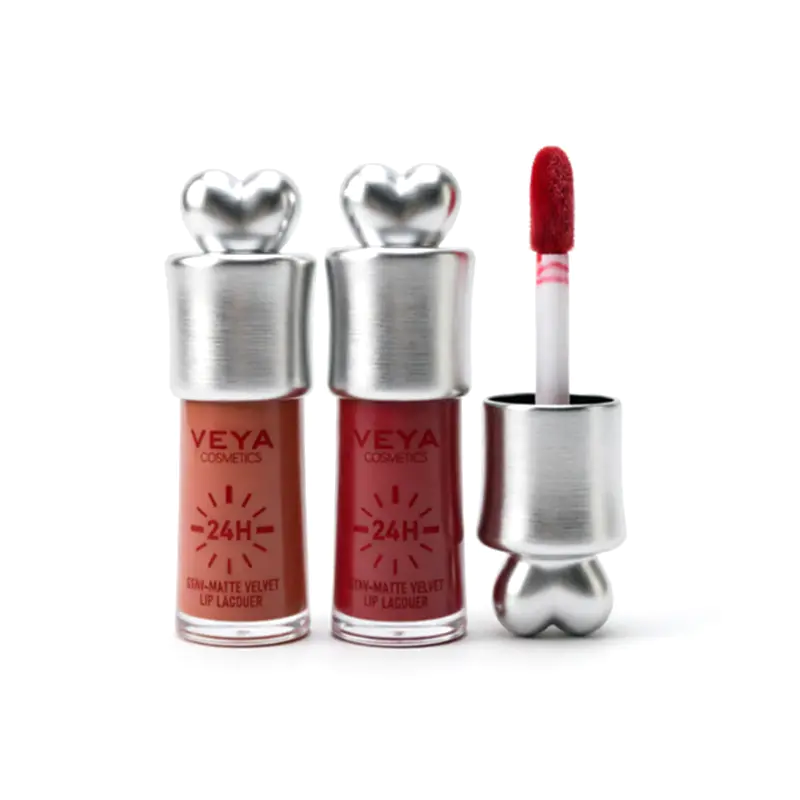
Product finish matters too. Velvet color diffuses light, satin creates a soft sheen, and gloss places visible highlights across the curves of the mouth. A stain behaves differently again because it follows the lip surface closely instead of covering it with a creamy layer.
Understanding these details makes lip makeup easier to manage in everyday life. Rather than blaming the shade or adding another coat, it helps to check the condition of the lips and see where the formula has collected.
Lips have lines, folds, curves, and areas that hold moisture differently. Lipstick is being applied to a flexible surface that moves whenever a person speaks, smiles, drinks, or eats.
A fluid product can travel into deeper lines, while a thicker lipstick may sit around dry skin. When pigment gathers unevenly, parts of the lips can look darker or more defined than nearby areas.
The center of the mouth often catches more light because of its curved shape. Corners usually receive less light and may show product buildup after talking or drinking from a cup.
Weather and indoor conditions also affect the result. Wind, air conditioning, heating, and changes in a skincare routine can leave the lips feeling different from one day to the next.
A quick check before applying makeup can reveal what the surface needs:
These conditions do not mean lipstick needs to be avoided. They simply call for a small adjustment in preparation, formula, or application.
The discussion around Velvet Vs Satin Lipstick usually concerns reflection and visual softness. Velvet has a diffused character, while satin catches more light and creates a gentle sheen.
Velvet lipstick can make a vivid color feel quieter on the face. It provides definition without the dry appearance sometimes associated with matte formulas or the wet effect created by gloss.
Satin lipstick has more visible light movement across the lips. The curved areas may appear smoother, although dry patches can still stand out when they reflect light differently from the surrounding surface.
Neither finish changes the natural condition of the lips. A velvet lipstick may settle around loose skin, and satin may reveal uneven hydration if preparation has been skipped.
Velvet lipstick suits makeup where the lips need soft definition without noticeable shine. It can pair naturally with understated eye makeup, softly blended cheeks, or a casual daytime style.
Application makes a visible difference. A light layer pressed into the lips often keeps the finish diffused, while repeated coats can build around lines and make the texture feel heavier.
For a blurred boundary, pigment can be placed in the center and tapped outward with a fingertip. A small brush works better when the outer shape needs to look clean while the surface remains soft.
Satin works well when someone wants color with a comfortable-looking sheen. It can suit office makeup, dinner plans, or days when matte lipstick feels too dry.
Direct application creates a richer layer near the center. Using a brush spreads the product more lightly and gives better control around the corners.
Satin can also be practical for lips with natural lines. The reflection may soften their appearance from normal viewing distance, although the product still needs an even base.
Matte lipstick reflects little light, so the surface underneath remains easy to see. Fine lines and loose skin may become more noticeable once an opaque layer of pigment dries across them.
Dry areas can hold more color than comfortable areas. After speaking or eating, small gaps may develop where the lips bend and press together.
Adding a heavy balm immediately before matte lipstick can create another problem. The balm may keep the pigment from attaching evenly, allowing it to move around the lip boundary.
A light lip-care product works better when it has time to settle. Blotting away slippery residue before applying color can help the lipstick stay in place without making the lips feel neglected.
Thin coats are easier to manage than one dense layer. They also make it simpler to correct a dry area without covering the whole mouth again.
A Plump and Shine Lip Gloss changes the appearance of the lips through reflection. Light catches the curved surface, creating visible highlights that can make the central area look fuller.
Placement controls the effect. Gloss spread across the entire mouth produces a uniform shine, while a small amount in the center creates a focused highlight.
The formula may move as the lips move. During conversation, gloss can collect near the corners or travel beyond the natural boundary, particularly when a thick layer has been applied.
Everyday application can remain simple:
Repeated rubbing can push gloss toward the edges and disturb the color underneath. Gentle pressing spreads the shine while keeping the base more intact.
Gloss may make fine lines less noticeable from some angles. Under direct light, however, uneven buildup can become visible, so controlled placement often gives a cleaner result.
A No-Transfer Lip Stain leaves pigment on the lip surface after the formula settles. Because stains usually form a light layer, they tend to follow natural lines and dry areas closely.
An uneven surface can change how the color develops. Dry patches may hold additional pigment, while areas covered with balm or facial oil may take on less color.
The lips should feel clean and comfortable before application. A heavy layer of skincare can interrupt contact between the stain and the skin, producing gaps or irregular edges.
For a soft gradient, color can be placed toward the inner lips and blended outward before it sets. For an even finish, a thin layer can be spread across the mouth with care around the boundary.
The stain should settle before balm or gloss is added. Pressing the lips together while the formula is wet may move pigment away from one area and deposit it elsewhere.
“No-transfer” does not mean the appearance will remain unchanged during every activity. Food oils, skincare, drinks, and lip movement can still affect wear, so the phrase should be understood as a product feature rather than an absolute promise.
Preparation should make the lips comfortable without leaving them slippery. Forceful scrubbing is not necessary and may leave the surface sensitive before makeup is applied.
Start by removing old cosmetics, food residue, and skincare from the lip boundary. A soft damp cloth can loosen visible flakes without rough rubbing.
Apply a light lip-care product and allow it to absorb. Before adding color, blot anything that still feels oily or sits visibly on the surface.
A practical routine includes:
Preparation can change with the formula. Matte lipstick generally needs balanced moisture with little residue, while gloss can sit comfortably over a slightly softer base.
The actual condition of the lips matters more than following a fixed ritual. On an ordinary morning, removing leftover skincare may be enough; on a dry day, the lips may need time with a conditioning product before makeup is applied.
When the skin is cracked, sore, or irritated, several layers of pigment may feel uncomfortable. A simple lip-care product may be a more practical choice until the surface settles.
The way a product is applied affects where it gathers. Repeatedly dragging a lipstick across dry areas can move loose skin and create patches of dense pigment.
Short strokes, light tapping, and gradual layering give more control. They also make it easier to see which areas need attention before too much product has been added.
Different tools suit different tasks:
Moving from the center toward the corners follows the shape of the mouth. It also reduces the chance of depositing a heavy layer around the outer boundary.
Check the result while the lips are relaxed. Makeup can appear smooth when the mouth is stretched but reveal gaps when the person smiles or begins speaking.
Small corrections are usually easier to control than another full coat. A brush can fill a narrow area, while a clean tissue can lift buildup without removing all the color.
Layering changes reflection and color depth, but each product also affects the movement of the layer underneath. Gloss can loosen lipstick, while balm may soften the boundary of a stain.
A velvet lipstick with gloss in the center creates a diffused outer area and a reflective inner area. This works well when the lip color needs dimension without shine around the whole mouth.
A satin lipstick can take a light gloss layer when additional luminosity suits the makeup. A stain can also provide background color before balm or gloss is applied for comfort.
Useful pairings include:
Give the base time to settle before adding another texture. Small amounts help preserve the contrast between finishes and reduce movement near the corners.
Layering may change wear during meals or conversation. Keeping a tissue and the finishing product nearby makes touch-ups more manageable without rebuilding the whole lip look.
A practical lip choice starts with how the lips feel that day. Dry, comfortable, oily, or uneven surfaces will respond differently to the same formula.
Velvet can suit a soft daytime look. Satin provides color with gentle reflection, while gloss adds a luminous detail that can work with fresh-looking skin and understated eye makeup.
Matte creates a defined shape but may require more preparation. A stain feels light and can work well when someone prefers color without a creamy cosmetic layer.
Daily habits matter too. Frequent conversation, meals, hot drinks, facial skincare, and time in air-conditioned rooms can change how a product wears.
Before applying lip color, consider a few ordinary questions:
Lip makeup tends to look more intentional when the finish works with the natural surface rather than fighting against it. Careful preparation and light layering can help No-Transfer Lip Stain, Velvet Vs Satin Lipstick, and Plump and Shine Lip Gloss create a balanced appearance that still feels practical during daily wear.
Your email address will not be published. Required fields are marked *