English
 Español
 Deutsch
Industry News

(86-579)8507 2566
Welcome to Zhejiang Weiya Cosmetics Co., Ltd.





Welcome to Zhejiang Weiya Cosmetics Co., Ltd.
Aug 25, 2026
Makeup shifts a lot once different products start layering on top of each other on the same skin. Foundation looks smooth first thing in the morning, then blush starts drifting as facial oil creeps in later. The blush itself isn't always the problem, though. Whatever's sitting underneath shapes how color spreads, settles, and actually stays put.
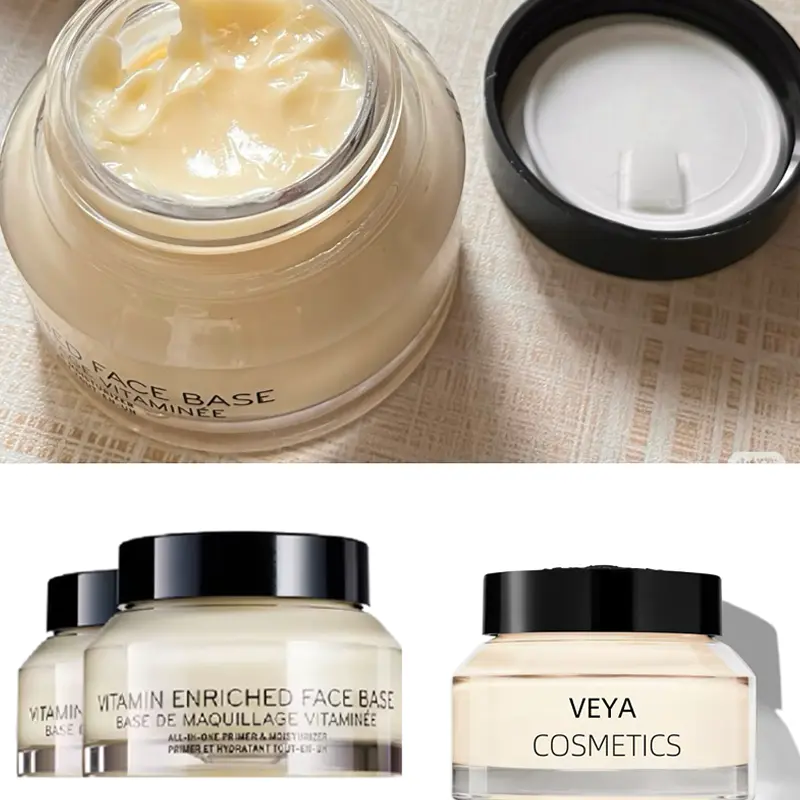
An Oil Control Face Primer fits right into that prep stage. Its job is building a more workable surface before foundation and cheek products go on. Get that base balanced, and liquid blush tends to spread more naturally instead of sliding around over patches with uneven oil levels.
Liquid blush brings its own application quirks too. Texture, pigment strength, how fast it dries — all of it shapes how the product plays with foundation underneath. Applicator choice matters just as much. A sponge and a wand produce pretty different results depending on how the product gets placed and blended out.
Skin's surface shapes how makeup actually behaves on top of it. Oilier patches feel slippery, drier ones tend to catch product or look patchy. That gap gets a lot more obvious once liquid cheek color enters the picture.
Primer helps even out that surface before the next layers go on. Rather than slathering it across the whole face, it usually makes more sense to focus on spots where oil tends to mess with makeup.
Foundation then sits as another buffer between skin and cheek color. The point isn't piling on a thick coating, though. A comfortable base just gives liquid blush an easier surface to work with.
A basic prep sequence might run something like this:
Each layer's doing its own job here. Pile on too much product at once, and blending just gets harder.
Facial oil changes makeup's texture as the day drags on. Once oil starts showing up underneath cheek color, the product moves around unevenly, sliding more in some spots than others.
An Oil Control Face Primer helps cut down that slipperiness before foundation even goes on. That, in turn, keeps foundation looking more consistent and gives blush a surface that behaves a lot more predictably.
Oil control doesn't mean stripping every bit of natural moisture off the skin, though. Makeup still needs a comfortable base underneath it. Go too dry, and that creates its own headache, since products get harder to blend across rough or tight patches.
Balance is really the whole game here. Primer's supposed to support the routine, not take it over.
| Base Condition | Possible Makeup Effect |
|---|---|
| Excess surface oil | Blush may move more easily |
| Dry patches | Color may catch unevenly |
| Balanced surface | Blending can feel more controlled |
| Heavy product layers | Makeup may look less natural |
How much primer and foundation actually goes on should track the skin's condition on any given day, not just follow some fixed routine every single time.
Liquid blush usually goes on after the base is already built. Its texture lets color spread across cheeks easily enough, but how it actually plays with foundation comes down to how much product's used and how fast it gets blended.
Rub blush on with heavy motions, and it disturbs whatever foundation's sitting underneath. Gentle pressing and controlled blending tend to work a lot better with liquid products.
Timing between layers matters too. Apply blush while foundation's still shifting around, and the two products end up mixing in ways nobody planned for.
A workable technique is placing a small amount on the cheek and blending outward from there. Add more later if it's needed. That approach hands the user a lot more control over how things turn out in the end.
The same logic applies with a Cheek Liquid Blush. Starting light lets the color settle in as part of the base, rather than sitting on top as its own separate, obvious layer.
A sponge earns its keep when the goal is soft, gradual blending. Its surface spreads liquid blush through gentle pressing rather than dragging product across the foundation underneath.
Technique matters just as much as the tool itself here. Pressing product into the cheek keeps the makeup structure underneath intact. Rub repeatedly, though, and foundation shifts, leaving visible patches behind.
A Liquid Blush Sponge also helps when someone wants to tone down a heavily pigmented cheek product. Instead of adding more product straight to the skin, the sponge just spreads the existing color out across a wider area.
| Sponge Technique | Purpose |
|---|---|
| Light pressing | Builds color gradually |
| Gentle tapping | Softens visible edges |
| Small repeated movements | Helps distribute color |
| Clean section of sponge | Supports more controlled blending |
The sponge itself needs to stay clean and cosmetic-grade. Old product buildup throws off how evenly it spreads liquid makeup later on.
A wand offers a completely different feel. It lets someone place product directly onto specific spots before any blending even starts.
That's handy when blush placement needs to be precise. A small dab goes on the cheek, then gets blended out with a sponge, brush, or fingertips, depending on how the rest of the routine's set up.
The real challenge is controlling how much product actually lands on the skin. Too much at once, and the color gets a lot harder to spread evenly afterward.
A Liquid Blush Wand, then, really shines when paired with deliberate, careful application. Rather than swiping a big streak across the cheek, small touches build the color up gradually, one step at a time.
This approach also opens up more room to experiment with placement. Product can sit closer to the center of the face, farther out toward the cheekbone, or blended outward however the desired look calls for.
Oily skin demands more thought about how skincare, primer, foundation, and blush all interact together. Piling on several oil-controlling products at once doesn't always end up feeling comfortable, either.
Prep should zero in on wherever oil tends to mess with makeup specifically. A light layer of primer works better applied selectively than smeared evenly across the whole face.
Foundation should also track the coverage someone actually wants. Thick layers just give later products more material to disturb. A smoother, more controlled base tends to make blush a lot easier to blend out.
When cheek color goes on, small amounts stay easier to manage. Place product where the color's wanted, blend with light movements, and build another layer later if more intensity's needed rather than going heavy right out of the gate.
For oily skin, a few habits worth keeping:
Habits like these keep makeup looking balanced without turning the whole routine into a chore.
Products don't work in isolation from each other. One layer's texture shapes how the next one behaves. A primer built for oil control feels nothing like a moisturizing base, and liquid blush reacts differently depending on which surface it's sitting on top of.
Compatibility, then, is worth thinking through when picking products. A base that dries fast demands quicker blending. A more flexible base buys extra working time before things set.
Applicators follow the same logic. A sponge softens and diffuses color, while a wand gives more direct, precise placement. Neither one has to work alone, either.
A workable pairing often means switching tools depending on the stage.
| Makeup Step | Possible Tool or Product Role |
|---|---|
| Skin preparation | Skincare suited to the user's skin |
| Base preparation | Oil Control Face Primer |
| Complexion | Foundation |
| Blush placement | Liquid Blush Wand |
| Blush blending | Makeup sponge |
| Final adjustment | Clean sponge or brush |
The whole point of pairing products isn't piling on extra steps. It's making each step easier to actually control.
Uneven cheek color usually traces back to technique, not the product itself. Too much blush leaves a strong patch that's genuinely hard to soften afterward. Wait too long before blending, and the product just gets harder to spread out evenly.
Another common slip is layering liquid blush over a base that's still actively moving around. Touch the sponge or fingers to foundation that hasn't settled yet, and both layers end up shifting together.
Rubbing causes a similar mess. Liquid products generally do better with controlled, gentle movements, especially once the base underneath's already been carefully blended into place.
The applicator's condition matters too. A sponge holding onto old product ends up absorbing or releasing the new blush unevenly.
A more controlled process really comes down to something simple: place a small amount, blend it, check how it looks, add more only if it's genuinely needed. That leaves room for adjustment without disturbing the whole cheek area at once.
The same idea applies when pairing a Cheek Liquid Blush with different foundation finishes. The goal is understanding how the products actually behave together, rather than assuming every combination works exactly the same way.
A smooth makeup routine really starts well before blush ever touches the cheek. Skin prep, product choice, how much pressure gets applied, and the order everything goes on in — all of it shapes the final look.
Oil control can stay concentrated right where it actually matters. Foundation can build an even base without piling on unnecessary product. Liquid blush then goes on in small amounts, blended with whatever tool suits the moment.
As the day goes on, natural facial oil tends to show up again regardless. Rather than reaching for more powder or piling on fresh makeup, it usually helps to just check the affected spot and make a small, targeted fix.
A clean sponge softens excess color nicely, and gentle pressing cuts down on the urge to drag product across skin that's already set. The goal is holding onto the makeup that's already there, not rebuilding it from scratch every few hours.
How an Oil Control Face Primer, foundation, liquid cheek color, and application tools all relate to each other really matters, then. Give each product a clear job to do, and the whole routine becomes a lot easier to adjust across different skin conditions and whatever the day actually throws at it.
Your email address will not be published. Required fields are marked *